
Trucking Schools Face Uphill Battle: New Trump Admin Rules Disrupt Student Pipeline

Immigrant-focused trucking schools are struggling as the Trump administration imposes strict new requirements, leading to staff cuts and program closures across the industry.
Vasyl Kushnir and Gene Moik, co-owners of the trucking school Start CDL, greet their students with a smile each morning, but behind the scenes, they face growing concerns about the future of their business. Since the Trump administration announced new restrictions on immigrant drivers, the school has experienced a significant drop in student enrollments, leaving Kushnir and Moik scrambling to keep their nearly decade-old enterprise afloat.
The new rules imposed by the administration have forced trucking schools across the country to cut staff and classes, with an estimated 7,000 training providers losing their accreditation. This sudden and dramatic shift in the industry has left many schools, like Start CDL, struggling to adapt and survive.
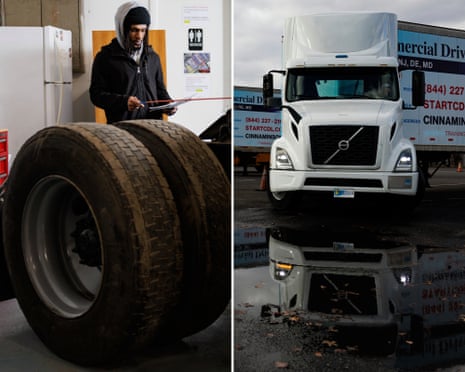
Kushnir and Moik are not alone in their plight. The trucking industry has long relied on immigrant labor, with many driving schools catering specifically to this demographic. However, the Trump administration's crackdown on immigration has had a ripple effect, making it increasingly difficult for these schools to maintain their operations.
The new restrictions, which include stricter English language requirements and more stringent documentation checks, have created significant barriers for aspiring immigrant truck drivers. As a result, the pipeline of students flowing into trucking schools has been severely disrupted, leaving many institutions facing an uncertain future.
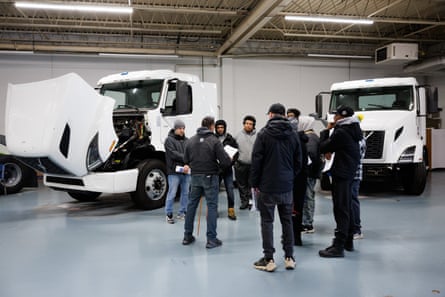
The impact of these changes is being felt across the industry. Kushnir and Moik have had to make difficult decisions, such as reducing staff and cutting back on class offerings, in an effort to keep their school afloat. They are not alone in this struggle, as other driving schools face similar challenges.
The trucking industry as a whole is bracing for the long-term implications of these policy shifts. With fewer new drivers entering the pipeline, the industry may face a widening labor shortage, further exacerbating the ongoing challenges faced by freight haulers and logistics companies.
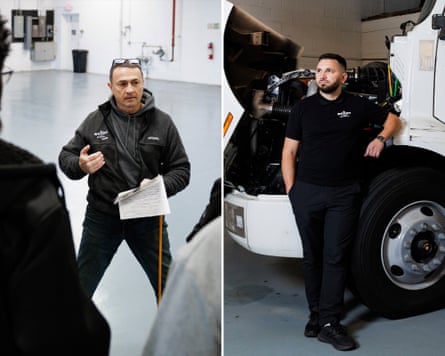
As Kushnir and Moik continue to navigate these turbulent waters, they are not without hope. They remain committed to their students and are exploring ways to adapt their curriculum and outreach to reach a broader audience. However, the future of their school, and others like it, remains uncertain as the industry grapples with the ripple effects of the Trump administration's actions.


