
Trump Administration Considers Relocating 1,100 Afghan Allies

Trump officials explore sending Afghans who aided US forces to Congo after ending resettlement initiative. Learn what this means for Afghan refugees.
The Trump administration is actively exploring a controversial proposal that would relocate approximately 1,100 Afghan nationals who provided critical assistance to United States military forces during the prolonged conflict in Afghanistan. According to reports confirmed by a humanitarian non-profit organization on Tuesday, these discussions represent a significant policy shift that has raised concerns among advocacy groups and international observers monitoring refugee resettlement practices.
The proposed relocation would direct these Afghan allies to the Democratic Republic of Congo (DRC), a Central African nation facing its own complex humanitarian challenges. This development comes in the wake of the Trump administration's decision to terminate an existing resettlement initiative that had previously enabled Afghan interpreters, translators, military advisors, and other support personnel to pursue permanent relocation to the United States. The timing of these discussions has sparked considerable debate about America's commitment to those who risked their lives supporting American military operations.
According to reporting by major news outlets, the Afghan refugee discussions were first brought to public attention through investigative journalism. The New York Times initially reported details of the administration's internal deliberations regarding alternative placement options for these individuals. The decision to halt the existing pathway for Afghan resettlement marks a dramatic reversal from previous administrative positions that acknowledged the moral and strategic obligations owed to Afghan nationals who collaborated with American forces.
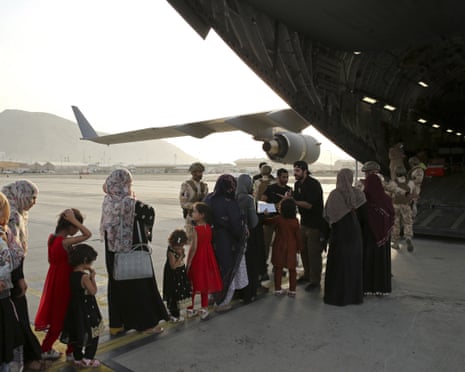
The context for this policy shift traces back to the chaotic American withdrawal from Afghanistan in 2021, which left thousands of Afghan nationals vulnerable to persecution from Taliban forces. Many of these individuals had worked directly with U.S. military units, intelligence agencies, and diplomatic personnel throughout the twenty-year conflict. Their service made them targets for retaliation once the Taliban regained control of the country, placing them in extreme danger and forcing many to seek refuge outside Afghanistan.
The Congo relocation proposal has triggered significant pushback from humanitarian organizations and refugee advocacy groups. These organizations argue that the Democratic Republic of Congo, which has struggled with political instability, limited infrastructure, and its own internal displacement crises, may not provide adequate protection or integration opportunities for Afghan nationals. The DRC has historically faced challenges in accommodating refugee populations due to resource constraints and ongoing security concerns in various regions.
Supporters of the Afghan allies have emphasized the profound debt of gratitude owed to those who took extraordinary risks supporting American military missions. These individuals served as interpreters, cultural advisors, logistics coordinators, and security personnel who facilitated communication and operational effectiveness for U.S. forces. Many of them developed deep professional relationships with American military members and understood the consequences they would face if discovered collaborating with foreign forces after the American departure.
The Trump administration's termination of the Afghan resettlement program represents a significant policy departure that reflects the administration's broader immigration stance. Officials have cited various reasons for the decision, including vetting procedures and integration concerns. However, critics contend that these justifications ignore the special circumstances and urgent security threats facing Afghan nationals who collaborated with American forces, particularly given the Taliban's documented history of targeting such individuals.
Prior administrations had established the Special Immigrant Visa (SIV) program and related initiatives specifically to provide pathways for Afghan and Iraqi nationals who had worked with U.S. forces. These programs acknowledged both moral obligations and practical security considerations, as failing to assist these individuals would undermine future recruitment of local partners in military operations. The reversal of these policies has prompted concerns about America's international reputation and its ability to secure cooperation from local populations in future conflicts.
The Democratic Republic of Congo, as a potential destination for these Afghan refugees, presents numerous challenges and questions about implementation logistics. The DRC's government would need to formally accept the proposed resettlement arrangement, and the actual mechanism for relocating and integrating over 1,100 Afghan nationals remains unclear. Questions persist regarding language support, employment opportunities, cultural integration, and long-term sustainability of such a resettlement initiative in a nation with its own acute humanitarian needs.
International responses to the proposal have been mixed, with some nations expressing concerns about whether such relocations burden countries least equipped to provide adequate support. Humanitarian organizations working in the DRC have raised practical questions about their capacity to assist with additional refugee populations while managing existing crises. The proposal raises broader questions about burden-sharing in the international refugee system and whether wealthy nations should rely on developing countries to accommodate those who aided their military operations.
The Afghan ally resettlement issue has also become entangled in broader political debates about immigration policy within the United States. The Trump administration's restrictive immigration stance has extended to questioning the necessity and scope of existing refugee programs. Officials have emphasized security vetting concerns and argued for reduced overall refugee admissions. However, advocates counter that the Afghan population represents a distinct case due to their documented service to American interests and the specific threat they face.
Legal experts have examined whether such relocations would violate existing agreements or international law regarding refugee protection obligations. The prospect of directing vulnerable populations to a third country rather than offering direct resettlement raises questions about adherence to the principle of non-refoulement, which prohibits returning refugees to situations where they face persecution. International legal frameworks regarding displacement and protection have become central to discussions about the legitimacy of the proposed arrangement.
The situation reflects broader tensions within current immigration policy discussions, particularly regarding special categories of immigrants who worked with American institutions. Veterans and military organizations have also weighed in on the debate, with many military groups expressing concern about abandoning those who supported American forces. These groups argue that failing to honor commitments to Afghan allies undermines the moral foundation of military recruitment and cooperation with local populations in conflict zones.
As discussions continue within the Trump administration, the fate of these 1,100 Afghan nationals remains uncertain. The outcome of these deliberations will likely have significant implications for how the United States approaches resettlement of vulnerable populations and manages relationships with future allies in military operations. The decision will also serve as a test case for international burden-sharing regarding refugee protection and the extent to which nations prioritize assisting those who supported their strategic objectives.
Source: The Guardian


