
Trump Announces 10% Global Tariff After Court Ruling

President Trump declares new 10% worldwide tariff following Supreme Court decision blocking his previous trade policies. Latest developments in trade war.
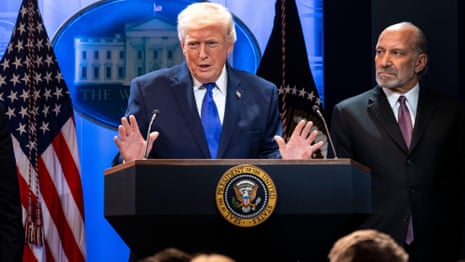
President Donald Trump has announced his intention to implement a sweeping 10% global tariff on all imported goods following a significant Supreme Court ruling that effectively blocked his administration's current tariff strategy. The announcement came during a press conference where the president expressed strong disapproval of the judicial decision, characterizing it as "a complete disgrace" to American sovereignty and economic policy. This dramatic escalation in trade policy represents one of the most comprehensive tariff proposals in modern American history, potentially affecting billions of dollars in international commerce.
The Supreme Court ruling that precipitated this announcement found that Trump's existing use of tariffs violated constitutional principles and exceeded executive authority in international trade matters. Legal experts had been closely monitoring several tariff-related cases working their way through the federal court system, with many predicting that the administration's broad interpretation of presidential trade powers would face judicial scrutiny. The court's decision effectively invalidated multiple tariff programs that had been central to Trump's economic agenda, creating a significant legal and political setback for the administration's trade strategy.
In response to the judicial rebuke, Trump's proposed universal tariff system would represent a fundamental shift in how the United States approaches international trade relationships. Unlike the targeted tariffs previously imposed on specific countries or industries, this new policy would apply uniformly across all trading partners and product categories. Economic analysts are already warning that such a comprehensive tariff structure could trigger massive retaliatory measures from trading partners worldwide, potentially escalating into a global trade war with far-reaching consequences for consumers and businesses.
The timing of this announcement has caught many political observers by surprise, coming at a moment when international economic relationships were already strained by ongoing trade disputes. Several key congressional leaders from both parties have expressed concern about the potential economic ramifications of such a broad tariff policy. Senate Majority Leader and other senior Republicans have called for careful consideration of the proposal's impact on American consumers, while Democratic leadership has criticized the move as reckless economic policy that could harm working families through increased prices on everyday goods.
International trade partners have already begun responding to Trump's announcement with a mixture of concern and preparation for potential economic retaliation. The European Union's trade commissioner issued a statement expressing disappointment with the proposed policy, while emphasizing the bloc's commitment to protecting its economic interests through appropriate countermeasures. Similarly, representatives from major Asian economies, including Japan, South Korea, and others, have indicated they are reviewing their options for responding to what they view as protectionist policies that violate international trade agreements.
Economic experts are divided on the potential impacts of implementing such a comprehensive tariff system. Supporters argue that broad-based tariffs could help protect American manufacturing jobs and reduce the trade deficit by making imported goods less competitive compared to domestically produced alternatives. They contend that previous targeted tariff approaches were too narrow to address systemic trade imbalances and that a universal approach would level the playing field for American workers and businesses across all sectors of the economy.
However, critics of the proposal warn that consumers would bear the primary burden of increased costs resulting from the tariff policy. Independent economic analyses suggest that a 10% universal tariff could add hundreds of dollars annually to the average American household's expenses, particularly affecting lower-income families who spend a larger proportion of their income on goods that would be subject to the new tariffs. Industries that rely heavily on imported raw materials or components, such as automotive manufacturing and technology sectors, could face significant disruptions to their supply chains and production processes.
The legal challenges to Trump's new tariff proposal are expected to begin almost immediately, with several trade organizations and business groups already consulting with attorneys about potential court actions. Constitutional law experts note that while presidents have historically held broad authority over trade policy, the Supreme Court's recent ruling suggests that there may be limits to how extensively that authority can be exercised without congressional approval. The legal battle over tariff authority could potentially reach the Supreme Court again, creating uncertainty about the long-term viability of the proposed policy.
Congressional response to the tariff announcement has been swift and largely critical, with several key committee chairs announcing plans for immediate hearings on the proposal's potential economic impacts. The House Ways and Means Committee, which has jurisdiction over trade policy, has scheduled emergency sessions to examine the legal authority for implementing such comprehensive tariffs without legislative approval. Several moderate Republicans have joined Democrats in expressing reservations about the policy, suggesting that Trump may face significant political opposition even within his own party.
International economic organizations have also weighed in on the controversy, with the World Trade Organization indicating that it is reviewing the proposed tariffs for compliance with international trade agreements. The International Monetary Fund has expressed concern about the potential for the policy to disrupt global economic recovery efforts, particularly given ongoing challenges related to supply chain disruptions and inflationary pressures in many countries. These international concerns add another layer of complexity to an already contentious domestic political debate.
Market reactions to Trump's tariff announcement have been notably volatile, with major stock indices experiencing significant fluctuations as investors attempt to assess the potential impacts on corporate profits and economic growth. Companies with substantial international supply chains have seen their stock prices decline, while some domestic manufacturing firms have experienced gains based on expectations that they could benefit from reduced foreign competition. Currency markets have also shown instability, with the dollar strengthening against some currencies while weakening against others, reflecting uncertainty about the policy's ultimate implementation and effects.
The proposed tariff implementation timeline remains unclear, with administration officials providing conflicting information about when the new policies might take effect. Some reports suggest that the president is seeking to implement the tariffs as quickly as possible, potentially within weeks of the announcement, while others indicate that the complexity of establishing a universal tariff system could require months of preparation and regulatory development. This uncertainty is creating additional challenges for businesses attempting to plan their operations and supply chain strategies.
Trade associations representing various industries have begun mobilizing opposition to the tariff proposal, arguing that it would undermine American competitiveness in global markets while increasing costs for consumers and businesses. The U.S. Chamber of Commerce has announced plans for a comprehensive campaign to educate policymakers and the public about what they characterize as the negative consequences of universal tariffs. Similarly, consumer advocacy groups are preparing to challenge the policy both in court and through public awareness campaigns highlighting the potential impact on household budgets.
As this trade policy controversy continues to develop, political analysts are watching closely to see how it might affect broader electoral dynamics and policy debates. The issue has the potential to become a defining element of upcoming political campaigns, with candidates forced to take positions on complex questions of trade policy, economic nationalism, and international relations. The ultimate resolution of this dispute may well determine the future direction of American trade policy for years to come, making it one of the most significant economic policy debates of the current political era.
Source: The Guardian


