
Trump Backs Iran's 20-Year Nuclear Program Halt

US President Trump says Iran's 20-year nuclear suspension is sufficient, but demands genuine commitment to fuel removal and uranium enrichment cessation.
In a significant statement regarding international nuclear diplomacy, the United States President has indicated that a 20-year nuclear programme suspension proposed by Iran could potentially satisfy American demands, marking a noteworthy shift in negotiations between the two nations. However, the President has emphasized that any agreement must come with verifiable commitments from Tehran to demonstrate genuine intent in addressing longstanding concerns about its atomic ambitions. This conditional endorsement reflects the delicate balance between demanding concrete assurances and remaining open to diplomatic solutions in one of the most contentious geopolitical issues of our time.
The Trump administration has made clear that rhetorical commitments will not suffice in future arrangements with the Iranian government. Speaking on the matter, the President stressed that Tehran must exhibit real commitment through tangible actions, particularly in two critical areas that have long troubled Western powers and regional allies. These demands center on Iran's willingness to remove existing nuclear fuel from its territory and to cease all uranium enrichment activities that could potentially lead to weapons-grade material production. Such specificity in demands reflects the administration's determination to prevent any pathway that might allow Iran to develop nuclear weapons capabilities.
The uranium enrichment issue has been at the heart of international concerns about Iran's nuclear program for over a decade. Iran has consistently maintained that its nuclear program is for peaceful, civilian energy purposes, yet the country's advancement in enrichment capabilities has raised alarms among Western intelligence agencies and policy makers. The ability to enrich uranium to higher levels brings a nation closer to having fissile material suitable for weapons development, which is why restricting this activity has become a cornerstone of any potential agreement. The President's insistence on stopping these activities altogether demonstrates a hardline approach to preventing nuclear proliferation in the Middle East.
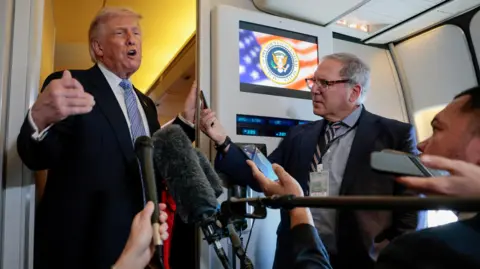
The 20-year timeframe mentioned by the administration represents a substantial commitment in diplomatic terms, essentially committing Iran to refrain from nuclear weapons development activities for a full generation. This extended moratorium would theoretically provide the international community with decades to verify Iranian compliance and to address underlying geopolitical tensions that have fueled the nuclear standoff. However, the President's conditional language indicates that accepting this timeframe depends entirely on Iran's willingness to meet specific requirements regarding transparency and concrete disarmament steps. The administration has made it abundantly clear that mere promises of restraint will not constitute an acceptable foundation for any long-term agreement.
The strategic importance of Iran's nuclear fuel removal cannot be overstated in the context of international security concerns. By requiring Iran to physically remove enriched uranium from its territory, negotiators aim to eliminate the most immediate threat of weapons development. This approach ensures that even in the worst-case scenario of an agreement breakdown, Iran would lack the raw materials necessary for rapid weapons production. Such safeguards are particularly crucial given the historical tensions between the United States and Iran, as well as the security concerns of American allies in the region, including Israel and the Gulf states that view Iranian nuclear advancement as an existential threat.
The President's statements come amid ongoing international diplomatic efforts to address the nuclear question through established channels and multilateral frameworks. The United States has historically been part of international agreements aimed at controlling nuclear proliferation, though recent administrations have taken varying approaches to engagement with Iran on this issue. The Trump administration's emphasis on verification mechanisms and concrete compliance measures reflects a broader skepticism toward agreements that rely primarily on Iranian assurances without robust inspection and accountability structures. This position has support among many foreign policy experts who argue that the complexities of nuclear programs demand the most rigorous oversight mechanisms available.
Regional implications of any potential agreement extend far beyond bilateral US-Iran relations. Israel, Saudi Arabia, and other Middle Eastern nations have expressed deep concerns about Iranian nuclear development, viewing it as a threat to regional stability and their own national security interests. The Trump administration's approach to these negotiations has consistently taken into account the concerns of these allies, ensuring that any future agreement would provide reassurance to America's regional partners. The President's insistence on rigorous terms reflects this broader strategic consideration, as weakening safeguards could potentially destabilize the entire region and undermine American credibility with key allies.
The nuclear diplomacy surrounding Iran represents one of the most technically complex and politically sensitive negotiations in contemporary international relations. Nuclear scientists and engineers play crucial roles in verifying compliance with any agreements, as the technical aspects of enrichment, fuel production, and reactor operation require expert understanding. The International Atomic Energy Agency has historically served as the primary international body responsible for verification and inspection of nuclear facilities in non-weapons states. However, concerns about access, transparency, and the adequacy of existing inspection protocols have been raised repeatedly by American officials who worry about Iran's willingness to fully cooperate with international oversight mechanisms.
Looking forward, the President's statement establishes clear parameters for what the United States will consider acceptable in future negotiations. The emphasis on the 20-year timeframe, coupled with demands for genuine nuclear commitment through fuel removal and enrichment cessation, creates a framework that negotiators on both sides can reference as discussions progress. Whether Iran will be willing to accept such stringent terms remains uncertain, as the Iranian government has historically resisted what it perceives as excessive constraints on its legitimate civilian nuclear activities. The coming months and years will likely determine whether this conditional openness to a lengthy suspension represents a viable path toward resolving one of the most intractable nuclear issues of the 21st century.
The broader context of US-Iran relations underscores the complexity of achieving any agreement on nuclear matters. Decades of mistrust, multiple periods of direct and proxy conflicts, and fundamentally different worldviews have created substantial barriers to productive dialogue. Nuclear negotiations cannot be separated from these historical and ongoing tensions, as both nations view the nuclear question through the lens of their broader strategic competition. The Trump administration's approach has been to compartmentalize the nuclear issue while maintaining a hardline stance on other aspects of Iranian behavior, from regional interventionism to human rights concerns.
The role of international partners in validating any agreement will be critical to its ultimate success and durability. European nations, in particular, have expressed interest in finding diplomatic solutions to the Iranian nuclear question, though they have also supported many of the concerns raised by the American government. China and Russia, with their own strategic interests in Middle Eastern affairs, will inevitably play roles in either supporting or undermining any framework that emerges from negotiations. The multilateral nature of nuclear non-proliferation concerns means that any agreement reached with Iran will require broad international support to achieve maximum effectiveness and longevity.
The President's statement ultimately reflects the fundamental tension in international nuclear policy: balancing legitimate state interests in peaceful energy development with the overwhelming global interest in preventing weapons proliferation. Iran's position as a nation with substantial oil reserves reduces the strategic necessity of nuclear energy for power generation, a factor that Western observers cite when questioning the purely civilian nature of Iranian nuclear ambitions. The Iranian government, conversely, argues for its rights as a non-weapons state under the Nuclear Non-Proliferation Treaty to develop peaceful nuclear technology. This philosophical and practical disagreement will likely continue to underpin negotiations regardless of whether a 20-year suspension proves acceptable to all parties.
As discussions continue between American officials and international partners regarding Iran's nuclear program, the President's statement provides important guidance on what constitutes acceptable parameters for any agreement. The combination of a lengthy moratorium period with concrete verification measures and physical removal of sensitive materials represents a comprehensive approach to addressing security concerns. Whether this framework can bridge the significant gaps between American demands and Iranian red lines will determine the trajectory of one of the most consequential diplomatic challenges facing the international community in the coming years.
Source: BBC News


