
Trump Backs LIV Golfers' Return to PGA Tour

Former President Donald Trump supports reintegrating LIV Golf players into the PGA Tour following the Saudi Public Investment Fund's withdrawal of funding from the breakaway league.
In a significant development for professional golf, Donald Trump has publicly endorsed the reintegration of LIV Golf players back into the PGA Tour, following a major announcement regarding the withdrawal of Saudi Public Investment Fund financing from the controversial breakaway league. The former US president expressed his belief that all elite golfers should have the opportunity to compete against one another, regardless of which circuit they previously chose to join. Trump's comments come at a critical juncture for professional golf, as the financial uncertainty surrounding LIV Golf has cast doubt on the future viability of the Saudi-backed competition.
The landscape of professional golf has undergone a dramatic transformation since LIV Golf's inaugural season, with numerous prominent players departing from the traditional PGA Tour to join the lucrative Saudi-funded alternative. The exodus of marquee names created a significant divide in the sport, with established players feeling betrayed and tour officials expressing concerns about the future of professional golf in America. Now, with the Saudi Public Investment Fund reducing its financial commitment to the league, the possibility of reunification between the two competing organizations has become a topic of serious discussion among stakeholders and observers alike.
Trump's perspective on the matter reflects a pragmatic approach to golf's current predicament. "I do believe all of the golfers should be playing," Trump stated, emphasizing his view that the sport benefits most when its best athletes compete together on the same stage. His comments suggest that the former president views the ongoing separation of professional golfers as detrimental to the overall quality and appeal of competitive golf. Trump's influence in golf circles remains substantial, given his ownership of numerous prestigious golf courses and his long-standing involvement in the sport as both a player and businessman.

However, not all voices in professional golf echo Trump's sentiment regarding the welcoming back of LIV defectors. Padraig Harman, a respected figure in the golf community, has expressed a contrasting viewpoint, suggesting that LIV Golf rebels should face meaningful consequences for their decision to abandon the traditional tour. Harman's position represents a significant faction within professional golf that believes the players who departed to join the Saudi-backed competition should not simply be allowed to return without facing some form of accountability or penalty. This dispute highlights the deep divisions that the LIV Golf saga has created within the sport's ecosystem.
The philosophical disagreement between Trump and figures like Harman underscores the broader challenges facing professional golf as it grapples with its fractured competitive landscape. The question of whether defecting players should face sanctions or be freely welcomed back remains contentious among tour officials, competing professionals, and golf administrators. Some argue that establishing a precedent for accepting returning players without consequences could undermine the institutional integrity of the PGA Tour and send the wrong message to current members who chose to remain loyal to the organization. Others contend that reunification should take priority over punishment, viewing the sport's healing as more important than maintaining grievances.
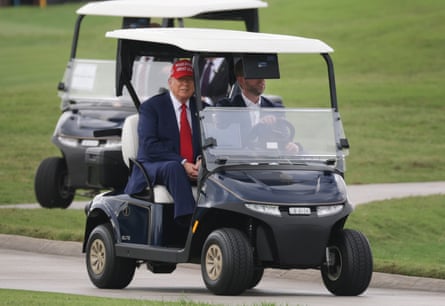
The financial situation surrounding LIV Golf has become increasingly precarious, as the Saudi Public Investment Fund's withdrawal of support signals a potential reassessment of the league's long-term viability. The reduction in funding raises questions about whether LIV Golf can sustain its operations and competitive offerings without the massive financial backing that made the organization competitive with the established PGA Tour. Multiple reports suggest that the breakaway league had been consuming significantly more capital than initially anticipated, leading the Saudi fund to reconsider its investment strategy and explore alternative approaches to involvement in professional golf.
As negotiations regarding the potential merger or reintegration of LIV Golf players continue behind closed doors, the statements from prominent figures like Trump carry weight in shaping public opinion and influencing the direction of discussions. Trump's endorsement of welcoming back LIV players provides ammunition for those advocating for a more inclusive approach to reunification, emphasizing the importance of competitive excellence over past grievances. His perspective as a major stakeholder in the golf industry, coupled with his considerable influence in political and business circles, makes his position noteworthy in the ongoing dialogue about professional golf's future structure.
The uncertainty surrounding LIV Golf's continued operations has created a ripple effect throughout professional golf, with implications for player contracts, tournament schedules, and the sport's overall commercial prospects. Players who made significant financial commitments to join the Saudi-backed league now face uncertain futures, with some potentially reconsidering their decisions in light of the diminished funding environment. The situation presents complex challenges for all parties involved, from individual competitors seeking stability and opportunity to golf organizations attempting to navigate a transformed competitive landscape and rebuild unity within the sport.
The debate over whether LIV Golf players should face consequences upon their return to the PGA Tour extends beyond mere symbolic gestures to include practical considerations regarding tournament eligibility, ranking points, and competitive standing. Different stakeholders have proposed varying frameworks for reintegration, ranging from complete amnesty to staged readmission processes that would gradually restore players' access to major championships and prestigious events. These discussions reflect the complexity of managing a professional sport that has been fundamentally disrupted by competing financial interests and conflicting visions for the game's future direction.
Looking forward, the trajectory of professional golf appears to hinge on whether the major stakeholders can find common ground regarding reunification and the terms under which it might occur. Trump's public backing of a more welcoming approach represents one influential voice in an ongoing conversation that will ultimately shape the sport's structure and competitive framework for years to come. The resolution of this contentious issue will likely require compromise from multiple parties, including tour officials, established players, and the golfers who ventured into the LIV Golf venture, all seeking to preserve the integrity and appeal of professional golf while accommodating practical realities of the modern sports business landscape.
Source: The Guardian


