
Trump Backs Paxton in Texas Race

Former President Trump endorses Texas Attorney General Ken Paxton in competitive Senate race, surprising Republican leadership and sparking debate.
In a bold political maneuver that has reverberated through Washington corridors of power, former President Donald Trump threw his substantial backing behind Texas Attorney General Ken Paxton in what is shaping up to be one of the most closely watched Senate races of the election cycle. The endorsement represents a significant gamble on Trump's part, as Paxton carries considerable baggage from past legal troubles and ongoing controversies that have shadowed his political career.
The decision to publicly champion Paxton has created palpable tension within Republican leadership, particularly among sitting Senate Republicans who have worked alongside the Texas attorney general for years and harbor serious reservations about his candidacy. Many establishment GOP figures view the endorsement as a risky calculation that could undermine party unity and jeopardize the carefully balanced political landscape in one of America's most crucial swing states. The move underscores the ongoing power struggle between Trump's wing of the Republican Party and traditional conservative leadership.
Paxton, who has served as Texas's chief law enforcement officer, faces mounting scrutiny over both his administrative record and his personal legal history. Despite these challenges, Trump's endorsement signals confidence in the attorney general's ability to secure the Republican nomination and ultimately prevail in the general election. The former president's political machinery has proven remarkably effective in influencing GOP primary contests, making this endorsement a significant development in the race's trajectory.
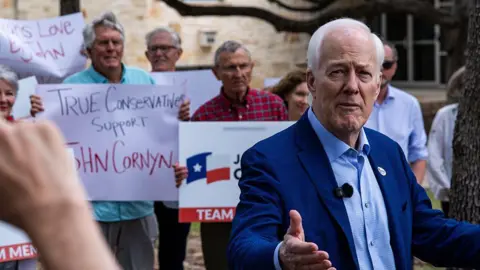
Senate Republicans' dismay over Trump's decision reflects deeper concerns about the direction of the party and the viability of their preferred candidates. Multiple sources indicate that longtime colleagues of Paxton expressed surprise and disappointment when learning of the endorsement, viewing it as a potential liability rather than an asset. These seasoned GOP operatives have expressed concerns that an association with Paxton could complicate efforts to unite the party heading into what promises to be a highly competitive general election cycle.
The political implications of this endorsement extend far beyond the immediate race in Texas. Trump's willingness to back a controversial figure demonstrates his continued influence over the Republican base, even as party establishment figures work to chart an alternative course. This dynamic has become increasingly visible across multiple primary races, where Trump-backed candidates frequently face opposition from more traditional conservative gatekeepers who question their electability and judgment.
Paxton's controversial tenure as Texas attorney general has included various legal entanglements and questions about his handling of state resources and authority. Yet supporters argue that his aggressive approach to challenging federal overreach and pursuing conservative legal priorities resonates strongly with Trump's political base. This fundamental disagreement about Paxton's fitness for office has become a flashpoint in broader debates about what constitutes an acceptable candidate within modern Republican politics.

The endorsement also reflects Trump's enduring popularity among Republican primary voters, despite ongoing legal challenges and political controversies surrounding the former president himself. Trump's ability to move needle in GOP primaries has become almost legendary, with his backing often proving decisive in determining which candidates secure their party's nomination. This power dynamic has created significant tension between Trump and party establishment leaders who worry about long-term viability and general election prospects.
Texas politics have become increasingly important to national Republican strategy, given the state's size, electoral votes, and growing demographic complexity. A strong Republican nominee in Texas is seen as essential to any credible GOP path to national victory. However, Republicans are divided on whether Paxton represents the strongest possible candidate to advance these interests or whether his personal baggage might create unnecessary vulnerabilities in a state where demographics are shifting.
The race dynamics in Texas will likely shift considerably in response to Trump's endorsement, as his base mobilizes behind Paxton and establishment Republicans grapple with how to respond. Some party leaders may attempt to position alternative candidates, while others might attempt to work constructively with Paxton to ensure party unity once a nominee emerges. The coming weeks and months will reveal whether Trump's political capital proves sufficient to overcome the concerns that have been raised about Paxton's viability.
Funding and campaign infrastructure will also play crucial roles in determining whether Paxton can successfully leverage Trump's endorsement into electoral success. Trump's network of donors, digital operatives, and grassroots organizers represents a formidable asset that few candidates can match in contemporary American politics. The question remains whether these resources and this political momentum can carry Paxton through both the primary election and the general election phases of the campaign.
Democratic opponents and their allies have begun preparing responses to this development, recognizing that Trump's endorsement will likely energize Republican voters and raise Paxton's profile among conservative households. However, they are also reportedly preparing to highlight Paxton's controversial background and legal issues as liabilities in a general election contest where independent voters and moderate Republicans could prove decisive. The stage is set for an intensely competitive race that will test whether personal controversy can be overcome through strong base enthusiasm and successful messaging.
Looking forward, the Texas Senate election will serve as a crucial bellwether for broader Republican Party trends and the future direction of conservative politics. Trump's endorsement of Paxton represents a high-stakes bet on whether his political instincts and power can overcome legitimate concerns within his own party about a particular candidate's fitness for high office. The outcome will have significant implications for how future Republican candidates approach relationships with Trump and how establishment leaders attempt to shape party direction in the post-Trump era.
The tension between Trump and Senate Republicans over Paxton encapsulates larger debates within the modern Republican Party about leadership, values, and strategic direction. As the race unfolds, both Trump's supporters and his critics will be watching closely to assess whether his endorsement proves transformative or whether it becomes a symbol of the party's internal conflicts. Whatever the outcome in Texas, this high-profile endorsement will remain a significant moment in American political history, illustrating the current balance of power within the Republican establishment and the broader conservative movement.
Source: BBC News


