
Trump Battles to Reopen Strait as Iran Rejects US Blockade

Trump's attempts to reopen a key waterway fall flat as Iran closes the Strait of Hormuz again, rejecting the US blockade. Get the latest updates on this developing story.
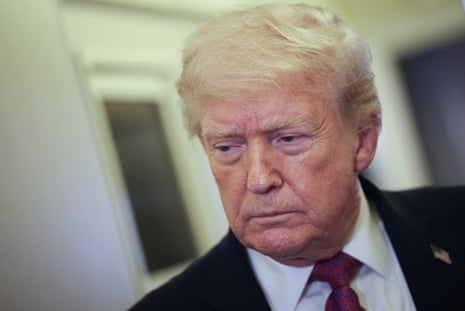
Trump's earlier tone of triumph with the reopening of a key waterway has fallen flat, as Iran closed the Strait of Hormuz again after the president said the US would not end its blockade of Iranian ports. The president had hoped to extricate himself from his ongoing war with Iran, but these latest developments have dealt another blow to those plans.
In a social media post, Trump stated: "The naval blockade will remain in full force and effect as it pertains to Iran, only, until such time as our transaction with Iran is 100% complete," adding that "this process should go very quickly". However, Iran has rejected the US blockade, further complicating the situation in the region.
The Strait of Hormuz is a critical global shipping chokepoint, with an estimated 20% of the world's oil supply passing through the narrow waterway. Iran's closure of the strait represents a significant geopolitical challenge, as it could disrupt global energy markets and escalate tensions between the US and Iran.
This latest development is part of an ongoing conflict between the two nations, which has been simmering for years. Trump's decision to withdraw from the Iran nuclear deal in 2018 and reinstate harsh economic sanctions has been a major source of tension, with Iran responding with its own provocative actions.
As the situation continues to evolve, it remains to be seen how Trump and his administration will respond to Iran's latest move. The president's hopes of a quick resolution to the conflict appear to have been dashed, and the region remains on edge as the two sides continue to jockey for position.
Overall, this latest development underscores the complexity and volatility of the situation in the Middle East, and the challenges facing Trump and his administration as they navigate these treacherous waters.
Source: The Guardian


