
Trump Blasts '$1,000+ World Cup Tickets' As Overpriced

Donald Trump questions the value of four-figure World Cup ticket prices for US matches, stating he wouldn't pay such amounts for the tournament.
Former President Donald Trump has become the latest high-profile figure to publicly criticize the World Cup ticket pricing structure being implemented for matches involving the United States national team. In an exclusive interview with the New York Post, Trump expressed his skepticism about the escalating costs, stating bluntly that "I wouldn't pay it either, to be honest." His comments reflect growing concerns among fans and industry observers about the accessibility of one of soccer's most prestigious tournaments.
The ticket controversy centers on the pricing for the USMNT's opening fixture against Paraguay, where admission prices start at $1,120 for Category 3 seats—the most affordable option available to the general public at the tournament. Trump indicated during the phone interview that he was initially unaware of the specific pricing levels, saying he "did not know that number" when discussing the cost of attending the match. This revelation underscores how the pricing structure has become a significant talking point across different segments of American society.
According to reporting from the Guardian, Fifa formally established the base price for Category 3 tickets in December, representing the cheapest available seats at the 2026 World Cup. The Category 4 seats, which would theoretically be even more affordable, represent only a small fraction of available inventory at the tournament. This tiered system has sparked debate about whether tournament organizers are prioritizing revenue generation over fan accessibility at a sporting event that traditionally aims to engage a broad international audience.
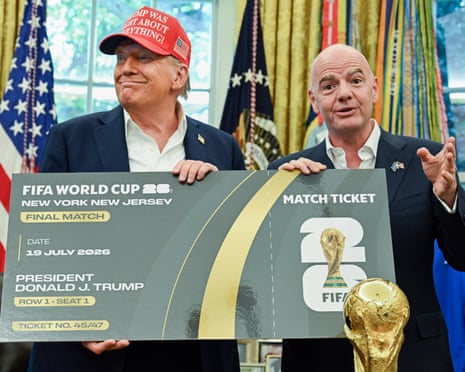
The criticism from Trump adds momentum to an ongoing conversation about World Cup affordability that has garnered attention from multiple stakeholders. Fifa leadership, including President Gianni Infantino, has previously attempted to justify the elevated price points by citing the unique economic dynamics of the United States market. Infantino argued that the pricing structure reflects the special circumstances of hosting the tournament in North America, where operational costs and market demand differ significantly from previous host nations.
The 2026 World Cup represents a historic moment for soccer in the United States, marking the first time the country will host the tournament as the sole host nation since 1994. The expanded format, which will include 48 teams instead of the traditional 32, adds another layer of complexity to the ticketing and pricing logistics. With matches spread across multiple cities and venues throughout the country, organizers face unprecedented challenges in balancing revenue objectives with fan accessibility.
Trump's candid assessment comes at a time when consumer spending patterns are under heightened scrutiny across multiple entertainment and sporting sectors. His willingness to publicly state that he would not personally invest in tickets at these price points may resonate with many potential attendees who face similar cost calculations. The remark also highlights the tension between Fifa's revenue maximization goals and the broader public's expectations for sporting events that are meant to inspire national pride and broad participation.
The Category 3 pricing structure established by Fifa represents a significant increase compared to historical World Cup ticket prices from previous tournaments. When examining the trajectory of ticket cost inflation over successive World Cup competitions, the 2026 pricing scheme stands out as particularly aggressive. Analysts have pointed out that this pricing strategy may create barriers for average American fans who wish to experience live World Cup matches, particularly the preliminary rounds featuring the home team.
Beyond Trump's individual perspective, the broader question of ticket accessibility intersects with concerns about who benefits from the World Cup's economic windfall. While corporate and premium ticket categories cater to high-net-worth individuals and large organizations willing to pay substantial sums, the general fan base may face unprecedented barriers to entry. This economic stratification raises important questions about the democratization of sports entertainment and whether major international tournaments adequately serve their traditional fan communities.
The timing of Trump's comments reflects a growing groundswell of public concern about ticket price inflation across major sporting events in the United States. As inflation affects various sectors of the economy, consumers are becoming increasingly price-sensitive to discretionary entertainment expenditures. World Cup matches, despite their global significance, must compete for consumer dollars alongside numerous other entertainment options, and ticket pricing that exceeds what ordinary fans consider reasonable may ultimately impact attendance figures and the tournament's overall appeal.
Fifa officials have maintained that the pricing model reflects the organization's assessment of market conditions and the operational requirements for hosting a tournament of this magnitude in the United States. The expanded format means more matches overall, more venues to prepare, and more logistical complexity than previous tournaments. However, critics argue that these considerations, while relevant to cost calculations, should not result in pricing that excludes middle-income families and casual fans from the experience.
The controversy surrounding World Cup 2026 ticket prices may ultimately influence how future tournaments structure their ticketing and pricing strategies. If attendance suffers due to pricing concerns, or if significant public backlash continues to mount, organizers may face pressure to adjust their approach. For now, Trump's outspoken criticism adds a high-profile voice to what many ordinary fans have already concluded: that four-figure prices for preliminary World Cup matches represent a significant premium that not everyone is willing or able to pay.
Source: The Guardian


