
Trump Blasts Pope Over Iran Nuclear Stance

Donald Trump accuses Pope Leo XIV of endangering Catholics with his Iran nuclear position, days before Secretary of State Marco Rubio's Vatican visit.
In a pointed escalation of ongoing tensions between the White House and the Vatican, US President Donald Trump has launched a fresh verbal assault against Pope Leo XIV, asserting that the pontiff is endangering Catholics through his perceived tolerance of Iranian nuclear development. The president's inflammatory remarks underscore deepening diplomatic rifts between the Trump administration and the Catholic Church leadership, marking another chapter in their contentious relationship regarding Middle East policy and international religious concerns.
Trump's latest criticism centers on what he characterizes as the pope's misguided approach to Iran nuclear weapons proliferation. According to the president, the pontiff's stance effectively endorses Iran's nuclear ambitions, a position Trump views as fundamentally dangerous to global security and to Catholic communities worldwide. The accusation reflects the administration's hardline approach to Iran policy and its expectation that religious leaders should align with American geopolitical interests in the region.
The timing of these remarks is particularly significant, as they arrive merely two days before Secretary of State Marco Rubio is scheduled to visit the Vatican for direct meetings with Pope Leo XIV. This diplomatic engagement has been strategically planned to address and potentially defuse the escalating tensions that have characterized recent interactions between Washington and the Holy See. The visit represents an attempt at official reconciliation following Trump's previous broadside against the Chicago-born pontiff.
Trump's preceding criticism targeted the pope's open condemnation of US-Israeli military operations against Iran, which the pontiff characterized as disproportionate and morally troubling. The pope's humanitarian concerns regarding civilian casualties and regional destabilization have put him at odds with the Trump administration's Middle East strategy. This fundamental disagreement over military intervention and diplomatic approaches has created a significant rift between the world's most powerful Catholic nation and the leader of the global Catholic Church.
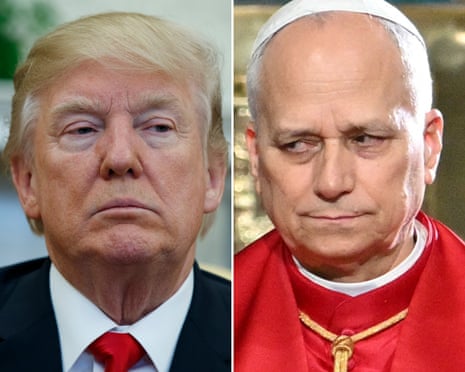
The Trump-Vatican tensions reflect broader divisions within American Catholicism regarding foreign policy and military intervention. Many Catholic leaders and organizations have historically advocated for peaceful resolutions to international conflicts, frequently invoking Catholic social teaching on war and peace. Trump's aggressive approach to Iran, including military operations and economic sanctions, conflicts with traditional Catholic principles of subsidiarity and careful moral consideration before resorting to armed force.
Secretary of State Rubio's impending Vatican visit represents an official attempt to bridge the ideological gap between the administration and the papacy. Rubio, who has his own complex relationship with Catholic teaching on immigration and social policy, will need to navigate delicate diplomatic waters while advocating for the administration's Iran policies. The meeting is expected to focus on shared concerns about international stability, human rights, and religious freedom, while attempting to find common ground on contested issues.
The Middle East crisis that prompted these tensions has significantly escalated tensions globally, with multiple parties involved in complex negotiations and military posturing. Trump's administration has maintained a hardline stance toward Iran, viewing the nation as an existential threat to regional stability and American interests. The pope's more measured response, calling for dialogue and de-escalation, represents a distinctly different approach to conflict resolution that prioritizes humanitarian concerns over strategic military advantage.
Pope Leo XIV's position on Iran nuclear negotiations stems from his broader pacifist orientation and his emphasis on the Church's role as an advocate for peace and justice. The pontiff has consistently warned against the humanitarian costs of military conflict and has called for international community engagement in resolving disputes through diplomatic channels. This perspective, while aligned with much Catholic teaching tradition, has put him in direct opposition to Trump's approach.
The underlying disagreement between Trump and the pope reveals fundamental differences in how political leaders and religious authorities approach international security challenges. While Trump prioritizes American military strength and deterrence capabilities, the pope emphasizes moral authority and the pursuit of peaceful solutions grounded in Catholic doctrine. These contrasting worldviews have created an unusually public dispute between a sitting US president and the head of the world's largest Christian denomination.
Trump's characterization of the pope's stance as endangering Catholics specifically attempts to mobilize religious constituencies concerned about nuclear proliferation and terrorism. By framing the disagreement in terms of Catholic welfare and safety, Trump seeks to drive a wedge between the pope and his followers, particularly among American Catholics who might be persuaded that the pontiff's diplomatic approach inadequately protects their interests. This rhetorical strategy reflects a broader pattern of Trump attempting to appeal directly to religious voters over the heads of their institutional leaders.
The US-Israeli military operations that prompted the pope's condemnation have been widely controversial, with humanitarian organizations documenting significant civilian casualties and infrastructure damage. The pontiff's criticism reflects not merely abstract theological concerns but concrete evidence of human suffering resulting from military action. Trump's dismissal of these humanitarian concerns as naive and potentially harmful reveals the depth of disagreement between the administration and Vatican leadership regarding the appropriate balance between security imperatives and moral responsibilities.
Looking forward, the Rubio visit will likely focus on finding diplomatic language that acknowledges both parties' concerns while avoiding further public confrontation. The Vatican is typically invested in maintaining good relations with major world powers, while Trump's administration values the symbolic and material support of religious constituencies. Both sides have incentives to reduce the temperature of their public dispute, even if fundamental disagreements about policy remain unresolved.
The broader context of these tensions includes the Trump administration's approach to religious freedom and its cultivation of support among American evangelical and Catholic voters. Trump has positioned himself as a defender of Christian values and interests, making the papal criticism particularly grating to the administration's narrative. The appearance of papal opposition to American security policies potentially undermines Trump's messaging to religious constituencies and requires damage control through high-level diplomatic engagement.
Catholic leaders in the United States find themselves in a delicate position, navigating their loyalty to the pope as spiritual leader while also recognizing the political realities of Trump's significant support among American Catholic voters. Some conservative Catholic figures have attempted to distinguish between papal pronouncements on geopolitical matters and the pope's spiritual authority, suggesting that Catholics can respectfully disagree with the pontiff on foreign policy while maintaining their Catholic faith. This theological flexibility allows politically conservative Catholics to support Trump without directly defying papal authority.
The upcoming Rubio-Pope meeting represents a critical moment in US-Vatican relations that will likely set the tone for future interactions between the Trump administration and the Church. The discussions may touch on a range of issues including Iran policy, humanitarian concerns, religious persecution, and the relationship between American power and Catholic values. Success in this diplomatic engagement would require both sides to emphasize common ground while diplomatically managing their substantive differences.
Ultimately, the Trump-Pope dispute reflects deeper questions about the proper role of religious institutions in secular political disputes and the degree to which religious leaders should engage in public criticism of national governments. The pope's traditional moral authority is both his strength and vulnerability in confrontations with powerful political figures who can mobilize secular and religious constituencies against him. Trump's willingness to publicly challenge papal authority breaks with established protocols of diplomatic deference to religious institutions, signaling a more confrontational approach to managing state-church relations.


