
Trump Cancels AI Executive Order Event After CEO No-Shows

President Trump abruptly canceled an executive order signing on frontier AI testing after major tech leaders declined last-minute invitations to the Oval Office.
In a dramatic turn of events, President Donald Trump made the unexpected decision to cancel a scheduled executive order signing ceremony on Thursday afternoon, just hours before the event was set to take place at the White House. The cancelled signing would have granted the federal government significant authority to conduct mandatory testing of frontier AI models before they could be released to the general public, representing a major shift in how artificial intelligence development is regulated at the national level.
According to reporting from The New York Times, Trump had specifically orchestrated the event with the intention of showcasing the nation's leading artificial intelligence executives in a public show of unity and support for his administration's regulatory approach. The president was reportedly eager to have prominent AI firm CEOs present during the signing to demonstrate broad industry backing for the policy initiative. However, when Trump learned that several top executives from major AI companies were unable to attend—despite receiving only 24 hours' notice of the event—he made the sudden decision to postpone the entire proceedings rather than proceed without their participation.
The short timeline for the event proved to be a significant obstacle, as numerous AI executives had already begun traveling to Washington in response to Trump's invitation. Multiple company leaders who had quickly rearranged their schedules and cleared their calendars to accommodate the hastily planned event were literally airborne, flying toward the nation's capital on their way to the Oval Office, when they received notification that the signing ceremony had been cancelled. This unexpected reversal left the executives stranded mid-journey and forced them to alter their plans on extremely short notice.
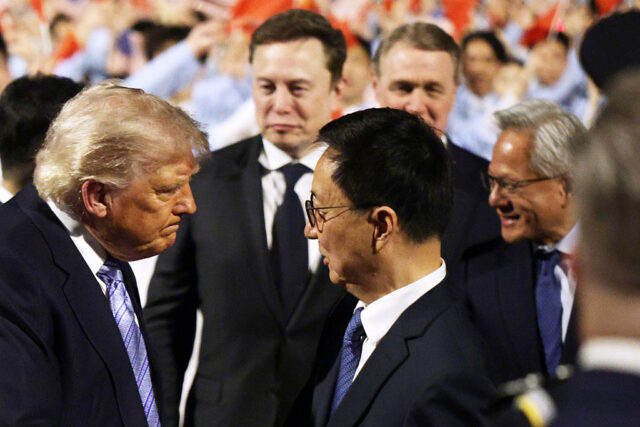
Behind-the-scenes reporting from Semafor revealed a more complex picture of what actually transpired behind closed doors at the White House. According to the publication's sources, while OpenAI had expressed its support for the executive order and the testing framework it would establish, other prominent figures in the tech industry actively worked to convince Trump to abandon the initiative. Most notably, xAI founder Elon Musk and Meta CEO Mark Zuckerberg reportedly engaged in efforts to persuade the president to shelve the executive order, allegedly urging him to "call it off" rather than move forward with the signing.
Adding another layer to the situation, David Sacks, who previously served as Trump's special advisor on artificial intelligence policy, also joined the effort to delay the executive order signing. According to reporting from The Information, Sacks' official designation as a special government employee had actually expired back in March, meaning he no longer held an official White House position at the time he was reportedly lobbying against the AI testing order. Despite his change in status, Sacks apparently maintained enough influence and access to weigh in on the matter and contribute to the pressure campaign against the initiative.
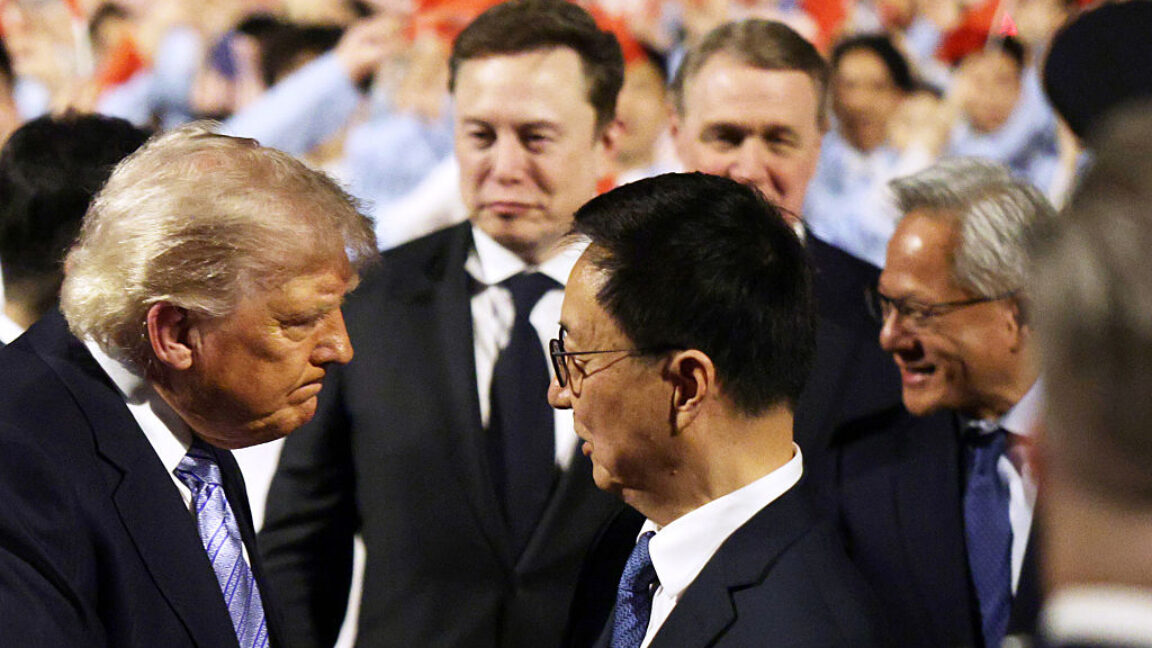
The frontier AI testing requirements outlined in the executive order represented one of the most significant regulatory attempts to oversee the development of advanced artificial intelligence systems. The proposal would have established a framework requiring companies to submit their most advanced AI models for government evaluation before making them available to the public, ostensibly to ensure they met certain safety and security standards before widespread deployment. This approach reflected growing concerns among policymakers about the potential risks associated with increasingly powerful AI systems being released without adequate safeguards or oversight mechanisms in place.
The controversy surrounding the executive order highlighted the deep divisions within the technology industry regarding how artificial intelligence should be regulated and governed. While some companies appeared supportive of establishing formal testing and approval processes, others—particularly those led by influential figures like Musk and Zuckerberg—preferred a lighter regulatory touch that would allow companies greater freedom in developing and deploying their AI systems. These competing visions of AI governance have become a central tension in technology policy debates, with significant implications for how the industry develops over the coming years.
The abrupt cancellation also raised questions about the Trump administration's AI policy direction and whether the president would attempt to revive the initiative or pursue alternative regulatory approaches. The incident demonstrated how sensitive discussions around AI regulation had become, with major industry players willing to invest significant political capital to shape policy outcomes in their favor. The fact that multiple executives were willing to immediately change their schedules and board aircraft to attend a last-minute signing ceremony underscored just how consequential these regulatory battles have become for the technology sector.

Trump's decision to cancel the event rather than proceed without the full complement of executives he desired reflected his well-known preference for high-profile spectacle and unified messaging in his policy announcements. The president typically prefers to stage executive order signings as public relations events that showcase broad support and agreement among key stakeholders, rather than appearing as controversial or contested measures. By cancelling when key players declined to attend, Trump prioritized maintaining this carefully curated image over moving forward with the regulatory initiative itself.
The episode also illustrated the substantial influence that prominent technology leaders continue to wield over federal policy, even outside formal government positions. The ability of figures like Musk and Zuckerberg to effectively stall a presidential executive order through private lobbying efforts demonstrated their considerable political leverage and access to decision-makers at the highest levels of government. This dynamic raises ongoing questions about the appropriate balance between industry input and independent government decision-making in technology policy matters.
Looking forward, the cancellation of the AI testing executive order signing raised significant uncertainty about whether and when such a policy might be revived or reimagined. The failed event suggested that achieving consensus among major AI companies on regulatory frameworks remained deeply challenging, with different firms having fundamentally divergent interests regarding how strictly their innovations should be overseen. As artificial intelligence development continues to accelerate, the question of how government should approach regulation and safety testing remains one of the most contentious policy challenges facing the Trump administration.
The broader implications of this incident extend beyond the immediate policy matter at hand. The cancellation of the signing ceremony sent a signal to industry observers that direct appeals and pressure from influential tech leaders can significantly impact presidential decision-making regarding technology policy. This development may embolden other companies or executives to attempt similar influence campaigns around future regulatory proposals, potentially creating a pattern where controversial AI policies can be derailed through coordinated industry opposition.
As the Trump administration continues to grapple with questions about how to regulate artificial intelligence while maintaining American competitiveness in this critical technology sector, the failed executive order signing serves as a reminder of how fraught these policy discussions have become. The tension between those advocating for robust testing and safety measures versus those preferring lighter regulation will likely remain a defining feature of AI policy debates for years to come.
Source: Ars Technica


