
Trump Claims King Charles Backs Iran Nuclear Stance

Donald Trump states UK monarch King Charles agrees with his position on Iran nuclear weapons during White House state dinner. Royal aides reportedly concerned.
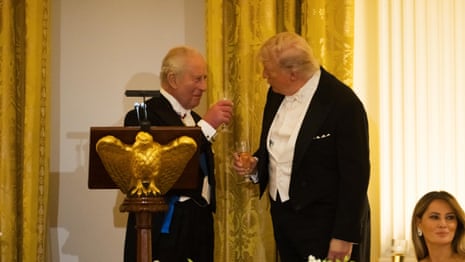
During a high-profile state dinner at the White House on Tuesday evening, US President Donald Trump made striking claims about his bilateral discussions with King Charles, asserting that the British monarch shares his hardline position on preventing Iran from obtaining nuclear weapons. The remarks, made in front of gathered dignitaries and media representatives, have reportedly sparked concern among advisors to the UK royal household, who traditionally work to maintain the sovereign's carefully cultivated stance of political neutrality.
Trump's public assertion that King Charles agrees with his Iran nuclear weapons policy represents an unusual moment of apparent alignment between the American president and the British monarch on a significant geopolitical matter. The president made these comments following a formal bilateral meeting between the two leaders earlier in the day, during which they discussed various matters of mutual interest and international significance. The timing and nature of Trump's remarks have raised eyebrows among diplomatic observers and royal advisors alike.
The UK monarch's position on international affairs is typically one of studied neutrality, a carefully maintained tradition that has defined the British royal family's public engagement with political matters for generations. King Charles, who ascended to the throne following Queen Elizabeth II's passing, has generally adhered to this longstanding convention, avoiding public statements that could be perceived as endorsing particular political positions or national policies. His advisors work diligently to ensure that his public pronouncements remain above partisan considerations.

The Iran nuclear weapons debate has been a contentious issue in international relations for years, with various nations and administrations taking differing approaches to preventing nuclear proliferation in the Middle East. Trump's previous withdrawal from the Joint Comprehensive Plan of Action (JCPOA), commonly known as the Iran nuclear deal, was a defining moment of his first presidency and remains a significant point of contention in global diplomacy. His return to a hardline stance on Iran's nuclear ambitions has placed him in opposition to several allied nations that maintain different approaches to the issue.
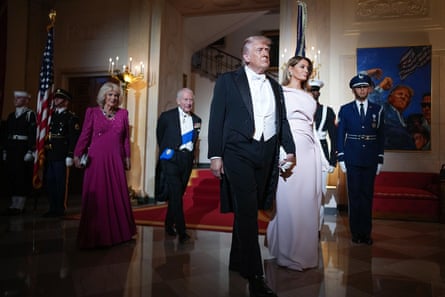
The White House state dinner served as the formal setting for these remarks, an occasion designed to celebrate diplomatic relations between the United States and the United Kingdom. Such events typically feature carefully choreographed remarks and measured statements from both principals, making Trump's more candid assertions about his agreement with King Charles stand out from the usual diplomatic protocol. The presence of Camilla, the Queen Consort, alongside King Charles underscored the significance of the visit.
Royal protocol dictates that King Charles should maintain discretion regarding his personal political views and preferences, particularly regarding contentious international matters. The British monarchy's role as a constitutional institution requires the sovereign to remain politically impartial, serving as a symbol of national unity rather than a partisan actor. This principle has been fundamental to the monarchy's survival and relevance in modern democratic governance.
Trump's characterization of the monarch's views comes at a delicate moment in UK-US relations, when both nations are navigating complex international challenges including regional security concerns and strategic partnerships. The assertion that King Charles backs Trump's Iran policy could be interpreted by various stakeholders as a signal of unified Anglo-American resolve on Middle Eastern matters, or alternatively, as Trump speaking out of turn regarding matters the royal household prefers to keep private. The distinction between these interpretations carries significant diplomatic weight.
Diplomatic observers have noted that bilateral talks between national leaders often involve discussions of shared concerns, and Iran's nuclear program remains a topic of legitimate international interest for both American and British policymakers. However, the jump from private discussion to public assertion of agreement on a politically charged issue represents a notable departure from established diplomatic norms. The sensitivity of such assertions suggests why royal advisors might be concerned about the implications of Trump's remarks.
The historical context of UK-US relations provides important background for understanding these developments. The special relationship between the two nations has long been characterized by close cooperation on matters of international security and strategic concern. Both countries maintain permanent seats on the United Nations Security Council and share significant intelligence and defense relationships, making their alignment on matters like nuclear proliferation theoretically consequential for global policy.
King Charles's predecessors, particularly Queen Elizabeth II, carefully navigated the challenge of maintaining diplomatic relationships with numerous nations while avoiding the appearance of political partisanship. Their approach set standards for how the British monarchy engages with international affairs and world leaders. The current king has shown commitment to continuing this tradition, focusing his public role on environmental issues, urban planning, and charitable endeavors rather than explicit political positions.
The nuclear weapons issue remains one of the most consequential policy debates in contemporary international relations, with implications extending far beyond bilateral US-UK relations. Iran's nuclear program, regional stability in the Middle East, and the effectiveness of various diplomatic and sanctions approaches all hinge on the positions taken by major world powers. Any public signal of unanimous support among significant allies carries weight in these negotiations and discussions.
Looking forward, the royal household may need to address or clarify King Charles's position regarding Trump's characterization of their discussion. Such clarifications, when necessary, are typically handled through carefully worded statements from official spokespersons that neither confirm nor deny specific positions while reaffirming the monarch's commitment to neutrality. The manner in which palace officials handle this situation will set important precedents for similar situations going forward.
The incident underscores the ongoing tension between formal diplomatic protocol and the informal, often unpredictable nature of contemporary political communication. Trump's willingness to publicly assert agreements with other world leaders reflects his distinctive approach to politics and diplomacy, one that differs markedly from the measured restraint traditionally expected of both American presidents and foreign dignitaries. Whether this style produces better outcomes or simply creates diplomatic complications remains a subject of ongoing debate among foreign policy experts.
Source: The Guardian


