
Trump Considers US Troop Reductions in Germany

Trump signals potential US military withdrawal from Germany following criticism from German Chancellor Merz over Iran war strategy and defense spending.
In a significant development affecting transatlantic relations, President Donald Trump has announced that the United States is actively studying troop cuts in Germany, marking a notable shift in American military posture in Europe. This declaration comes in the wake of pointed criticism from German Chancellor Friedrich Merz, who has voiced concerns about the US approach to the war in Iran and broader defense policy matters. The announcement has sparked considerable debate among foreign policy experts and alliance partners about the future of American military presence on the European continent.
Trump's comments reflect ongoing tensions between Washington and Berlin regarding military strategy and commitment to shared defense objectives. The potential withdrawal of US troops from Germany would represent a substantial change to the military infrastructure that has been in place for decades, particularly since the post-Cold War era. Such a move would have far-reaching implications not only for Germany but for the entire NATO alliance and European security architecture. Trump has repeatedly questioned American military commitments abroad, arguing that allies should shoulder greater responsibility for their own defense budgets and security arrangements.
The timing of Trump's announcement is particularly noteworthy given the recent statements from Chancellor Merz, who has expressed disagreement with American strategies in the Middle East, particularly regarding Iran policy. Merz has advocated for a more unified European approach to international crises, suggesting that Europe should not simply follow Washington's lead on all matters of foreign policy. The German leader's criticism reflects a broader European sentiment that questions whether the traditional transatlantic alliance remains as strong and aligned as it once was.
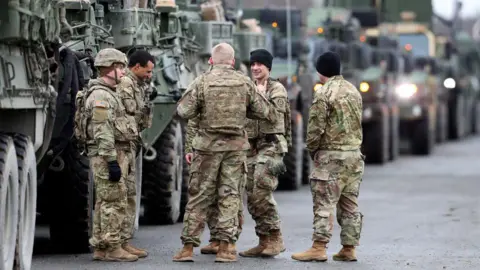
Germany has long served as a critical hub for American military operations in Europe, hosting numerous bases and serving as a logistical center for US military activities across the continent and beyond. The US military presence in Germany has been a cornerstone of NATO defense strategy, particularly given Germany's geographic position in central Europe. Approximately 35,000 American troops are currently stationed in Germany, making it one of the largest concentrations of US military personnel outside the United States. These forces play a crucial role in maintaining regional stability and demonstrating American commitment to European defense.
The potential reduction of American military forces in Europe raises questions about NATO's cohesion and capability to respond to security threats. Germany and other European nations have increasingly invested in their own military capabilities over recent years, partly in response to growing concerns about American reliability as a security partner. However, the complete withdrawal or significant reduction of American troops would still represent a substantial change to the security environment that Europeans have relied upon for decades. This uncertainty has prompted discussions about Europe's need for greater strategic autonomy and independent defense capabilities.
Chancellor Merz's criticism of American policy toward Iran appears to have triggered Trump's public consideration of troop reductions. The German government has maintained more cautious positions on escalation in the Middle East, preferring diplomatic solutions and multilateral approaches to regional conflicts. This divergence in approach highlights fundamental differences in how Washington and Berlin view their strategic interests and the best methods for addressing international security challenges. Trump's willingness to link military presence to agreement on foreign policy matters suggests a more transactional approach to alliance relationships.
The announcement of studying troop cuts in Germany may be intended as a negotiating tactic to pressure Berlin into adopting positions more aligned with American interests. This approach reflects Trump's broader philosophy of using leverage to extract concessions from allies on defense spending, military commitments, and foreign policy alignment. However, such public pressure can sometimes backfire by creating domestic political complications for allied leaders and potentially hardening their negotiating positions rather than softening them. The delicate balance between maintaining alliance solidarity and pursuing national interests remains a central challenge in transatlantic relations.
European security experts have warned that any significant reduction in American military presence could create a strategic vacuum that might be exploited by adversaries, particularly Russia. The presence of American troops in Germany serves not only as a deterrent to Russian aggression but also as a symbol of American commitment to European security. The potential withdrawal could prompt other European nations to question the reliability of American security guarantees and accelerate efforts toward greater European military independence. Such developments could fundamentally alter the structure of European defense arrangements that have existed since the Cold War.
Germany's response to Trump's announcement will likely involve careful diplomacy aimed at preserving the alliance while maintaining its own foreign policy autonomy. Chancellor Merz may need to address Trump's concerns while simultaneously reassuring other European partners that Germany remains committed to the transatlantic relationship. The stakes are high, as decisions made in the coming months could determine the future shape of NATO and European defense cooperation. Germany's position as Europe's largest economy and a key NATO member gives it considerable influence in these discussions.
The broader context of these developments includes ongoing debates about burden-sharing within NATO and the appropriate level of military investment by European nations. Trump has long criticized European NATO members for failing to meet the alliance's spending targets, arguing that the United States subsidizes European security. While many European nations have increased defense spending in recent years, particularly following Russia's invasion of Ukraine, Trump maintains that more should be done. His willingness to use military presence as leverage suggests that future American commitment to European defense may increasingly depend on these budgetary and policy concessions.
Looking forward, the future of US military commitment to Europe appears uncertain and subject to ongoing political negotiations. The possibility of troop reductions in Germany could have cascading effects throughout the NATO alliance, potentially prompting reassessments of American military presence in other European countries as well. This uncertainty underscores the need for sustained dialogue between American and European leadership to clarify long-term strategic intentions and ensure that the alliance remains capable of addressing emerging security challenges. The coming months will be crucial in determining whether these disputes can be resolved through negotiation or whether they will lead to more fundamental changes in transatlantic military cooperation.
In conclusion, Trump's announcement regarding potential troop reductions in Germany represents a significant moment in transatlantic relations. The dispute with Chancellor Merz over Iran policy serves as a reminder that even longstanding allies can have substantial disagreements on matters of international policy. How these differences are resolved in the coming weeks and months will likely have implications far beyond the immediate bilateral relationship between Washington and Berlin, affecting the broader European security landscape and the future configuration of NATO. The challenge for all parties involved will be to maintain alliance cohesion while addressing legitimate national interests and security concerns.
Source: BBC News


