
Trump Declares Emergency for Potomac Sewage Crisis

President Trump approves federal emergency declaration as millions of gallons of raw sewage pour into Potomac River, threatening DC's 250th anniversary celebrations.
President Donald Trump has officially approved a federal emergency declaration on Saturday to address a massive sewage crisis that has been plaguing the Washington DC metropolitan area since last month. The emergency response comes as millions of gallons of raw sewage continue to flow into the Potomac River through a catastrophically ruptured sewer main located north of the nation's capital. This environmental disaster poses a significant threat to the upcoming 250th anniversary celebrations of the United States, which are planned to take place in Washington DC this summer. The timing of this crisis couldn't be more problematic, as the nation prepares for what is expected to be one of the most significant patriotic celebrations in American history.
The Federal Emergency Management Agency (FEMA) released an official statement outlining the scope of the presidential action and the federal government's response to this unprecedented environmental emergency. According to the agency's press release, the president's decisive action grants FEMA comprehensive authority to coordinate all disaster relief efforts aimed at alleviating the substantial hardship and suffering being experienced by local communities affected by the ongoing crisis. The federal intervention is specifically designed to provide appropriate assistance to save lives, protect both private and public property, safeguard public health and safety, and significantly reduce the threat of further environmental catastrophe in the region.
The sewer main break represents one of the most severe infrastructure failures in the Washington DC area in recent memory, with environmental experts expressing grave concerns about the long-term impact on the Potomac River ecosystem. The continuous flow of untreated sewage has created a public health emergency that extends far beyond the immediate vicinity of the rupture, affecting communities along the river's path and potentially impacting the Chesapeake Bay watershed. Local authorities have been working around the clock since the initial break was discovered, but the scale of the damage has necessitated federal intervention to provide the resources and expertise needed to address this complex engineering and environmental challenge.
Environmental scientists and public health officials have been closely monitoring the situation, conducting regular water quality tests and assessing the potential risks to both human health and wildlife in the affected areas. The Potomac River sewage spill has raised serious concerns about water contamination levels, with preliminary reports indicating dangerously high concentrations of harmful bacteria and other pollutants that pose significant risks to anyone who comes into contact with the contaminated water. The spill has already forced the closure of several popular recreational areas along the river, including boat launches, fishing spots, and waterfront parks that are typically bustling with activity during the warmer months.
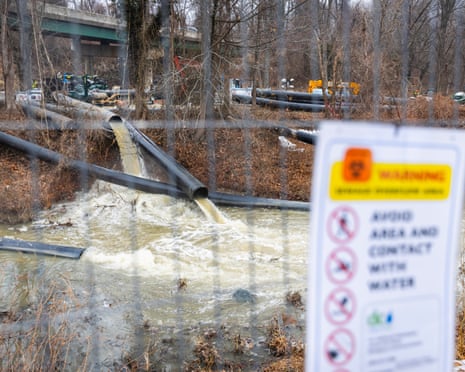
The timing of this environmental crisis is particularly concerning given the extensive planning that has been underway for the nation's 250th anniversary celebrations scheduled for this summer. Washington DC is expected to host millions of visitors from around the world for this historic milestone, with numerous events planned along the Potomac waterfront and throughout the metropolitan area. Tourism officials and event planners are now working frantically to assess how the ongoing sewage crisis might impact these celebrations and what alternative arrangements might be necessary to ensure the safety and comfort of visitors while still providing a memorable experience for this once-in-a-lifetime commemoration.
Local government officials have praised President Trump's quick response to their request for federal assistance, emphasizing that the scale and complexity of this infrastructure emergency far exceeds the capabilities of local and regional resources. The federal emergency declaration opens up access to specialized equipment, technical expertise, and financial resources that will be crucial in developing and implementing a comprehensive solution to stop the sewage flow and begin the extensive cleanup and remediation process. Engineering teams are already working on multiple approaches to address the ruptured pipe, including temporary bypass systems and emergency repair protocols that could help stem the flow while more permanent solutions are developed and implemented.
The environmental impact assessment is ongoing, but preliminary findings suggest that the ecological damage to the Potomac River system could be substantial and long-lasting. Marine biologists and environmental engineers are particularly concerned about the potential impact on fish populations, aquatic vegetation, and the overall health of the river ecosystem that serves as a critical habitat for numerous species of wildlife. The raw sewage contamination has already resulted in fish kills in certain areas, and there are growing concerns about the potential for algae blooms and oxygen depletion that could further devastate the aquatic environment.
Federal agencies are coordinating closely with state and local authorities to ensure a comprehensive response that addresses both the immediate emergency and the long-term recovery efforts that will be needed to restore the Potomac River to its natural state. The Environmental Protection Agency has deployed specialized teams to monitor water quality and assess environmental damage, while the Army Corps of Engineers is providing technical expertise and equipment to support the emergency repair efforts. This multi-agency approach reflects the complexity of the situation and the need for diverse expertise and resources to effectively address all aspects of this environmental crisis.
Public health authorities have issued comprehensive advisories warning residents and visitors to avoid contact with Potomac River water until further notice, particularly in areas downstream from the rupture site. The warnings extend to all recreational activities including swimming, boating, fishing, and any other activities that might result in direct contact with the contaminated water. Health officials are particularly concerned about the risks to vulnerable populations, including children, elderly individuals, and those with compromised immune systems who might be more susceptible to waterborne illnesses and infections that can result from exposure to untreated sewage.
The economic implications of this environmental disaster are also becoming increasingly apparent, with local businesses that depend on Potomac River tourism and recreation already reporting significant impacts on their operations. Marinas, boat rental companies, waterfront restaurants, and tourism operators are all facing potential revenue losses as the contamination crisis continues. The broader economic impact on the Washington DC metropolitan area could be substantial, particularly if the crisis is not resolved before the peak tourist season and the planned anniversary celebrations that are expected to bring unprecedented numbers of visitors to the region.
Infrastructure experts are using this crisis as an opportunity to highlight the broader challenges facing America's aging water and sewer systems, many of which were built decades ago and are now reaching the end of their useful life. The Washington DC infrastructure failure serves as a stark reminder of the critical need for comprehensive infrastructure investment and modernization across the country. Many of the sewer systems in major metropolitan areas are facing similar challenges, with aging pipes and outdated technology creating vulnerabilities that could result in comparable environmental disasters if not addressed proactively.
Emergency response teams continue to work around the clock to implement both temporary and permanent solutions to address the ruptured sewer main and its environmental consequences. The complexity of the repair work is compounded by the location of the break and the need to minimize disruption to surrounding communities and infrastructure while ensuring that the repair work is completed to the highest standards. Engineers are exploring multiple options, including the installation of temporary bypass systems that could help reduce the flow of sewage into the river while permanent repairs are designed and implemented.
Source: The Guardian


