
Trump Delays Iran Deal Escalation After Intense Diplomatic Push

President Trump postpones Iran sanctions threat for second time in weeks following marathon diplomatic negotiations. Latest developments in complex US-Iran relations.
In a significant reversal that caught many political observers by surprise, President Trump announced a decision to delay implementing threatened escalations against Iran, marking the second instance in as many weeks where he has stepped back from a more aggressive stance. The announcement came after an extraordinarily hectic day of diplomatic maneuvering involving multiple high-level government officials and international intermediaries working to prevent further deterioration of US-Iran relations.
The decision represents a notable shift in the administration's approach to the nuclear negotiations, suggesting that behind-the-scenes diplomatic efforts may be yielding some results despite months of public posturing and brinkmanship. Officials from the State Department and National Security Council were reportedly involved in intensive discussions throughout the day, exploring potential pathways to de-escalate tensions that have been mounting since the initial withdrawal from the Iran nuclear deal.
This development comes at a critical juncture in US foreign policy, where the administration has faced mounting pressure from both international allies and domestic political figures to pursue diplomatic channels rather than military escalation. The president's repeated decisions to postpone threatened actions suggest an internal debate within the administration about the most effective approach to achieving its stated objectives regarding Iranian nuclear capabilities and regional influence.
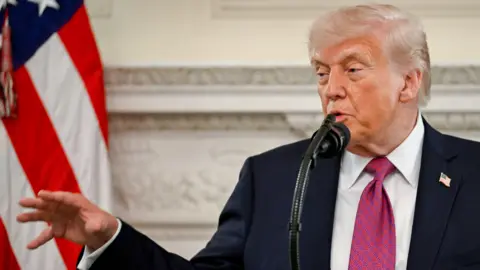
The frantic diplomatic activity that preceded the announcement involved numerous phone calls, secure video conferences, and in-person meetings between senior government officials. Intelligence agencies were reportedly consulted to provide updated assessments of the current situation, while military advisors presented contingency plans should negotiations ultimately fail. The intensity of these behind-the-scenes efforts underscores the gravity with which the administration views the potential consequences of further escalation in this volatile region.
Previous threats of escalation had created considerable uncertainty in global markets, particularly affecting oil prices and international stock exchanges. Financial markets have historically reacted with volatility to announcements regarding potential military action or severe economic sanctions against a major oil-producing nation like Iran. The president's decision to delay implementation of threatened measures likely provided some relief to investors concerned about geopolitical risks to the global economy.
The diplomatic breakthrough, if it can be characterized as such, reflects the complexity of international relations in the Middle East and the intricate balance required to maintain leverage while keeping negotiation channels open. Administration officials have emphasized that the delay should not be interpreted as a weakening of resolve, but rather as a tactical maneuver to maximize the effectiveness of future pressure on Iranian leadership to change course regarding their nuclear program and regional activities.
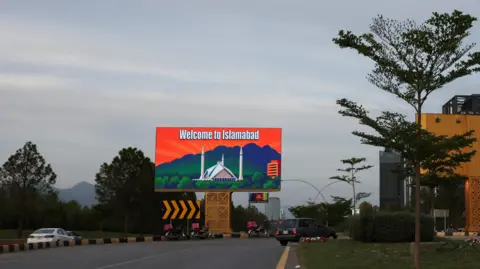
The second retreat from threatened escalation in recent weeks has led some foreign policy analysts to question whether the administration's hard-line approach is sustainable or whether internal divisions within the government regarding optimal strategy are becoming more pronounced. Different cabinet members and advisors have publicly expressed varying perspectives on how aggressively to pursue confrontation with Iran, potentially indicating disagreements about the wisest course of action moving forward.
Regional allies, including Saudi Arabia and the United Arab Emirates, have been closely monitoring these developments, as any military action by the United States would have profound implications for their own security interests. These countries have consistently urged the Trump administration to take a firm stance against Iranian activities they view as destabilizing, while simultaneously expressing concerns about the unpredictable consequences of military escalation in such a densely populated and strategically important region.
The ongoing Iran nuclear negotiations have been characterized by extended periods of tension punctuated by brief moments of apparent progress, creating an exhausting cycle for all parties involved. The previous administration's agreement, which the Trump administration withdrew from, had included detailed mechanisms for international inspections and verification of Iranian compliance with restrictions on nuclear development. The current standoff reflects fundamental disagreements about what new framework, if any, could effectively address international concerns about Iranian nuclear ambitions.

Analysts suggest that the pattern of threatened escalation followed by last-minute retreats may be a deliberate negotiating strategy designed to keep Iranian leadership uncertain about American intentions while demonstrating resolve to skeptical domestic constituencies. This approach carries inherent risks, as it could eventually lead to a situation where threats lose credibility if not followed through, or where miscalculation leads to unintended conflict escalation neither side desires.
The decision to buy additional time through diplomatic channels has been characterized by some observers as a victory for moderates within the administration who believe that sustained dialogue offers better prospects for achieving US objectives than military confrontation. Others view it more cynically as a temporary political calculation designed to avoid the economic disruption and military complications that would accompany any military action during an election year or period of significant domestic political division.
Looking forward, the critical question remains whether this extended period of negotiation will yield any substantive progress toward resolving the underlying disputes between the United States and Iran. The Middle East diplomatic crisis continues to demand attention from policymakers who must balance the desire to constrain Iranian power with the practical constraints on American military and economic resources that could be deployed in the region. The coming weeks and months will be crucial in determining whether this pattern of escalation and retreat gives way to either genuine diplomatic progress or an eventual military confrontation that could reshape the geopolitical landscape of the Middle East for years to come.
Source: BBC News


