
Trump Deprioritizes Human Rights in China Shift

Trump's approach to China diplomacy marks a significant departure from traditional US foreign policy priorities on human rights issues.
The Trump administration's approach to human rights in China represents a fundamental departure from decades of American diplomatic tradition, reflecting both the transformation of US foreign policy under the current administration and China's growing confidence on the global stage. This shift has raised concerns among international observers, human rights advocates, and policy analysts who have long viewed the defense of democratic values as a cornerstone of American diplomatic engagement.
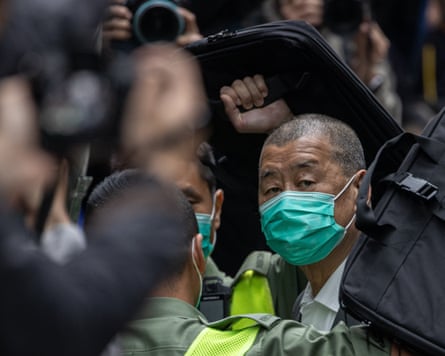
When asked before his departure to Beijing whether he would address the case of Jimmy Lai, the prominent pro-democracy activist currently imprisoned in Hong Kong, President Trump indicated he would bring up the matter. However, his comments revealed a telling reluctance to prioritize the issue, as he drew a contentious comparison to former FBI Director James B. Comey, a frequent target of Trump's public criticism. "I'll bring him up," Trump stated, "But it's like saying to me, 'If Comey ever went to jail, would you let him out?' It might be a hard one for me." This equivocation highlighted the president's willingness to subordinate human rights concerns to other diplomatic objectives.
The treatment of Jimmy Lai has become emblematic of broader concerns regarding democratic freedoms in Hong Kong since the implementation of the National Security Law in 2020. Lai, who founded the Apple Daily newspaper and has been a vocal advocate for democratic principles, faced charges related to his activism and media work. International human rights organizations have condemned his detention as politically motivated, viewing it as part of a larger campaign to suppress dissent and control the narrative in Hong Kong's civil society.
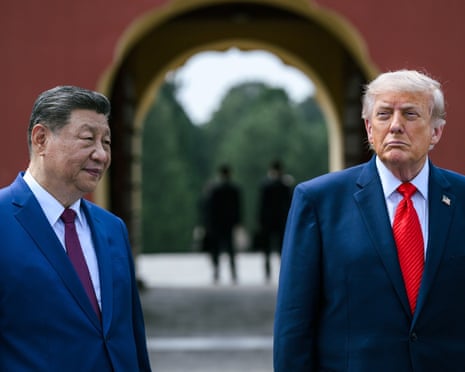
This reluctance to emphasize human rights concerns in US-China relations marks a significant departure from the approach taken by previous administrations, both Republican and Democratic. Traditional American diplomatic doctrine has held that advancing democratic values and human rights protections represents both a moral imperative and a strategic interest. For decades, successive US administrations have made human rights issues central to their discussions with Beijing, despite the complexities and challenges inherent in raising such sensitive topics with a major geopolitical competitor.
The strategic calculus behind Trump's approach appears to prioritize economic negotiations and trade relationships over ideological considerations. The administration has indicated its focus on securing favorable trade deals and addressing perceived economic imbalances between the United States and China, viewing these commercial concerns as more immediately pressing than long-standing human rights issues. This reorientation reflects a broader "America First" philosophy that emphasizes tangible economic benefits and military advantage over the promotion of universal democratic principles.
China's increasing confidence on the world stage has emboldened Beijing to resist external criticism regarding its internal governance practices. As China has grown economically stronger and expanded its global influence through initiatives like the Belt and Road Initiative, the country has demonstrated greater assertiveness in dismissing foreign criticism as interference in internal affairs. The Chinese government has consistently maintained that questions about Hong Kong governance and treatment of activists constitute violations of its sovereignty, and it has shown little inclination to modify its policies in response to international pressure.
The broader context of US-China diplomatic relations has become increasingly complex and contentious. Beyond the human rights dimension, tensions have escalated over trade practices, intellectual property concerns, military posturing in the South China Sea, and technological competition. The Trump administration has pursued a more confrontational approach to China on these issues, implementing tariffs and restricting certain Chinese companies' access to American markets. In this framework, raising human rights issues might be viewed as a potential complication in negotiations focused on these other strategic priorities.
Human rights organizations and democratic advocates have expressed deep concern about this apparent downgrading of human rights in the diplomatic hierarchy. They argue that a failure to consistently advocate for individuals like Jimmy Lai sends a troubling message not only to China but to other authoritarian regimes worldwide. The concern is that by not making human rights a central element of discussions with Beijing, the United States undermines its credibility as a defender of democratic values and emboldens other governments to crack down on dissent with less fear of international consequences.
The transformation of US foreign policy priorities under the current administration extends beyond China to encompass American diplomatic engagement globally. Critics contend that reducing emphasis on universal human rights protections weakens America's moral authority and distinguishes it from traditional allies in Europe and other democratic nations that have continued to prioritize these concerns. This perceived shift has contributed to concerns about a broader erosion of the values-based approach that has historically differentiated American foreign policy from purely interests-based diplomacy practiced by authoritarian states.
The case of Jimmy Lai also illustrates the challenges facing journalists and activists in Hong Kong following the National Security Law's implementation. The law has been interpreted and applied in ways that critics argue effectively criminalize legitimate political expression and journalism. Media outlets have faced pressure, and journalists have become increasingly cautious about their reporting on politically sensitive topics. The detention of high-profile figures like Lai sends a chilling message throughout Hong Kong's civil society about the costs of continued advocacy for democratic principles.
Observers of China's foreign policy strategy note that Beijing has become increasingly sophisticated in its engagement with global powers. Rather than being isolated by criticisms regarding human rights, China has worked to position itself as a responsible global actor advancing development and prosperity through its various international initiatives. This narrative directly contrasts with Western emphasis on governance and individual freedoms, yet it has proven persuasive to many nations, particularly in the developing world, that have benefited from Chinese investment and infrastructure projects.
Looking forward, the question remains whether the Trump administration's de-emphasis of human rights issues in China will establish a new precedent for American diplomacy or represent a temporary tactical adjustment. The outcome will likely have significant implications for how the United States is perceived internationally regarding its commitment to democratic values, and it may influence how other authoritarian regimes approach their own human rights practices. Meanwhile, individuals like Jimmy Lai continue to face uncertain futures within a system that offers them limited legal protections or hopes for international intervention on their behalf.
The evolution of US diplomatic priorities reflects deeper questions about American identity and values in an increasingly multipolar world. Whether the United States can maintain its traditional focus on advancing democratic principles while simultaneously competing effectively with China on economic and military fronts remains one of the defining challenges of contemporary international relations. The Trump administration's apparent willingness to deprioritize human rights in favor of other strategic objectives suggests a significant recalibration of how America balances its material interests with its stated ideological commitments on the global stage.
Source: The Guardian

