
Trump Escalates European Tensions Amid Iran Conflict

Trump threatens troop withdrawals from Italy, Spain, and Germany while facing Congressional scrutiny over Iran war strategy and military oversight.
The Trump administration has intensified diplomatic tensions across Europe, with the US president launching a series of public criticisms directed at key NATO allies while simultaneously threatening significant military redeployments. These statements represent a substantial escalation in Trump's foreign policy approach toward traditional American partners, raising concerns about the stability of transatlantic relationships at a critical geopolitical moment.
In a dramatic show of political brinkmanship, Trump has threatened to withdraw US troops from both Italy and Spain, countries that have hosted American military installations for decades as part of the broader NATO security architecture. This announcement came just one day after Trump publicly criticized Germany's Chancellor Friedrich Merz and indicated his willingness to reduce American military presence in Germany as well. The coordinated nature of these threats suggests a deliberate strategy to pressure European nations into greater compliance with Trump's policy objectives.
The timing of these military redeployment threats coincides with an escalating US war on Iran, a conflict that has drawn significant attention from Congress and military leadership. Administration officials have been advancing aggressive rhetoric about American military capabilities and successes, claims that have drawn scrutiny from lawmakers concerned about accurate intelligence assessments. The simultaneous pressure on European allies suggests Trump may be attempting to consolidate American military resources and political focus toward Middle Eastern objectives.
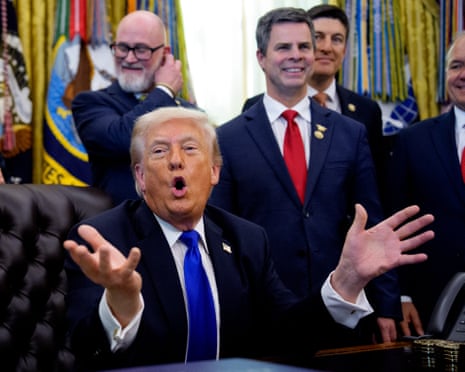
Congressional scrutiny of the Iran conflict has intensified considerably, with senior Democratic senators demanding greater transparency regarding the actual military situation on the ground. During a notable Thursday hearing, a prominent Senate Democrat directly questioned Pete Hegseth, the US Secretary of Defense, about whether the president was receiving accurate intelligence assessments concerning the ongoing conflict. The senator specifically accused Hegseth of employing what were characterized as "dangerously exaggerated" statements to paint an inaccurate picture of American military achievements and strategic positioning in the region.
These Congressional confrontations reflect deeper concerns about military oversight and the integrity of intelligence reaching the Oval Office. Democrats have expressed worry that political pressure from the Trump administration may be distorting military assessments, leading to flawed strategic decisions. The tension between Congressional Democrats and the Defense Secretary underscores the importance of maintaining institutional checks on executive military decision-making, particularly during periods of active conflict.
The Secretary of Defense's testimony also touched on broader questions about America's military commitment in various regions and the sustainability of current deployment levels. Critics argue that accurate intelligence is essential for making sound decisions about military positioning, resource allocation, and strategic priorities. The hearing suggested that significant disagreements exist within government circles about the true nature of military progress and the appropriate level of American military involvement in Iran-related operations.
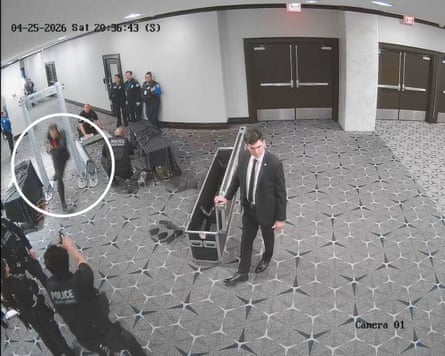
In another significant development, federal authorities have secured a commitment from the man accused of attempting to assassinate the US president to remain in custody during the proceedings. On Thursday, the suspect agreed to stay in federal custody while his criminal case advances through the courts. This development came after the individual was formally charged in connection with what prosecutors have characterized as a serious assassination attempt against Trump.
The agreement to remain in custody represents an important development in what has been described as a significant security threat against the president. Law enforcement agencies have indicated that the investigation into the alleged assassination attempt remains active and ongoing. The decision to keep the suspect in custody pending trial suggests that prosecutors believe there are substantial grounds supporting the severity of the charges and potential risks to public safety.
The alleged assassination attempt has raised important questions about presidential security protocols and the current threat environment facing American political leaders. Security analysts have noted that such incidents underscore the complex challenges facing the Secret Service and other protective agencies tasked with safeguarding senior government officials. The incident has also generated broader discussions about political polarization and the potential for violence in contemporary American politics.

These three major developments—military threats against European allies, Congressional criticism of the Iran war strategy, and the assassination attempt case—paint a picture of a Trump administration operating amid significant internal and external pressures. The Trump administration's approach to foreign policy appears to be prioritizing Middle Eastern military objectives while attempting to leverage military deployments as diplomatic tools against established allies. This strategy represents a notable departure from traditional post-Cold War NATO relationships.
The European response to Trump's troop withdrawal threats has been measured but firm, with allied nations emphasizing their commitment to shared security arrangements while expressing concern about American reliability. Germany's Chancellor Merz, despite being a target of Trump's criticism, has indicated willingness to engage in dialogue about defense spending and burden-sharing within NATO. Italy and Spain have similarly sought to maintain constructive engagement with the administration while defending their strategic importance to American interests.
The convergence of these political challenges suggests that the Trump administration faces complex strategic calculations across multiple policy domains. Balancing military commitments in Europe with new priorities in the Middle East requires careful diplomatic navigation and clear communication with allies. The Congressional opposition to aspects of the Iran war strategy adds another layer of complexity to executive decision-making regarding military deployments and resource allocation.

Looking ahead, the outcomes of these concurrent crises will likely shape American foreign policy trajectories for months to come. Congressional investigations into military intelligence and the Iran conflict may constrain executive flexibility, while European allies may seek alternative security arrangements if American commitments appear unreliable. The assassination attempt case will continue to dominate security discussions and may influence how the administration approaches domestic political polarization.
The broader pattern of Trump's statements and actions suggests a willingness to use military deployments as leverage in diplomatic negotiations with traditional allies. This approach carries significant risks, including potential damage to NATO cohesion, alienation of key partners, and complications for American military operations globally. Whether this strategy ultimately achieves Trump's policy objectives or generates unintended consequences remains to be seen, but the current trajectory suggests continued tension across multiple international and domestic fronts.
Source: The Guardian


