
Trump Escalates Germany Row, Eyes Europe Troop Cuts

Trump renews criticism of German Chancellor Merz, hints at withdrawing US military presence from Italy and Spain. Latest developments in US politics.
Donald Trump has intensified his diplomatic confrontation with Germany's Chancellor Friedrich Merz, launching fresh criticism and demanding the German leader redirect his attention toward domestic concerns and peace negotiations in Eastern Europe. In a series of remarks on Thursday, the US president suggested that Merz should concentrate his efforts on what Trump characterized as his country's numerous structural challenges rather than engaging in what the president described as meddlesome foreign policy positions regarding Iran.
The escalating rhetoric between the two leaders marks a significant strain in the traditionally strong transatlantic relationship between the United States and Germany. Trump's comments come amid broader tensions over military commitments and defense spending across Europe, issues that have occupied a central place in his administration's foreign policy discussions. The president's willingness to publicly rebuke a major NATO ally underscores his broader skepticism about long-standing international alliances and his preference for bilateral negotiations over multilateral agreements.
Building on comments made the previous day about reviewing the US military presence in Germany, Trump signaled on Thursday that his administration was examining the broader American troop footprint across the European continent. The president went further than previously disclosed, suggesting that military installations in Italy and Spain were also under scrutiny, with potential troop withdrawals being considered as leverage in negotiations with European partners.
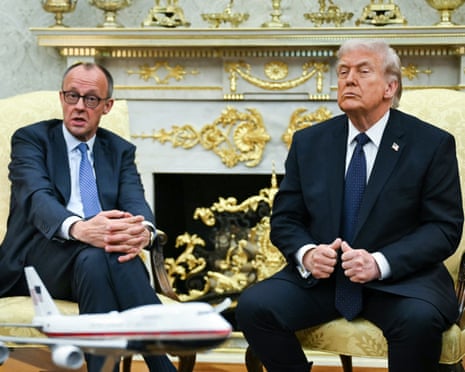
The president's latest remarks were prompted by questioning from a conservative media figure, illustrating how Trump often responds to ideologically aligned journalists with expanded commentary on controversial topics. This pattern has become characteristic of his presidency, with various policy considerations sometimes emerging through seemingly spontaneous remarks rather than formal announcements or coordinated messaging. The apparent ad-hoc nature of these statements has sometimes created confusion about whether such considerations represent genuine policy directions or negotiating tactics.
Trump's focus on Germany specifically reflects his long-standing criticism of the nation's defense spending relative to its economic capacity. The president has repeatedly cited what he views as insufficient German contributions to NATO's collective defense, arguing that European nations should shoulder greater responsibility for their own security rather than relying on American military protection. This perspective has been a cornerstone of Trump's approach to NATO and transatlantic relations throughout his political career.
The situation with Germany's Chancellor Merz represents a continuation of broader tensions that have characterized Trump's relationship with European leadership. Previous disagreements over trade policy, climate commitments, and defense spending have created a complex diplomatic landscape. Merz, who assumed office more recently than many of his European counterparts, has attempted to navigate these challenging dynamics while maintaining Germany's commitments to NATO and other international organizations.
The prospect of reducing US military presence in allied nations raises significant strategic questions about American commitments to regional security architecture. For decades, American military bases in Europe have served as anchors for NATO deterrence against potential Russian aggression, particularly regarding Eastern European nations. The potential withdrawal of troops or reduction of forces could have cascading effects on alliance cohesion and regional stability calculations.
Italy and Spain, both NATO members with significant strategic importance, have historically hosted substantial American military infrastructure. These bases serve critical functions in Middle Eastern operations, intelligence gathering, and rapid response capabilities across the broader European theater. Any meaningful reduction in American military presence at these locations would require careful consideration of operational impacts and strategic consequences.
The timing of these statements reflects the current political environment in Washington, where Trump continues to emphasize his willingness to challenge established international norms and question the utility of existing alliance structures. His administration has signaled that defense spending commitments, burden-sharing arrangements, and perceived respect for American interests would feature prominently in determining future levels of military engagement with allied nations.
Congressional responses to potential troop reductions have varied, with some lawmakers expressing concern about abandoning long-standing commitments while others support a more transactional approach to alliance management. The debate reflects broader questions about the appropriate level of American military engagement abroad and whether traditional alliance structures continue to serve vital national interests. Defense analysts have offered differing perspectives on the strategic implications of such moves.
Germany's position as the largest economy in Europe and a central player in NATO defense arrangements gives it particular importance in these discussions. The nation hosts the largest concentration of US military personnel in Europe, making it especially vulnerable to Trump's threatened reductions. German policymakers face the challenge of responding to American pressure while managing domestic political considerations and European partnership obligations.
Trump's public criticism of Merz and his veiled threats regarding military presence appear designed to exert pressure on German decision-making across multiple policy domains. By linking security commitments to other disputes, the president is employing a negotiating strategy that conflates different issues into a broader leverage play. This approach has characterized much of his international engagement, treating diplomatic interactions as transactional exchanges rather than collaborative efforts.
The ongoing developments in Trump's international relations strategy continue to generate significant commentary from foreign policy experts, diplomatic observers, and alliance specialists. Questions about the stability of traditional Western partnerships and the reliability of American commitments have become increasingly prominent in international discourse. These uncertainties have prompted various European nations to consider alternative security arrangements and increased defense spending.
Looking forward, the trajectory of Trump's relationship with German leadership and his broader approach to American military presence in Europe will significantly influence the geopolitical landscape. Whether these statements represent negotiating positions that could be adjusted through diplomatic channels or reflect genuine policy intentions remains subject to interpretation. The coming weeks and months will likely provide greater clarity on the administration's actual priorities regarding American commitments to European security and alliance management.
Source: The Guardian


