
Trump Escalates Trade War with 15% Universal Tariffs

President Trump raises tariffs to 15% on all imports after Supreme Court strikes down his flagship trade policy, defying congressional authority.
In a dramatic escalation of his trade agenda, President Donald Trump announced on Saturday a significant increase in universal tariffs from 10% to 15% on imports from every country worldwide. This bold move came less than 24 hours after the United States Supreme Court delivered a crushing blow to his administration's trade policy framework, ruling that his previous tariff implementation had exceeded presidential authority.
The Supreme Court's Friday ruling represented a major constitutional challenge to Trump's trade strategy, determining that the President had overstepped his executive powers when he initially imposed blanket tariffs under the International Emergency Economic Powers Act (IEEPA) without securing proper congressional approval. The decision sent shockwaves through the administration and immediately prompted a fierce response from the White House.
Trump's reaction to the high court's decision was swift and characteristically combative. The President unleashed a scathing attack on the Supreme Court justices who voted against his tariff authority, denouncing them as a "disgrace to the nation" in what legal experts are calling an unprecedented public rebuke of the judicial branch. His inflammatory rhetoric underscored the deep frustration within the administration over what they view as judicial interference in executive trade policy.
Rather than backing down from his protectionist trade agenda, Trump immediately pivoted to alternative legal mechanisms to maintain his tariff structure. Within hours of the Supreme Court ruling, he announced the implementation of an immediate 10% tariff on all imports under separate statutory authority, demonstrating his determination to preserve his trade policy despite judicial setbacks.
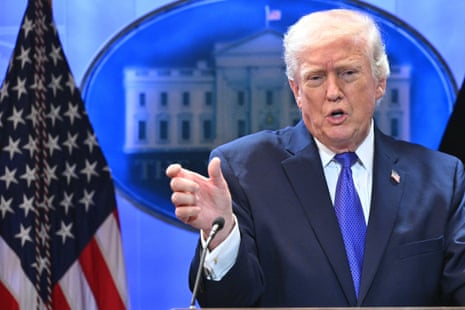
The tariff increase to 15% represents a significant escalation that will affect virtually every imported product entering the United States market. This comprehensive approach means that existing bilateral and multilateral trade agreements will face additional levy burdens, potentially disrupting established commercial relationships with key trading partners including China, Mexico, Canada, and European Union member states.
Economic analysts are expressing serious concerns about the broader implications of these trade policy changes on American consumers and businesses. The universal nature of the tariff increase means that costs for imported goods ranging from electronics and automobiles to agricultural products and raw materials will likely rise substantially, with these expenses typically passed along to end consumers through higher retail prices.
The legal foundation for Trump's latest tariff implementation relies on different statutory authority than the mechanism struck down by the Supreme Court. By utilizing alternative trade law provisions, the administration believes it can circumvent the constitutional issues raised in Friday's ruling while maintaining the protective trade barriers that form a cornerstone of Trump's economic policy platform.
Congressional leaders from both parties are closely monitoring the situation, with many expressing concerns about the constitutional implications of the President's defiant response to the Supreme Court ruling. Democratic leadership has indicated they may pursue legislative action to further constrain presidential tariff authority, while some Republican members are privately expressing unease about the escalating conflict between the executive and judicial branches.
International trade partners are responding with alarm to the tariff escalation, with several major economies already signaling potential retaliatory measures. The European Union has indicated it is reviewing options for responding to what officials are calling "unwarranted trade aggression," while Chinese trade representatives have suggested that the increased tariffs could jeopardize ongoing bilateral trade negotiations.
The timing of Trump's announcement has created additional uncertainty in global financial markets, which had already been volatile following Friday's Supreme Court decision. Currency exchanges are showing increased volatility, particularly affecting the US dollar's position against major trading currencies, while commodity markets are experiencing significant price fluctuations as traders attempt to assess the long-term implications of the policy changes.
Business organizations across multiple sectors are scrambling to understand the practical implications of the 15% universal tariff rate. Import-dependent industries, including retail, manufacturing, and technology sectors, are conducting urgent assessments of how the increased costs will affect their supply chains, pricing strategies, and competitive positioning in domestic and international markets.
The National Association of Manufacturers has called for immediate clarification on implementation timelines and potential exemption processes, while the National Retail Federation has warned that the tariff increase could result in significant price increases for American consumers across a broad range of consumer goods categories.
Legal experts are analyzing the constitutional dimensions of the ongoing conflict between Trump's trade agenda and judicial oversight. The President's public criticism of the Supreme Court, combined with his immediate circumvention of their ruling through alternative legal mechanisms, raises important questions about the separation of powers and the limits of executive authority in trade policy implementation.
Constitutional scholars note that while presidents have historically possessed broad authority in international trade matters, the systematic use of emergency powers and alternative statutory frameworks to bypass congressional oversight represents a significant expansion of executive trade policy control that could have lasting implications for future administrations.
The International Emergency Economic Powers Act, which formed the basis for Trump's original tariff strategy, was designed for genuine national security emergencies rather than broad-based trade policy implementation. The Supreme Court's rejection of this approach reflects growing judicial skepticism about expansive interpretations of emergency presidential powers in non-crisis situations.
As the 15% tariff rate takes effect, economists are closely monitoring potential impacts on inflation, consumer spending, and overall economic growth. Preliminary modeling suggests that the comprehensive nature of the tariff increase could contribute to measurable increases in consumer price indices, particularly affecting lower-income households that spend larger proportions of their income on imported goods and products containing imported components.
Source: The Guardian


