
Trump Extends Iran Ceasefire Indefinitely

Trump indefinitely extends US-Iran ceasefire as diplomatic talks continue. US blockade remains in place amid rising tensions over Strait of Hormuz.
In a significant diplomatic development, Donald Trump has announced an indefinite extension of the US ceasefire with Iran, marking a critical moment in ongoing negotiations between the two nations. The decision comes as discussions between American and Iranian officials have grown increasingly strained, with both sides expressing concerns about the direction of talks. Trump's commitment to extending the ceasefire demonstrates a willingness to maintain dialogue despite the mounting challenges and competing interests at the negotiating table.
The Trump administration stated that the ceasefire would remain in effect "until such time as [Iran's] proposal is submitted, and discussions are concluded, one way or the other." This conditional approach reflects the complexity of the current situation, where both nations are attempting to balance their strategic interests while maintaining a fragile peace. The extension signals that despite recent setbacks and heightened tensions, both sides recognize the potential benefits of continued diplomatic engagement over immediate confrontation.
However, the extension of the ceasefire does not indicate a complete resolution of existing tensions between the two nations. The US blockade against Iran remains firmly in place, continuing to impact Iranian economic activities and trade relationships. This ongoing economic pressure represents a key point of contention in the negotiations, as Iran seeks relief from these restrictive measures while the United States maintains that such sanctions are necessary until certain conditions are met regarding Iran's nuclear program and regional activities.
Adding another layer of complexity to the situation, Iran has closed the Strait of Hormuz, one of the world's most critical maritime chokepoints through which roughly one-third of global oil trade passes. This closure, combined with Iran's seizure of two commercial vessels on Wednesday, represents a significant escalation in tensions and demonstrates the country's willingness to use its geographic position as leverage in negotiations. The incident with the seized ships has raised alarms about potential further deterioration of the security situation in the Persian Gulf region.
The seizure of the two merchant vessels marks a concerning escalation that underscores the volatility of the current diplomatic environment. Iran's actions suggest that despite the ceasefire extension, the nation is prepared to take aggressive measures to advance its negotiating position. These ship seizures have been interpreted by observers as a warning signal that Iran's patience with the negotiation process is wearing thin, and that Tehran is willing to create international incidents to demonstrate its resolve.
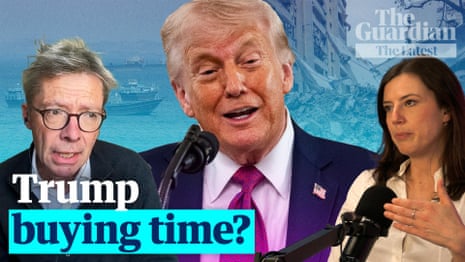
To provide deeper insight into these developments, Lucy Hough of the news desk connected with Patrick Wintour, the Guardian's highly respected diplomatic editor and seasoned analyst of international relations. Wintour brings extensive experience in covering Middle Eastern diplomacy and has closely followed the evolution of US-Iran relations through multiple administrations. His analysis provides crucial context for understanding the implications of Trump's ceasefire extension and the broader trajectory of negotiations.
The question of whether a comprehensive deal can ultimately be achieved remains one of the most pressing concerns for international observers monitoring the situation. Both nations have demonstrated a capacity for diplomatic engagement, yet significant obstacles continue to impede progress toward a lasting agreement. The structural issues underlying the dispute—including sanctions relief, nuclear program verification, and regional security concerns—represent fundamental disagreements that cannot be easily resolved through informal dialogue alone.
Observers have noted that the Iranian nuclear program remains at the center of international concerns, with the United States and its allies worried about potential weapons development. Iran, conversely, maintains that its nuclear activities are for peaceful purposes and that it has the right to develop nuclear energy. This fundamental disagreement has persisted through multiple rounds of negotiations and previous diplomatic frameworks, suggesting that resolving this particular issue will require significant compromise from both sides.
The Middle East diplomatic situation has become increasingly fragile over the past several months, with multiple incidents threatening to derail negotiations entirely. Beyond the specific issues of the ceasefire and the Strait of Hormuz closure, broader regional dynamics involving various proxy forces, neighboring nations, and international powers add layers of complexity to any potential deal-making efforts. These interconnected challenges mean that any agreement between the US and Iran would need to address not just bilateral concerns but also broader regional security architecture.
The Trump administration's decision to extend the ceasefire rather than escalate tensions reflects a calculated approach to maintaining leverage in negotiations while avoiding the economic and humanitarian costs of military conflict. This strategy acknowledges the reality that neither nation's military capabilities would yield a decisive victory without catastrophic consequences for regional stability and global markets. By extending the ceasefire, Trump has effectively signaled that the administration believes a negotiated settlement remains possible, though not imminent.
As the situation continues to develop, the international community watches closely to assess whether this diplomatic window remains open or whether further incidents like the ship seizures signal an impending collapse of talks. The coming weeks and months will be critical in determining whether Trump's ceasefire extension represents a genuine pathway toward conflict resolution or merely a delay before renewed escalation. The statements and actions of both Iranian and American officials will provide important signals about the true intentions and flexibility of each side moving forward.
Source: The Guardian


