
Trump Eyes Troop Withdrawal From Italy, Spain

US President Trump threatens to review military presence in Europe, targeting Italy and Spain over Iran policy criticism. Strategic shift impacts NATO allies.
In a significant development that could reshape the American military footprint across Europe, US President Donald Trump has publicly threatened to withdraw American troops from Italy and Spain, marking an expansion of his broader review of US military deployment across the continent. The contentious remarks were made in response to direct questioning from reporters, signaling a potential shift in Washington's approach to its longstanding European alliances and defense commitments.
The announcement comes at a particularly sensitive moment in international relations, with Trump citing the two European nations' public criticism of American military operations targeting Iran as a primary justification for reconsidering the US military presence. Trump stated he would "probably" consider withdrawing troops from both countries, suggesting that such moves are not merely hypothetical discussions but rather serious policy considerations under active review within his administration.
During his remarks to the press, Trump was notably critical of both nations' contributions to the transatlantic alliance. "Look, why shouldn't I? Italy has not been of any help to us and Spain has been horrible, absolutely horrible," Trump said, employing characteristically direct language to express his frustration with what he perceives as insufficient support from these NATO members. These comments reflect a pattern of Trump's approach to foreign policy, which frequently emphasizes reciprocal benefits and tangible contributions from allied nations.
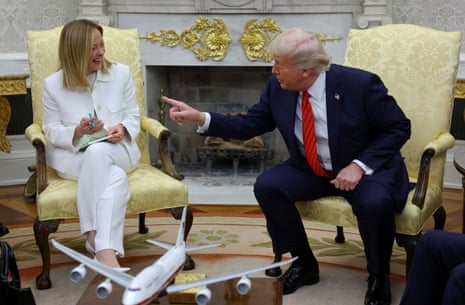
Italy and Spain now join an increasingly lengthy roster of European countries facing potential troop reductions under Trump's administration. The two nations host significant American military installations that serve as critical strategic hubs for US operations throughout Europe, the Mediterranean, and beyond. The potential removal of these forces would have far-reaching implications for regional security architecture, NATO operations, and the balance of power in the Mediterranean region.
The broader context of Trump's military review involves a comprehensive reassessment of US military presence across Europe, reflecting his administration's focus on what it views as burden-sharing inequities within NATO. Trump has repeatedly argued that many European allies benefit disproportionately from American defense commitments while contributing insufficient resources and political support to joint endeavors. This perspective has become a defining characteristic of his administration's foreign policy approach toward the transatlantic alliance.
The reference to Iran policy criticism appears to be a particularly contentious issue prompting Trump's latest threats. Both Italy and Spain have publicly expressed reservations about certain aspects of American military operations in the region, and their diplomatic positions have apparently registered as sufficiently problematic to trigger consideration of significant military redeployments. The Iran policy dispute represents a fundamental disagreement between Washington and these European capitals regarding regional security strategy and diplomatic engagement approaches.
Experts and analysts have noted that Trump's pattern of threats regarding military withdrawals from various countries and regions reflects a transactional approach to international relations. Rather than viewing alliances as inherently valuable institutional arrangements, this approach treats military presence as a commodity or leverage point in bilateral negotiations. The inclusion of Italy and Spain in these threats underscores how extensively this framework extends across Trump's foreign policy calculations.
The potential ramifications of such withdrawals extend beyond the two affected nations, potentially destabilizing the entire European security architecture. American military bases in Italy and Spain support numerous critical functions, including NATO operations, intelligence gathering, logistics support, and rapid response capabilities. Their loss would necessitate significant reconfiguration of American military operations throughout the region and could embolden adversarial nations seeking to exploit perceived weaknesses in European security arrangements.
Italy hosts several important American military installations, including naval bases that support operations throughout the Mediterranean and into Africa. Spain similarly maintains critical US military infrastructure, particularly relating to naval operations and air defense capabilities. The strategic importance of maintaining military presence in both nations has long been recognized as central to American interests in Europe and the broader Middle East region.
The diplomatic repercussions of Trump's threats are already being felt, with Italian and Spanish government officials likely grappling with how to respond to the American president's public criticism. The challenge for these nations involves balancing their independent foreign policy positions, particularly regarding Iran, with the substantial benefits derived from the American security umbrella. Navigating this tension between sovereignty and strategic alliance maintenance presents complex political and diplomatic challenges.
Trump's review of US military presence in Europe reflects broader questions about the future of the transatlantic alliance and America's role within European security structures. As the president and his administration continue to reassess these deployments, uncertainty looms over the stability and predictability of American commitments to European defense. This uncertainty itself may have significant strategic consequences, potentially encouraging European nations to reconsider their security postures and defense investments.
The situation highlights fundamental tensions within the current administration's approach to international alliances and military deployments. While proponents of this strategy argue it encourages greater burden-sharing among allies and ensures that American resources are deployed where they generate maximum strategic benefit, critics contend that undermining long-standing alliances creates uncertainty and potentially weakens overall Western security arrangements. The debate over the proper balance between these competing considerations remains unresolved.
As developments continue to unfold, observers remain closely monitoring whether Trump's threats regarding troop withdrawals from Italy and Spain represent serious policy intentions or negotiating tactics designed to extract concessions on the Iran issue and other matters. The distinction between these possibilities has profound implications for American-European relations and the broader international security landscape. Both scenarios carry significant consequences for the nations involved and for the wider geopolitical order.
Source: The Guardian


