
Trump Faces Mounting Costs and Challenges in Iran Conflict

As the US-Israeli bombing of Iran enters its third week, the purpose and potential off-ramps remain elusive. Experts urge an end to this destructive war before more damage is done.
Trump needs to reject Netanyahu's quest for a forever war against Iran. Instead of regime change, all the bombing has produced so far is regime reinforcement and no end in sight.
With the US-Israeli bombing of Iran now in its third week, its costs are mounting, its purpose is increasingly muddled and potential off-ramps have become frustratingly elusive. Yet rather than succumb to despair, we should urgently press for this destructive war to end.
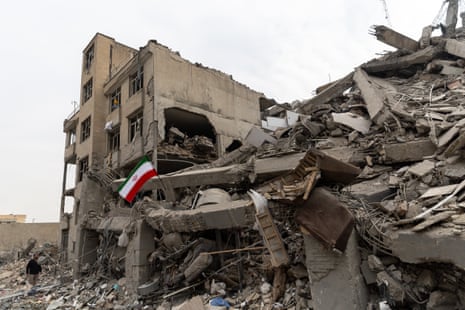
Iran never engaged in an actual or imminent attack that would justify a war of self-defense. The best that Donald Trump could muster was an argument of prevention – that Iran's missile program and capacity to disrupt the Middle East must be curtailed, along with its ability to build a nuclear weapon. But the UN charter does not permit armed attacks for mere potential threats.

Rather than pursuing a futile and destructive war, Trump should take a step back and consider the broader context. This conflict fits a pattern of Netanyahu consistently pushing for military action against Iran, even when it may not serve US interests. The Israeli leader has long sought to eliminate Iran's regional influence and nuclear ambitions, and has used his close relationship with Trump to advance this agenda.
However, a sustained bombing campaign is unlikely to achieve the desired results. Regime change has proven elusive, and the bombing is more likely to reinforce the Iranian regime's grip on power than weaken it. Furthermore, the costs of this conflict – in terms of lives lost, infrastructure damaged, and regional stability disrupted – are mounting rapidly.
Instead of pursuing a futile and destructive war, Trump should explore alternative approaches that could achieve the same goals without the high costs. This could include renewed diplomatic efforts, targeted sanctions, or even a negotiated settlement that addresses Iran's regional influence and nuclear ambitions without resorting to military force.
Ultimately, the path forward will require difficult compromises and a willingness to look beyond the short-term political considerations that often drive foreign policy decisions. But the stakes are too high, and the potential consequences too dire, to continue down the current path of escalation and conflict.


