
Trump Halts Hormuz Strait Operation Days After Announcement

US President Trump pauses military operation in Strait of Hormuz just 50 hours after announcing the initiative. Explore what led to the sudden reversal.
In a striking reversal that caught observers off guard, US President Donald Trump announced a pause to a military operation aimed at ensuring safe passage through the Strait of Hormuz merely 50 hours after unveiling the initiative. The abrupt decision raised questions about the administration's strategic planning and the underlying factors that prompted the sudden shift in policy direction.
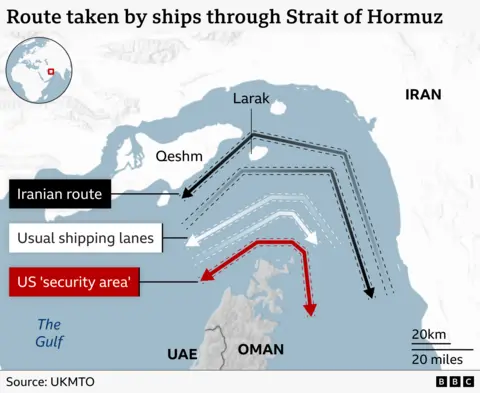
The Hormuz Strait operation had been presented as a critical measure to safeguard international shipping routes and protect American interests in one of the world's most vital waterways. Trump's original announcement had emphasized the importance of maintaining free and unobstructed passage through the strategically significant chokepoint, which serves as a critical corridor for global energy supplies and international commerce. The initiative appeared to represent a significant commitment to regional stability and maritime security.
However, within just over two days, the administration reversed course on the initiative, leaving analysts and policymakers scrambling to understand the reasoning behind the sudden pause. The brief window between announcement and reversal suggested that either new information had emerged, diplomatic considerations had shifted, or internal disagreements within the administration had influenced the decision. Such rapid policy reversals are relatively uncommon in matters of military and strategic importance, making this development particularly noteworthy.

Sources close to the administration indicated that various factors may have contributed to the decision to pause the operation. Military planning considerations, potential diplomatic ramifications, and consultations with key allies could have all played a role in prompting the reassessment. The decision underscores the complexity of executing major military initiatives in international waters, particularly in regions where multiple nations maintain significant strategic interests.
The Strait of Hormuz has long been a flashpoint for international tensions and remains one of the world's most critical maritime passages. Roughly 21 percent of global petroleum passes through the waterway, making it essential to international energy security and economic stability. Any military action in the region carries substantial implications not only for regional powers but for the global economy as a whole, which may have factored into the administration's decision to pause operations.
Regional allies and international partners had varied reactions to the original announcement. Some nations welcomed the initiative as a necessary step to ensure maritime security, while others expressed concern about potential escalation and the risks of military confrontation. The pause may reflect efforts to coordinate more closely with these stakeholders and to address their concerns before proceeding with implementation of the full operation.
The reversal also highlighted the ongoing policy debates within the Trump administration regarding America's military engagement in the Middle East and broader strategic priorities in the region. Different departments and advisors within the government may have offered divergent perspectives on the wisdom and timing of the initiative, ultimately leading to the decision to pump the brakes on implementation. These internal deliberations are typical when major foreign policy decisions are being considered.
Experts in maritime law and international relations suggested that the pause provided an opportunity for more comprehensive strategic planning and consultation with international stakeholders. The brief operation announcement and subsequent pause demonstrated the importance of thorough preparation before launching military initiatives, particularly in areas as sensitive as the Strait of Hormuz. The additional time could allow for better coordination with allies and a more refined approach to addressing regional security concerns.
The incident also raised broader questions about decision-making processes within the administration and the coordination between different branches of government responsible for military operations. Press statements and official communications would eventually clarify the rationale behind the pause, though initial reactions from the White House focused on emphasizing the temporary nature of the suspension and the commitment to addressing maritime security challenges through coordinated efforts.
Moving forward, observers expected that the administration would work to develop a more comprehensive approach to maritime security in the region that balanced the need to protect shipping lanes with diplomatic considerations and coordination with international partners. The pause suggested that further deliberation, planning, and consultation would precede any resumed or modified operations in the Strait of Hormuz. How the administration ultimately addressed the maritime security challenges in this critical waterway would have significant implications for regional stability and global commerce.
Source: BBC News


