
Trump Halts Iran Strike Following Gulf State Pressure

President Trump cancels planned Tuesday attack on Iran after Gulf state requests, citing ongoing serious negotiations as reason for military pause.
In a significant development in US-Iran relations, President Trump announced that he has postponed a military attack on Iran that was scheduled for Tuesday, citing pressure from Gulf state allies and the emergence of diplomatic channels. The decision marks a notable shift in the administration's approach to the escalating tensions in the Middle East region, potentially opening pathways for negotiations with Iran rather than military confrontation.
According to the president's statement, the delay in military action comes at the specific request of Gulf state partners, who have expressed concerns about the broader implications of a US strike. These regional allies, which include Saudi Arabia and the United Arab Emirates, have indicated their preference for pursuing diplomatic solutions before resorting to military measures. The Trump administration appears to be taking these concerns seriously, particularly given the strategic importance of maintaining strong relationships with these key Middle Eastern partners.
Trump emphasized that serious negotiations are now taking place between US officials and Iranian representatives, suggesting that there may be genuine progress toward resolving the underlying disputes. The president indicated that these talks represent a meaningful opportunity to address grievances through dialogue rather than military action, though he did not provide specific details about the nature or scope of these negotiations.
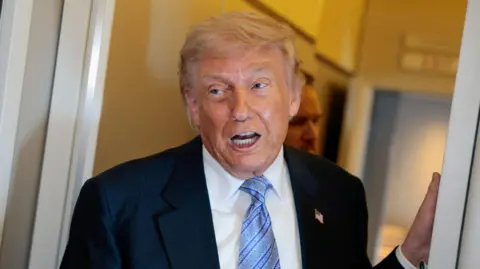
The postponement of the Iran military action demonstrates the complex balance the Trump administration must maintain between responding to Iranian provocations and preserving its relationships with critical Gulf allies. These regional nations have significant economic and geopolitical influence, and their preferences cannot be easily dismissed despite the administration's traditionally hawkish stance toward Tehran. The decision reflects broader strategic calculations about long-term US interests in the volatile Middle East region.
Sources close to the situation indicate that Gulf state leaders have been in close contact with American counterparts, urging caution and suggesting that military escalation could have unintended consequences for regional stability. There are concerns that a direct US attack could provoke Iranian retaliation against American interests, Saudi oil infrastructure, or shipping routes critical to global commerce. These considerations appear to have influenced the presidential decision to hold back military operations.
The timing of this announcement is particularly significant given the escalating tensions that have characterized US-Iran relations in recent months. Multiple incidents, including alleged Iranian attacks on oil tankers and drone incidents, have raised stakes in the region and prompted military preparations on both sides. The decision to halt the planned strike suggests a recognition that such incidents, while serious, may not necessarily warrant immediate military response if other avenues remain available.
The diplomatic negotiations with Iran that the president referenced could potentially address several outstanding issues between the two nations, including economic sanctions, nuclear capabilities, and regional proxy conflicts. While details remain sparse, the willingness to engage in serious talks indicates that both sides may be seeking a path toward de-escalation. However, observers note that past negotiations with Iran have often proven difficult, with deep-rooted mistrust on both sides complicating progress.
Gulf state allies have long been concerned about direct military confrontation between the US and Iran, as their geographic proximity puts them at risk of retaliation. These nations have significant economic interests dependent on regional stability, including tourism, foreign investment, and the continued operation of important shipping and energy infrastructure. Their preference for negotiation over military action reflects these practical considerations as much as diplomatic principle.
The decision to postpone the military strike represents a departure from some previous Trump administration responses to Iranian actions, which have often been swift and decisive. This time, the president appears willing to give Iran negotiations a chance to produce results before pursuing military options. Whether this patience will be maintained if negotiations stall or new incidents occur remains an open question.
White House officials have indicated that while the Tuesday attack has been called off, the military remains prepared to take action if negotiations fail or if Iran commits further provocations. This positioning allows the administration to maintain deterrence while pursuing diplomacy, though it also creates uncertainty about what triggers might lead to renewed military operations. The exact parameters of what would necessitate renewed strikes have not been publicly detailed.
Regional analysts suggest that this development could have broader implications for US policy in the Middle East beyond the immediate Iran situation. It demonstrates that Gulf state partners have meaningful influence over American decision-making in the region and can shape policy outcomes through diplomatic pressure. This recognition of Gulf state influence may affect how the administration approaches other regional challenges and conflicts.
The announcement has been received with mixed reactions internationally, with some viewing it as a prudent effort to explore diplomacy before resorting to military force, while others see it as a sign of weakness or insufficient resolve. Supporters of the decision praise the administration for exercising restraint and seeking to reduce tensions, while critics question whether Iran will interpret the pause as an opportunity to continue provocative behavior without consequence. These differing perspectives reflect broader disagreements about the appropriate approach to Iranian threats.
The outcome of these serious negotiations will likely determine the trajectory of US-Iran relations for the foreseeable future. If talks produce substantive agreements addressing key concerns, it could represent a significant breakthrough in an otherwise adversarial relationship. Conversely, if negotiations fail to produce results, the Trump administration may face renewed pressure to pursue the military action that has been temporarily postponed.
As developments continue to unfold in the coming days and weeks, all parties involved appear to be watching closely for signs of progress in these diplomatic channels. The decision to halt military operations has opened a window for dialogue, but the window's duration remains unclear. What happens next will depend largely on the willingness of both Iranian and American negotiators to find common ground and the ability of Gulf state partners to maintain their advocacy for peaceful resolution of these longstanding disputes.
Source: BBC News


