
Trump Halts Pakistan Trip for Iran Ceasefire Talks

President Trump cancels envoys' planned Pakistan visit for Iran negotiations. Steve Witkoff and Jared Kushner's trip postponed after Tehran's top diplomat leaves.
President Donald Trump has made the decision to cancel a planned diplomatic mission to Pakistan, instructing his senior envoys to abandon their upcoming travel to Islamabad for critical Iran ceasefire negotiations. The announcement came shortly after Tehran's highest-ranking diplomat departed Pakistan late Saturday evening, signaling a significant shift in the administration's diplomatic strategy regarding the contentious Middle Eastern conflict.
The decision to halt the envoys' journey represents a notable development in ongoing diplomatic efforts to broker peace between the conflicting parties. Steve Witkoff and Jared Kushner, both prominent figures in the Trump administration, were originally scheduled to travel to Islamabad to engage in what the White House had characterized as crucial talks aimed at reviving stalled ceasefire discussions. However, the abrupt cancellation suggests a reassessment of the administration's approach to Middle Eastern diplomacy.
During an interview with Fox News, Trump conveyed a message of continued openness to dialogue, stating that the Iranian government and other parties involved could reach out directly if they wished to engage in negotiations. This statement underscores a shift toward a more direct communication approach rather than relying solely on intermediary diplomatic channels. The president's comments suggest that while the scheduled Pakistan trip is no longer proceeding, the door remains open for negotiations to occur through alternative means.
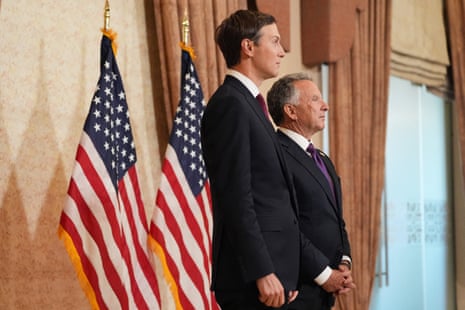
The White House had formally announced on Friday that both Witkoff and Kushner would undertake the Pakistan mission, marking what was expected to be a significant diplomatic initiative to address the ongoing regional tensions. Their intended participation highlighted the administration's emphasis on high-level engagement in the ceasefire negotiations process. However, the subsequent cancellation raises questions about the effectiveness of the diplomatic approach and whether alternative strategies might prove more productive.
The timing of the cancellation is particularly noteworthy, as it coincided with the departure of Iran's top diplomatic representative from Pakistan. This sequence of events suggests that developments in the broader diplomatic landscape may have influenced the Trump administration's decision-making process. The correlation between these two occurrences points to the complex and rapidly evolving nature of Middle Eastern diplomatic relations.
Jared Kushner, who previously served as a senior advisor during Trump's first term and has been actively involved in regional peace initiatives, would have brought substantial diplomatic experience to the planned negotiations. His involvement in past Israeli-Palestinian peace efforts demonstrated his role as a key player in Trump's Middle East strategy. Similarly, Steve Witkoff's position within the administration would have lent additional weight and authority to the diplomatic mission.
The cancellation of this high-level diplomatic mission reflects the broader complexities surrounding Middle Eastern conflicts and the difficulties inherent in brokering sustainable peace agreements. The region's intricate web of political, religious, and strategic interests creates significant obstacles to diplomatic progress. Trump's decision to pivot away from the scheduled Pakistan trip suggests a reevaluation of which diplomatic channels and strategies might be most effective in achieving the administration's foreign policy objectives.
Iran's diplomatic position and its representative's movements have been closely monitored by international observers and policy analysts. The presence of Iran's top diplomat in Islamabad had been viewed as an indication of serious engagement in the negotiation process. Their departure from Pakistan just hours before the planned arrival of Trump's envoys creates an obvious tension point in the diplomatic timeline and appears to have been a determining factor in the cancellation decision.
The implications of this cancellation extend beyond the immediate diplomatic sphere. It signals to regional actors and international partners that the Trump administration may be prepared to adjust its tactical approach if conditions warrant such changes. While some observers might interpret the cancellation as a setback to diplomatic efforts, others view it as a pragmatic response to changing circumstances on the ground.
Pakistan's role as a potential mediator in Middle Eastern disputes has been significant throughout diplomatic history. Islamabad has maintained diplomatic relationships with both Iran and Western powers, positioning it as a potentially neutral venue for sensitive negotiations. The planned trip to Pakistan's capital had been designed to leverage this geographic and political positioning to advance ceasefire discussions.
Moving forward, observers of Middle Eastern geopolitics will be watching closely to determine whether Trump's administration pursues alternative diplomatic channels to revive Iran negotiations or whether this cancellation indicates a fundamental shift in policy direction. The president's statement that parties could contact the administration directly opens the possibility of different formats for diplomatic engagement, potentially including virtual communications or meetings in alternative locations.
The broader context of Trump's foreign policy approach emphasizes his preference for direct engagement and unconventional diplomatic tactics. His willingness to cancel planned diplomatic missions when he believes conditions are not optimal reflects his leadership style and decision-making philosophy. This approach, while sometimes controversial among traditional diplomacy circles, represents the administration's commitment to achieving results rather than simply maintaining established protocols.
As the international community continues to monitor developments in the Middle East and the ongoing efforts to establish sustainable peace, the cancellation of the Pakistan trip serves as a reminder of how fluid and unpredictable diplomatic initiatives can be. The situation underscores the persistent challenges in achieving regional stability and the importance of maintaining flexible strategies that can adapt to rapidly changing circumstances. Whether this decision ultimately proves beneficial or detrimental to long-term peace efforts remains to be seen, but it certainly represents a pivotal moment in current diplomatic negotiations.
Source: The Guardian


