
Trump Heads to Beijing for Crucial Xi Jinping Summit

Donald Trump embarks on high-stakes China visit to meet Xi Jinping amid trade tensions, Iran concerns, and Taiwan disputes. Live updates on US-China diplomacy.
Welcome to comprehensive coverage of this pivotal moment in US-China relations as President Donald Trump prepares for his significant diplomatic journey to Beijing. This visit represents a critical juncture in international relations, coming at a time when both nations are navigating complex geopolitical challenges while attempting to stabilize their economic partnership. The upcoming summit between Trump and Chinese leader Xi Jinping carries substantial weight for global markets, supply chains, and regional security dynamics that will shape international affairs for years to come.
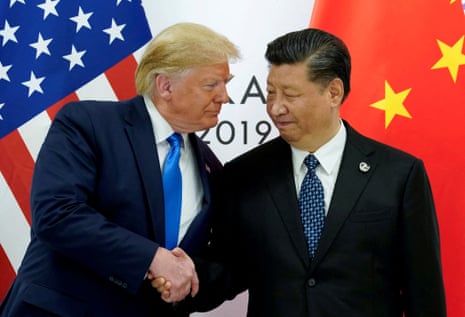
Donald Trump is heading to Beijing for high-stakes talks with Chinese leader Xi Jinping, marking one of the most consequential diplomatic engagements of the current administration. These discussions come at a delicate moment when both nations have achieved what observers describe as a tentative trade truce, yet numerous contentious issues remain unresolved. The meeting represents an opportunity to solidify any agreements already reached while addressing the persistent tensions that have characterized US-China trade relations over recent years.
The timing of this visit is particularly significant given the current global economic landscape. Both countries have expressed interest in maintaining stability, but underlying tensions regarding tariffs, intellectual property, and market access continue to simmer beneath diplomatic pleasantries. Trump's decision to travel personally to Beijing signals the importance the administration places on this relationship, though observers note that substantive progress on trade issues remains uncertain given the divergent economic interests of both nations.
Among the most pressing issues on the agenda is the Taiwan situation, which remains one of the most sensitive topics in US-China relations. Beijing views Taiwan as an integral part of its territory, while the United States maintains official diplomatic ties with Taiwan and provides defensive military assistance to the island nation. Trump's administration has taken varied positions on Taiwan throughout his tenure, and clarifying the US stance on this contentious issue will be crucial during the Beijing talks. The delicate balance between supporting Taiwan's autonomy and maintaining stable relations with mainland China continues to present diplomatic challenges that require careful navigation.
The Iran issue also looms large over these negotiations. China maintains significant economic and strategic interests in Iran, including substantial investments in oil infrastructure and other ventures. The United States, conversely, has pursued a more confrontational approach toward the Iranian government. Finding common ground on Iran policy has proven difficult for both nations, as their respective interests and geopolitical priorities often diverge sharply. This disconnect could become a major sticking point during the summit discussions.
Global supply chains represent another critical dimension of these talks. Both nations have invested heavily in manufacturing and logistics networks that span the world, and disruptions to these systems affect economies far beyond the US and China. The semiconductor industry, rare earth materials, and consumer goods production all depend on stable US-China relations. Trump and Xi will likely discuss how to ensure supply chain resilience while addressing legitimate security concerns each nation holds regarding critical industries and technological dependencies.
The trade truce that has emerged in recent negotiations represents a significant diplomatic achievement, though experts caution that such arrangements remain fragile. Both sides have made concessions—the United States has paused some planned tariff increases while China has committed to increased purchases of American agricultural products and manufactured goods. However, structural issues underlying the trade relationship remain largely unresolved, including disputes over market access, currency manipulation allegations, and concerns about forced technology transfer. These foundational disagreements suggest that even if the current truce holds, deeper tensions may resurface without significant structural reforms.
Domestically, Trump's decision to travel to Beijing has drawn varied reactions from different constituencies. Trade hawks within his administration argue for maintaining pressure on China to achieve more substantial concessions, while business leaders generally welcome any efforts to reduce uncertainty and stabilize commercial relationships. Agricultural representatives, particularly those from farming states, have expressed cautious optimism about increased Chinese purchases of American agricultural products, which could provide meaningful economic relief to rural communities that have suffered during the trade disputes.
International observers are closely watching this summit for signals about the broader trajectory of US-China strategic competition. Beyond trade, the two nations are engaged in technological rivalry, particularly in artificial intelligence, quantum computing, and semiconductor manufacturing. The meeting presents an opportunity to establish clearer boundaries and perhaps agree on rules of engagement in these competitive domains. However, the structural nature of this competition—rooted in divergent political systems and competing visions of global order—suggests that even successful trade negotiations may not resolve these deeper tensions.
The diplomatic preparation for this summit has been extensive, with numerous lower-level officials meeting beforehand to establish frameworks for productive discussion. These preparatory sessions have reportedly identified areas of potential agreement while also clarifying where fundamental disagreements persist. The substantial groundwork suggests that both administrations recognize the importance of ensuring the summit produces tangible results rather than merely serving as a symbolic gesture.
Market reactions to the announcement of this summit have been notably positive, with stock indices rising on the expectation that diplomatic engagement might lead to further trade normalization. However, financial analysts caution that markets may be overestimating the likelihood of achieving major breakthroughs on complex issues that have resisted resolution despite months of negotiations. The fragility of current market sentiment means that any perceived setbacks during the summit could trigger significant volatility in equity and commodity markets.
As Trump prepares for his journey to Beijing, the stakes could hardly be higher for global trade policy and international relations. The outcome of these discussions could determine the trajectory of US-China relations for years to come, with implications extending far beyond bilateral commerce to encompass broader questions about regional stability, technological leadership, and the nature of great power competition in the twenty-first century. Both leaders enter these negotiations understanding that their nations' citizens expect meaningful results from such a significant diplomatic engagement.
This live coverage will continue to update as developments unfold, providing comprehensive analysis of statements, agreements, and diplomatic signals emerging from the summit. Readers seeking the latest information on this crucial diplomatic event can expect detailed reporting on each phase of the discussions, expert analysis of the implications for global markets and international relations, and contextual information about the complex issues at stake in these high-level negotiations between two of the world's most powerful nations.
Source: The Guardian


