
Trump Heads to China for Critical Xi Meeting Amid Iran Crisis

President Trump arrives in Beijing for high-stakes summit with Xi Jinping. Tech leaders Elon Musk and Tim Cook join talks on trade, AI, and Taiwan.
President Donald Trump is preparing for a significant diplomatic mission to China, marking the first visit by a sitting US president to the nation in nearly a decade. The Trump-Xi summit represents a critical moment in international relations, coming at a time when the administration faces considerable challenges stemming from the ongoing conflict in Iran. This high-profile engagement aims to rebuild American influence on the global stage while addressing pressing bilateral concerns between the world's two largest economies.
The presidential delegation will touch down in Beijing on Wednesday evening, carrying with it substantial diplomatic weight and commercial significance. Accompanying Trump on this consequential journey are some of America's most prominent technology executives, including Elon Musk of Tesla and Tim Cook of Apple, signaling the importance of technology and innovation to the agenda. The presence of these tech titans underscores the administration's commitment to engaging China on matters of mutual interest beyond traditional political discourse, potentially opening doors to unprecedented business partnerships and collaborative ventures.
Trump has expressed optimistic confidence about the upcoming encounter with Xi Jinping, famously predicting that China's paramount leader would "give me a big, fat hug when I get there." This casual yet revealing comment reflects the president's negotiating style and his belief in the potential for warm personal relations between himself and Xi. The tone suggests Trump views the relationship as capable of transcending historical tensions and creating opportunities for mutually beneficial arrangements that could reshape the US-China dynamic.
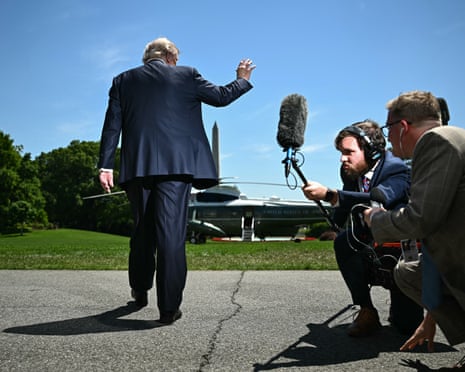
The Beijing summit agenda encompasses multiple critical issues that will require delicate negotiation and strategic thinking from both sides. Trade relations remain a primary focal point, with the potential for significant agreements that could affect global commerce and market stability. The discussion of artificial intelligence capabilities and development represents another crucial dimension, as both nations race to establish technological dominance in this transformative field. Additionally, the status of Taiwan will inevitably feature prominently in conversations, given its geopolitical significance and the complex history surrounding the island's relationship with mainland China.
The timing of this visit carries particular weight given the Iran war situation that has consumed significant American military and diplomatic resources. The conflict has reportedly strained the administration's ability to project power and maintain international credibility, prompting the need for strategic realignment and renewed focus on great power competition. By engaging directly with China at the highest levels, Trump seeks to demonstrate American resolve and the capacity to manage multiple international challenges simultaneously, while potentially securing Chinese cooperation or neutrality on various global issues.
Trade negotiations are expected to dominate much of the discussion, with both nations seeking to address long-standing grievances and tariff disputes. The administration has signaled its intention to reach landmark trade deals that could reshape the bilateral economic relationship and provide symbolic victories for both sides. These negotiations will likely address intellectual property rights, market access, and technology transfer agreements that have been points of contention in previous administrations. The involvement of tech leaders suggests that specific industry-focused agreements may emerge from these high-level talks.
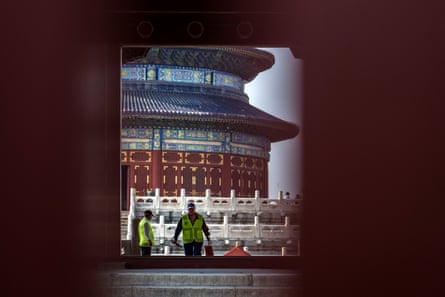
Artificial intelligence has become an increasingly central concern for both American and Chinese policymakers, and AI cooperation may represent a breakthrough area for collaboration. Both nations recognize the transformative potential of artificial intelligence technologies and the implications for economic competitiveness and military capabilities. The presence of technology executives from leading AI-focused companies suggests concrete discussions about research collaboration, ethical standards, and commercial applications may take place. These conversations could potentially establish frameworks for responsible AI development that benefit both nations while maintaining security considerations.
The question of Taiwan presents perhaps the most sensitive aspect of the summit agenda. The island's status remains a fundamental point of disagreement between Washington and Beijing, with the United States committed to maintaining Taiwan's democratic autonomy while China views reunification as an eventual inevitability. Taiwan relations and cross-strait issues will require careful diplomatic handling, as neither side wishes to escalate tensions while seeking productive engagement. Trump's approach to this historically thorny issue will be closely watched by regional allies and international observers concerned about stability in East Asia.
The Iran conflict casts a notable shadow over these proceedings, serving as a backdrop that influences Chinese calculations and American priorities. The United States has committed substantial resources to the Middle Eastern theater, and Trump's desire to reduce American overseas commitments may create openings for Chinese strategic advantage in other regions. Conversely, China may seek to use its leverage on various international issues as a bargaining chip in broader negotiations with the Trump administration. The geopolitical balance of power continues to shift, with both nations maneuvering for strategic advantage across multiple theaters.
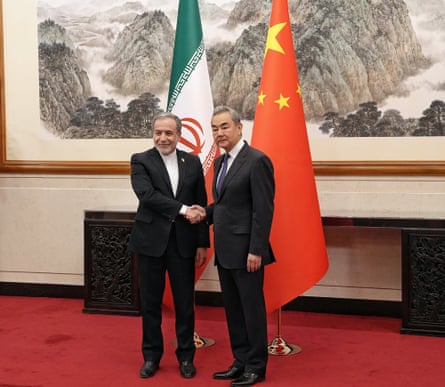
The business community in both nations watches these developments with keen interest, understanding that outcomes from the summit could have far-reaching implications for corporate operations, supply chains, and investment flows. American companies operating in China and Chinese enterprises with significant US market exposure stand to benefit or suffer based on the tenor and outcomes of these negotiations. The presence of major tech leaders suggests that specific sectoral agreements affecting everything from smartphone manufacturing to cloud computing services may emerge from the talks. These commercial dimensions add practical significance to what might otherwise be purely diplomatic exercises.
International observers and regional allies are paying close attention to how Trump approaches this summit and what messages emerge regarding American commitment to Asia-Pacific stability. Japan, South Korea, and other regional partners have expressed concerns about potential shifts in American strategic priorities, particularly if Washington reduces its regional military presence. The summit offers an opportunity for Trump to clarify American intentions regarding continued engagement in Asia and commitment to existing security arrangements with traditional allies. How these messages are communicated will influence regional confidence in American leadership and strategic consistency.
The success or failure of the Trump-Xi meeting will reverberate across global markets, international relations, and domestic political landscapes on both sides. Markets have shown sensitivity to rhetoric and outcomes from US-China negotiations, with investors seeking clarity on trade policies and economic relationships. The technical details of any agreements, combined with the broader tone established by the leaders, will shape expectations for years of future engagement. Both Trump and Xi have strong domestic constituencies to satisfy, adding another layer of complexity to negotiations that must balance international pragmatism with national political imperatives.
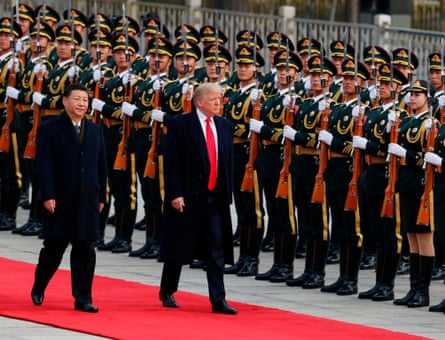
Looking forward, this summit represents a potential inflection point in US-China relations, offering the possibility of establishing new patterns of engagement and cooperation while managing inevitable areas of disagreement. The outcomes will likely influence how both nations approach other international issues, from trade multilateralism to technology standards to regional security concerns. As Trump seeks to rebuild American prestige damaged by the ongoing Iran conflict, a successful Beijing visit could provide the symbolic and substantive victories needed to demonstrate continued American leadership and diplomatic effectiveness on the world stage.
Source: The Guardian


