
Trump: Iran Ceasefire on 'Life Support'

President Trump rejects Iranian peace proposals and considers restarting naval escorts in Strait of Hormuz amid escalating tensions.
In a significant escalation of diplomatic tensions, US President Donald Trump has declared that the fragile ceasefire with Iran is critically endangered, describing it as existing on "life support" as negotiations continue to deteriorate. The stark assessment comes amid a series of increasingly confrontational statements from the Trump administration regarding Iran's ongoing blockade of one of the world's most strategically important maritime passages.
Trump has indicated his willingness to pursue more aggressive military strategies, including the potential resumption of US Navy escorts for commercial vessels navigating through the Strait of Hormuz. This critical waterway, through which approximately one-third of global seaborne traded oil passes daily, has become a flashpoint in the deteriorating relationship between Washington and Tehran. The proposed military escorts represent a significant shift toward direct intervention to counter what the Trump administration characterizes as an illegal Iranian blockade affecting international commerce.
The American president has taken a dismissive stance toward Iran's peace proposals, characterizing them as fundamentally flawed and lacking any serious diplomatic merit. Trump flatly rejected suggestions that domestic political pressure or international criticism was influencing his hardline position on negotiations with Tehran. His combative rhetoric suggests little room for compromise in the coming weeks, raising concerns among international observers about the potential for military escalation in the volatile Middle East region.

The deteriorating state of the Iran-US ceasefire represents a dramatic reversal from earlier optimism about de-escalation efforts. Just months ago, both sides had expressed cautious hope about the possibility of establishing more stable relations through dialogue and confidence-building measures. However, this recent turn of events underscores the deep mistrust and fundamental disagreements that continue to plague bilateral negotiations between the two nations.
Trump's explicit consideration of naval operations in the Strait of Hormuz echoes similar interventions undertaken during his first administration, when tensions with Iran reached critical levels. The strategy involves positioning US military vessels alongside commercial shipping to deter Iranian attempts at interdiction or interference with maritime traffic. Such operations carry inherent risks of direct military confrontation and could potentially trigger broader regional instability if miscalculations occur.
The Iranian government has maintained that its actions in the Strait of Hormuz are legitimate responses to what it views as hostile US policies and economic sanctions. Tehran argues that its maritime activities represent necessary defensive measures to protect its national interests and regional security. These competing narratives underscore the fundamental disconnect between Washington and Tehran regarding the legitimacy and legality of each side's actions.
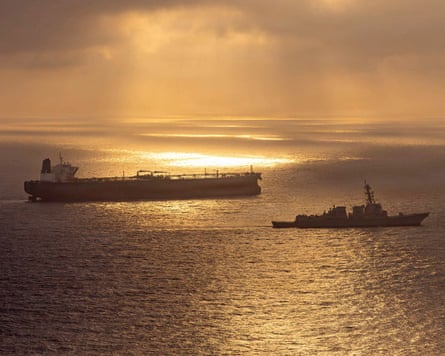
Economic implications of the escalating tensions extend far beyond the immediate region, affecting global oil markets and international commerce. Any disruption to shipping through the Strait of Hormuz would have cascading effects on energy prices worldwide and could impact the economic recovery efforts of nations dependent on Middle Eastern petroleum exports. Insurance costs for vessels transiting the waterway have already increased due to elevated risk assessments by maritime insurers.
The Trump administration's approach to the Middle East crisis reflects a broader strategic philosophy that emphasizes military strength and economic pressure as primary negotiating tools. Rather than pursuing extended diplomatic engagement, the administration appears committed to coercive strategies designed to force Iranian compliance with American demands. This confrontational approach contrasts sharply with the multilateral diplomatic frameworks favored by international partners and previous US administrations.
International observers and regional experts have expressed growing concerns about the trajectory of US-Iran relations under Trump's current leadership. Many fear that the hardline rhetoric and military posturing could inadvertently trigger unintended escalation or miscalculation. Diplomatic channels remain open, but the increasingly hostile tone from both sides suggests that meaningful progress toward resolution remains elusive in the near term.
The fate of the ceasefire agreement now appears to depend on whether either side demonstrates willingness to modify its positions substantially. Current indications suggest little room for compromise, with both Washington and Tehran maintaining firm stances on core issues including sanctions relief, nuclear programs, and regional security concerns. Without meaningful movement on these fundamental disputes, the ceasefire framework will likely continue deteriorating despite international diplomatic efforts to preserve it.
As the situation continues to evolve, the international community watches closely for any signs of de-escalation or further military buildups. The potential for direct military engagement between American and Iranian forces remains a genuine concern for regional stability and global security. Trump's explicit consideration of naval escorts signals a willingness to take concrete military action, transforming previously abstract threats into operational plans with serious implications for all parties involved in the Middle Eastern geopolitical landscape.
Source: The Guardian


