
Trump Issues Iran Ultimatum as Nuclear Talks Stall

Trump warns time is running out for Iran negotiations as peace talks show signs of deterioration. US accused of failing to offer concrete concessions.
Former President Donald Trump escalated rhetoric toward Iran on Monday, warning that the clock is ticking for the Islamic Republic to reach a diplomatic breakthrough in ongoing nuclear negotiations. The stern warning comes as international mediators report that peace progress between Washington and Tehran has stalled, with neither side appearing willing to make significant concessions in the near term.
According to reports from Iranian state media outlets, the United States has failed to deliver meaningful and concrete concessions in response to Tehran's most recent diplomatic proposals submitted during the latest round of indirect talks. The Iranian government had presented what officials characterized as a comprehensive package of measures aimed at de-escalating tensions and moving negotiations forward, but officials in Tehran claim the American response has been insufficient and lacking in substantive commitments.
The deterioration in nuclear negotiations represents a significant setback for international diplomatic efforts that have been ongoing for several months. Multiple rounds of talks, conducted through intermediaries due to the absence of direct diplomatic channels between the two nations, had previously shown modest signs of progress. However, the current impasse suggests that fundamental disagreements remain on key issues including sanctions relief, nuclear enrichment levels, and verification mechanisms.
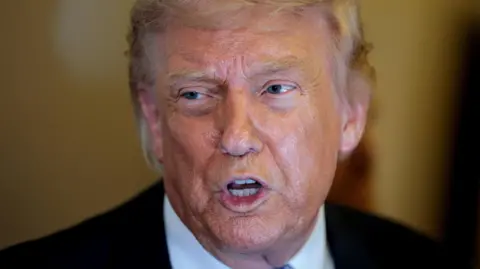
Trump's increasingly aggressive stance reflects growing frustration within his camp regarding what officials view as inadequate progress in the Iran nuclear dispute. The former president has consistently taken a harder line on Iran compared to the Biden administration, advocating for maximum pressure tactics and expressing skepticism about the viability of sustained diplomatic engagement. His latest comments suggest he may be preparing to escalate pressure campaigns if negotiators cannot achieve breakthrough results in coming weeks.
The situation underscores the complexity of US-Iran relations, which have been characterized by decades of mutual mistrust and competing strategic interests in the Middle East. Previous attempts at diplomatic normalization, including the Joint Comprehensive Plan of Action negotiated under the Obama administration, have ultimately collapsed amid accusations of bad faith from both parties. The current round of negotiations represents another attempt to bridge fundamental differences between the two adversaries.
Iranian officials have expressed frustration with what they characterize as unrealistic American demands and a persistent refusal to provide guarantees that any agreement will be honored by future administrations. Tehran has indicated that without tangible evidence of good faith from Washington, including preliminary sanctions relief measures, further negotiations may prove futile. This position reflects legitimate concerns stemming from the previous administration's withdrawal from the JCPOA without offering alternative frameworks for resuming diplomatic relations.
The stalled negotiations occur against a backdrop of heightened regional tensions involving Israeli-Iranian proxy conflicts and increased military posturing in the Persian Gulf. Multiple incidents over the past year, including drone attacks on commercial shipping and military installations, have raised concerns about the potential for wider conflict. Many international observers worry that without successful diplomatic engagement, the region faces increased risks of military confrontation that could have devastating consequences for global stability and energy markets.
Experts analyzing the current diplomatic impasse point to several structural factors that continue to impede progress. The absence of direct communication channels means that misunderstandings can easily escalate, and both sides appear to harbor deep skepticism about the other's intentions. Additionally, domestic political considerations in both countries create pressures on negotiators, with hardliners on each side viewing any compromise as betrayal of national interests.
The timeline implied by Trump's warning suggests that decision-makers in Washington may be preparing contingency plans should diplomatic efforts fail to produce results. Historical precedent indicates that threats of escalating pressure are often precursors to more aggressive policy measures, potentially including enhanced sanctions regimes or military demonstrations of force. Such escalation could fundamentally alter the trajectory of Middle Eastern geopolitics and impact global markets already vulnerable to supply chain disruptions.
International partners have expressed concern about the deteriorating diplomatic environment and have appealed to both sides to demonstrate renewed commitment to finding mutually acceptable solutions. European nations that have attempted to serve as intermediaries in past negotiations have warned that further breakdown in diplomatic engagement serves no party's interests. The United Nations has similarly called for restraint and constructive dialogue, though the organization's influence over the situation remains limited given geopolitical divisions among permanent Security Council members.
Looking forward, observers suggest that breakthrough progress would require significant movement from both sides on fundamental issues. The United States would likely need to provide concrete assurances regarding sanctions relief and longer-term relationship normalization, while Iran would need to accept more rigorous international monitoring of nuclear facilities and commit to verifiable limits on enrichment activities. Without such mutual concessions, current trajectories suggest the negotiations may simply continue in their current deadlocked state or collapse entirely.
Trump's rhetoric reflects a broader frustration with what many analysts describe as the limited effectiveness of traditional diplomatic channels when dealing with actors perceived as fundamentally irrational or ideologically opposed to compromise. This perspective shapes the approach favored by hardline advisors who advocate for applying maximum pressure while simultaneously keeping military options visible. Whether this strategy ultimately proves more effective than sustained diplomatic engagement remains a contentious question among policy experts and international relations scholars.
The coming weeks will likely prove critical in determining whether current diplomatic deadlock represents merely a temporary impasse or a more fundamental failure of negotiating frameworks. Both sides face internal pressures that may limit their flexibility, and international observers remain uncertain whether either government possesses sufficient domestic political latitude to make the compromises necessary for agreement. As Trump's deadline rhetoric intensifies, all parties appear to be positioning themselves for potential confrontation rather than resolution.
Source: BBC News


