
Trump Issues Ultimatum to Iran: 'Clock is Ticking'

President Trump warns Iran to accelerate peace negotiations or face severe consequences. UAE reports drone attack on nuclear facility amid regional tensions.
Good morning. The geopolitical landscape surrounding Iran nuclear negotiations has intensified significantly as US President Donald Trump publicly escalated pressure on the Iranian government to accelerate stalled peace talks. Trump's forceful rhetoric reflects growing frustration with the prolonged diplomatic impasse and signals a potential shift toward more aggressive posturing in Middle Eastern affairs.
In a stark warning posted across social media platforms, Trump declared that Iran peace deal discussions are reaching a critical juncture. "For Iran, the Clock is Ticking, and they better get moving, FAST, or there won't be anything left of them. TIME IS OF THE ESSENCE!" the president stated, underscoring the gravity of his administration's position on the matter. The rhetoric carries unmistakable implications about the potential consequences should negotiations fail to progress as the administration desires.
This pronouncement comes amid a broader pattern of Trump administration pressure on Tehran, reflecting the administration's belief that urgency and economic leverage remain the most effective tools in compelling Iranian leadership to make concessions at the negotiating table. The statement signals that Washington's patience with the current diplomatic process is wearing thin and that more drastic measures may be contemplated if progress stalls further.
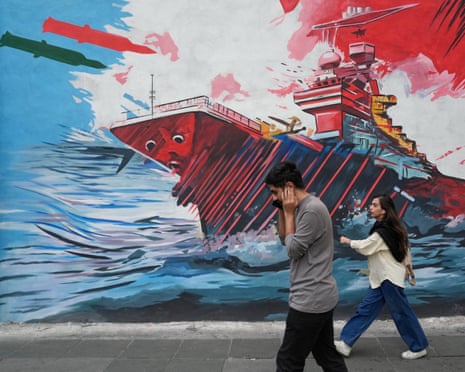
Regional tensions escalate as the United Arab Emirates has officially blamed a fire incident near its Barakah nuclear power plant on a drone attack allegedly launched by Iran or one of its affiliated proxy forces. The UAE characterized this incident as a "dangerous escalation" that threatens regional stability and raises serious concerns about nuclear security in the Persian Gulf region. The attack, if confirmed as originating from Iranian sources, represents a dangerous escalation in the shadow conflict that has defined the region's power dynamics.
The connection between the alleged drone strike and the ongoing peace negotiations adds another layer of complexity to an already fragile diplomatic situation. The timing of the incident, coinciding with Trump's ultimatum, suggests that military posturing and diplomatic messaging are being employed simultaneously as part of a broader strategy to pressure Iran's decision-making apparatus. Such coordinated pressure campaigns have historically proven either effective in compelling concessions or counterproductive in hardening opposing positions, depending on various contextual factors.
The UAE nuclear facility incident raises important questions about the vulnerability of critical infrastructure in the region and the willingness of Iranian-backed actors to engage in increasingly provocative military actions. The reported drone attack, whether confirmed or suspected, represents exactly the type of escalatory spiral that international observers have long feared could undermine diplomatic progress and trigger broader regional conflict.

Meanwhile, domestic political dynamics in the United States reveal significant internal divisions regarding Iran policy and broader foreign affairs strategy. Congressman Thomas Massie has emerged as a consistent and vocal critic of Trump administration positions, establishing himself as what some describe as Trump's primary nemesis within Republican circles. Massie's contrarian voting record and principled stands on constitutional matters have created considerable friction with the current administration.
Massie's opposition to Trump's signature legislative initiatives demonstrates the depth of their philosophical disagreement. He voted against the administration's tax and spending cuts bill, a position that angered Trump loyalists who viewed the vote as a betrayal of party priorities. Beyond budgetary matters, Massie has been instrumental in pushing for congressional transparency regarding the Jeffrey Epstein files, forcing the justice department to release previously restricted documents against administration preferences.
The Kentucky congressman has also distinguished himself through his insistence on maintaining robust congressional oversight of military actions in sensitive regions. His demands for legislative scrutiny over military operations in Venezuela and Iran represent a fundamental difference in constitutional philosophy between Massie and the Trump administration. These recurring points of conflict have established Massie as an independent voice willing to challenge executive power, regardless of party affiliation.
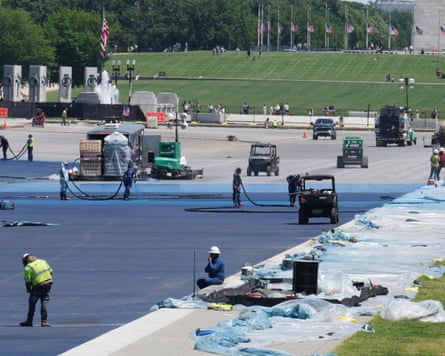
The consequences of Massie's contrarian stance are now materializing in the political arena, where he faces a formidable primary challenge backed by Trump's substantial political machinery. Ed Gallrein, the Trump-endorsed challenger, represents a direct threat to Massie's congressional seat and reflects the former president's demonstrated willingness to target perceived disloyalty within Republican ranks. This primary battle exemplifies the broader struggle within the Republican Party between traditional constitutional conservatism and more executive-power-focused Trumpism.
The bruising primary contest between Massie and Gallrein carries implications far beyond Kentucky's congressional district. The race serves as a bellwether for Trump's continuing influence over Republican Party politics and his capacity to reshape the party through primary challenges targeting opponents of his vision. Should Gallrein succeed in defeating Massie, it would signal that Trump's political machine remains potent and that independent voices within the Republican caucus face significant electoral risk.
As Iran nuclear diplomacy continues to languish amid mutual accusations and mounting tensions, the administration's domestic political challenges may further complicate America's ability to project unified messaging on critical foreign policy issues. The convergence of Trump's aggressive Iran ultimatum and his simultaneous campaign against internal critics suggests a broader pattern of escalating pressure on multiple fronts simultaneously.

The evolving situation underscores the complex interconnectedness of domestic politics and international relations. Trump's ultimatum to Iran cannot be fully understood in isolation from his ongoing battles with Republican critics like Massie, as both reflect broader strategic calculations about power, pressure, and the willingness to escalate confrontations to achieve desired outcomes. Whether this multifaceted pressure campaign ultimately proves effective in advancing American interests remains an open question that will likely define the trajectory of the coming months.
Source: The Guardian


