
Trump Lifts Whisky Tariffs Following Royal Visit

President Trump announces relief on Scotland whisky tariffs, enabling Kentucky collaboration. Details on trade policy shift affecting bourbon and scotch industries.
In a significant development for the transatlantic trade relationship, President Trump has announced plans to remove certain whisky tariffs that have long hindered collaboration between Scotland's distillery sector and Kentucky's bourbon industry. The decision comes in the wake of a high-profile royal visit, signaling a potential thaw in trade tensions between the United States and the United Kingdom.
The president's proclamation targets restrictions on scotch whisky exports and the associated tariffs that have complicated business dealings between Scottish distillers and American bourbon producers. By lifting these barriers, the administration aims to facilitate enhanced partnership opportunities and trade flows between the two regions, which have historically maintained strong cultural and economic ties through the spirits industry. This move represents a notable shift in the trade policy landscape that has been shaped by previous tariff disputes.
The restrictions that are being lifted have been a point of contention between the United States and Scotland for several years. Scotland whisky tariffs were implemented as part of broader trade disagreements, creating significant challenges for Scottish exporters attempting to maintain their presence in American markets. The tariffs particularly impacted smaller distilleries that rely heavily on North American sales, with some operators reporting substantial revenue declines due to the increased costs passed on to consumers.
Kentucky, the heart of American bourbon production, stands to benefit substantially from the tariff relief announced by the administration. The state's distillers have expressed interest in strengthening partnerships with Scottish counterparts, including collaborative whisky production ventures and shared expertise in aging and blending techniques. These partnerships could lead to innovative products that combine the best of both regions' whisky-making traditions, potentially opening new market segments and consumer experiences.
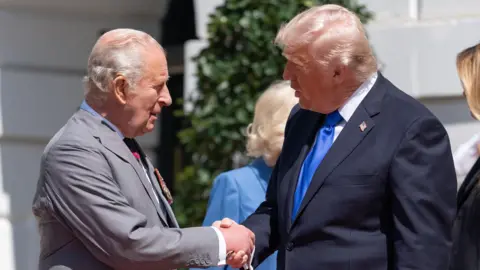
The announcement underscores the importance of the royal visit in opening diplomatic channels and creating opportunities for trade policy recalibration. Such high-level engagements between governments often provide the platform necessary for discussing and resolving longstanding commercial disputes. The timing of this tariff relief suggests that the administration is prioritizing stronger relationships with key international allies, particularly those with which the United States shares deep historical and cultural bonds.
Industry analysts have responded positively to the news, noting that bourbon and scotch collaboration could generate significant economic benefits for both regions. The combined expertise of Kentucky bourbon makers and Scottish whisky producers represents a formidable force in the global spirits market, which has seen growing demand for premium and craft distilled beverages. Market observers suggest that unrestricted trade between these regions could lead to increased innovation and competition that ultimately benefits consumers through enhanced product quality and variety.
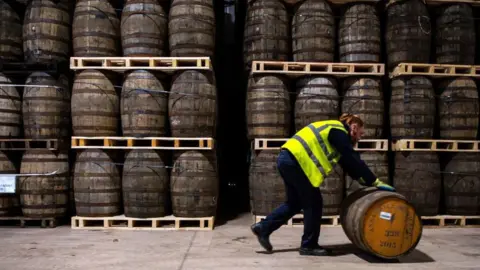
The trade policy shift comes at a time when both the American and Scottish governments have been exploring ways to strengthen bilateral economic relationships. Previous tariff disagreements stemming from broader international trade disputes had created friction in this sector, with both producers and government officials expressing frustration over the barriers to commerce. The removal of these restrictions signals a commitment to finding pragmatic solutions that benefit businesses and consumers on both sides of the Atlantic.
Scotland's economy stands to gain considerably from improved market access to the United States, the world's largest spirits market. Scotch whisky remains one of Scotland's most valuable exports, generating billions in annual revenue and supporting thousands of jobs across the country. The tariff relief removes a significant impediment to growth and allows Scottish distilleries to operate on a more level playing field when competing for American consumer preference.
The decision also reflects broader geopolitical considerations in the transatlantic relationship. By demonstrating a willingness to address trade grievances through dialogue and negotiation, the administration is sending a message about its commitment to strengthening alliances and fostering mutually beneficial commercial arrangements. This approach stands in contrast to some of the more confrontational trade policies pursued in previous periods, suggesting a recalibration toward more collaborative international commerce.

Whisky producers in both regions have expressed enthusiasm about the prospects for enhanced collaboration. Joint ventures between Scottish and American distilleries could facilitate knowledge transfer, enable access to new distribution networks, and create products that appeal to increasingly sophisticated consumer palates. The potential for Kentucky and Scotland partnership in whisky production represents an exciting opportunity for industry growth and innovation that had been constrained by the previous tariff regime.
The broader implications of this tariff relief extend beyond just the spirits industry. It demonstrates that the administration is willing to engage in targeted trade policy adjustments when strategic interests align with economic benefits. This approach could provide a template for resolving other trade disputes and sectoral tensions that have accumulated over recent years, potentially opening pathways for addressing other areas of disagreement between trading partners.
Looking ahead, stakeholders in both the Scottish and Kentucky whisky industries will likely work to capitalize on this newfound opportunity. Trade associations representing distillers are expected to explore initiatives that leverage the tariff relief, including potential joint marketing campaigns, collaborative production facilities, and enhanced educational and cultural exchanges. The removal of these barriers represents a turning point that could reshape the competitive landscape of the global premium spirits market for years to come.
The announcement serves as a reminder of the critical role that international trade policy plays in shaping industry competitiveness and economic growth. By removing the tariffs that had hindered transatlantic commerce in this important sector, the administration has opened new possibilities for producers and created opportunities for consumers to benefit from enhanced product innovation and availability. The decision reflects a recognition that well-designed trade policy should facilitate commerce rather than obstruct it, particularly among allies with shared economic interests and values.
Source: BBC News


