
Trump Meets Xi in Beijing: Historic Two-Day Summit

President Trump arrives in Beijing for high-stakes diplomatic summit with President Xi Jinping. Explore the key moments and significance of this crucial meeting.
President Donald Trump touched down in Beijing for a landmark two-day diplomatic summit with Chinese President Xi Jinping, marking a significant moment in U.S.-China relations. The visit represented a carefully orchestrated showcase of bilateral engagement between the world's two largest economies, with both leaders keen to demonstrate their commitment to dialogue despite ongoing trade tensions and geopolitical complexities. The summit was characterized by elaborate ceremonial protocols and formal state functions, reflecting the diplomatic weight both nations attached to the proceedings.
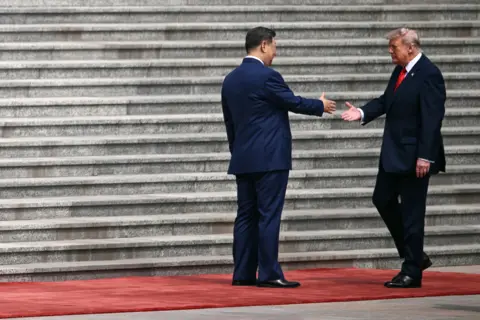
Xi Jinping extended a formal and ceremonial welcome to the American President, with the Chinese leader personally greeting Trump upon his arrival at the airport. The greeting reflected the protocol reserved for state visits of significant importance, demonstrating China's desire to emphasize the strategic nature of the meeting. The welcoming ceremony included full honors typically reserved for heads of state, with military personnel lining the arrival area and traditional ceremonies marking the occasion.
Throughout the whirlwind two-day itinerary, Trump was presented with an extensive schedule of official meetings and bilateral discussions designed to address critical issues affecting both nations. The agenda encompassed trade negotiations, security concerns, technological cooperation, and regional stability matters that have long been contentious points between Washington and Beijing. Senior officials from both administrations participated in the discussions, signaling the comprehensive nature of the engagement and the breadth of topics under consideration.
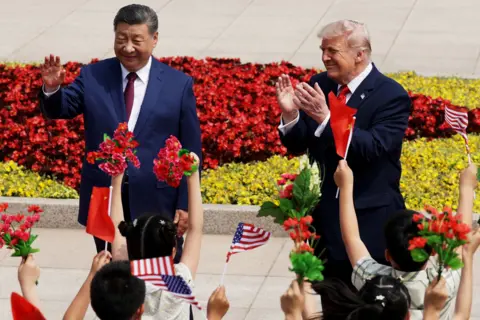
The state visit provided an opportunity for both leaders to engage in direct dialogue on matters of mutual concern and shared interest. Trump's presence in Beijing underscored the importance the United States placed on maintaining communication channels with China despite their complex relationship. The visit represented an effort to move beyond rhetoric and establish concrete diplomatic pathways for resolving contentious issues affecting both nations and the global economy.
Visual documentation of the summit revealed carefully choreographed moments designed to convey messages of cooperation and respect. Photographs captured the formal dynamics between the two leaders, their delegations, and the elaborate state ceremonies that characterized the visit. These images served as powerful symbols of the diplomatic engagement, broadcast globally to demonstrate the nature and scope of U.S.-China relations at this pivotal moment.
The bilateral meetings included discussions on trade imbalances, intellectual property concerns, and economic cooperation between the two nations. Both sides brought their key economic advisors to the negotiating table, indicating the seriousness with which both administrations approached the economic dimensions of their relationship. The talks represented an attempt to find common ground on issues that had previously led to tariffs and trade disputes affecting global markets.
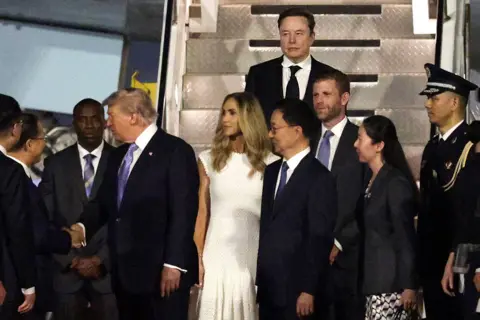
Beyond economic matters, the summit addressed security concerns and regional stability issues, particularly regarding tensions in the South China Sea and the Korean Peninsula. Military and defense officials from both nations participated in separate discussions focused on maintaining stability and preventing misunderstandings that could escalate tensions. These conversations represented critical channels for managing great power competition in a responsible manner that prioritized stability over confrontation.
The visit also encompassed cultural and ceremonial elements that provided context for the broader diplomatic agenda. State dinners and formal receptions offered informal moments for the leaders and their teams to build personal rapport alongside their official discussions. These social dimensions of diplomacy often played an underappreciated role in establishing the trust and understanding necessary for productive negotiations on contentious issues.
Xi Jinping's hosting of Trump demonstrated China's commitment to high-level engagement with the United States despite fundamental disagreements on various policy matters. The elaborate ceremonial welcome and comprehensive agenda reflected Beijing's understanding of the importance of maintaining communication with Washington. The summit served as a reminder that even amid competition and strategic divergence, direct dialogue remained essential for managing the relationship responsibly.
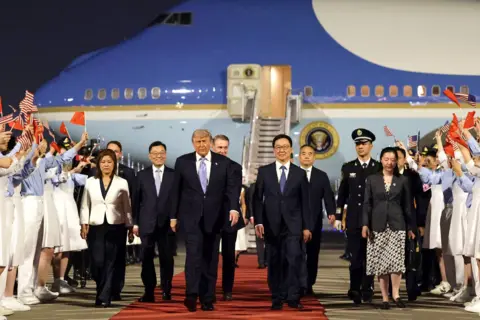
Throughout the two-day diplomatic engagement, both leaders emphasized their desire to maintain communication and work toward mutually beneficial outcomes. The statements released by both administrations following the summit highlighted areas of potential cooperation while acknowledging persistent disagreements. This balanced approach reflected the complex nature of U.S.-China relations, where competition and cooperation coexisted as defining characteristics of the relationship.
The visual record of the summit captured the full spectrum of diplomatic activity, from formal state ceremonies to working sessions between officials. Photographers documented the key moments and interactions, creating a comprehensive visual narrative of the visit. These images would subsequently circulate globally, shaping international perceptions of the U.S.-China relationship and the tenor of bilateral engagement at this critical juncture.
Trump's visit to Beijing represented a significant moment in modern international diplomacy, demonstrating that despite deep disagreements on multiple fronts, the two leading world powers remained committed to dialogue. The summit provided both leaders with an opportunity to convey their respective national interests while exploring pathways toward constructive engagement. As the world's two largest economies navigated an increasingly complex international environment, summits such as this served as critical venues for managing their relationship and exploring possibilities for cooperation.
Source: BBC News


