
Trump Mobile Data Breach Exposes Customer Personal Information

Trump Mobile admits to security breach exposing customer home addresses and phone numbers. Learn what happened and how to protect yourself.
Trump Mobile, a wireless service provider, has confirmed a significant data breach that exposed sensitive customer information to the public. The company acknowledged the security incident after multiple users discovered their personal details were accessible without authorization on the internet. The exposed data included critical information such as home addresses, phone numbers, and other personally identifiable information that could expose customers to various security risks.
The discovery of this customer data exposure represents a serious vulnerability in the company's cybersecurity infrastructure. Users began reporting their findings across social media and online forums, alerting the public to the unauthorized access of their private information. Trump Mobile subsequently admitted to the incident, acknowledging that the breach had compromised the security of their customer database. This incident highlights the ongoing challenges that telecommunications companies face in protecting sensitive consumer information from cyber threats.
The nature of the exposed information makes this breach particularly concerning for affected customers. Home addresses and phone numbers are fundamental pieces of personal data that can be weaponized for various fraudulent activities, including identity theft, harassment, and targeted scams. The public accessibility of this information meant that anyone with an internet connection could potentially locate and misuse the data. Such breaches can have long-lasting consequences for consumers, requiring them to implement additional security measures and remain vigilant against potential follow-up attacks.
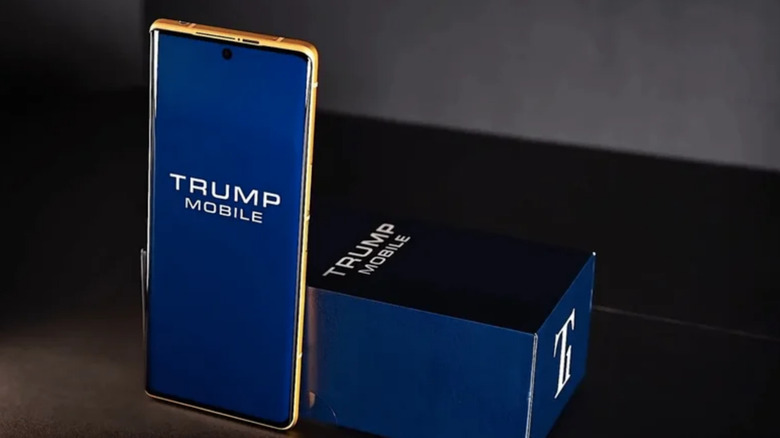
Trump Mobile's response to the breach came only after public discovery, raising questions about the company's security monitoring capabilities. The reactive nature of the admission suggests that the company did not detect the vulnerability through its own internal security protocols. This gap in security awareness underscores the importance of proactive cybersecurity measures and continuous monitoring of customer databases. Companies operating in the telecommunications sector handle some of the most sensitive personal information available, making robust security practices essential.
The incident raises broader concerns about data protection standards across the wireless industry. Telecommunications providers are entrusted with vast amounts of customer information, including contact details, location data, and billing information. When these companies fail to adequately secure this data, it places millions of consumers at risk. Industry experts have long advocated for stronger data protection regulations and mandatory security audits to prevent such breaches. This incident with Trump Mobile demonstrates that even established service providers can experience significant security failures.
Customers affected by this breach face several important steps they should consider taking immediately. First, they should monitor their credit reports and financial accounts for any suspicious activity that might indicate identity theft or fraud. Second, they may want to place fraud alerts or credit freezes with the major credit bureaus to prevent unauthorized access to credit. Third, victims should remain cautious about unexpected communications or offers that reference their personal information. These preventative measures can help minimize potential damage from the exposed data.
Legal and regulatory implications are likely to follow this cybersecurity incident. Depending on the jurisdiction, Trump Mobile may face investigations from regulatory agencies and potential enforcement actions. Affected customers may also pursue legal remedies through class action lawsuits or individual claims. The Federal Trade Commission and state attorneys general typically investigate such breaches to determine whether companies violated consumer protection laws. The company's handling of the incident and its transparency with customers could significantly influence regulatory responses.
The breach underscores the critical importance of implementing advanced security technologies and best practices throughout an organization. Modern data security requires multi-layered protection strategies, including encryption, access controls, regular security audits, and employee training. Companies must also maintain robust incident response plans that enable rapid detection and containment of security breaches. In this case, the delay in discovering the vulnerability suggests that Trump Mobile's security infrastructure may have had significant gaps that need to be addressed.
Industry observers have noted that telecommunications companies have historically been targets for cyberattacks due to the value of customer data. Hackers and malicious actors specifically target these companies because they maintain comprehensive databases containing millions of individuals' personal information. The exposed data from this breach could potentially be sold on dark web marketplaces or used for various criminal purposes. This reality makes it imperative for telecommunications providers to invest heavily in security measures and maintain constant vigilance against threats.
Trump Mobile's statement regarding the breach will likely be scrutinized closely by privacy advocates and consumer protection organizations. The details of their explanation—including how long the data was exposed, how the vulnerability occurred, and what steps they are taking to prevent future incidents—will be crucial for assessing the company's accountability. Transparency in such situations helps maintain consumer trust and demonstrates commitment to protecting customer information. However, the fact that the company only acknowledged the breach after public discovery raises concerns about their dedication to proactive security.
Moving forward, this incident serves as a cautionary tale for all telecommunications providers and technology companies that handle sensitive customer data. The breach demonstrates that even established companies with significant resources can experience serious security failures. Organizations must treat data protection as a fundamental business priority rather than an afterthought. This means allocating sufficient resources to cybersecurity, implementing cutting-edge technologies, conducting regular security assessments, and maintaining a culture of security awareness throughout the organization.
For consumers, this breach reinforces the importance of understanding how their personal information is collected, stored, and protected by service providers. Individuals should regularly review privacy policies, monitor their accounts for suspicious activity, and consider using additional security tools such as credit monitoring services. While consumers cannot entirely control how companies safeguard their data, they can take steps to protect themselves from potential consequences of breaches. The incident with Trump Mobile highlights the ongoing need for both corporate responsibility and individual vigilance in protecting personal information in the digital age.
Source: Engadget


