
Trump Officials Head to Pakistan Amid Iran Negotiations

Trump's envoys Witkoff and Kushner travel to Pakistan for diplomatic talks involving Iran. Iran denies scheduled US meetings despite Foreign Minister's presence in the region.
Trump administration envoys are preparing for a significant diplomatic mission to Pakistan, signaling renewed efforts to engage in Iran negotiations through regional intermediaries. The high-profile delegation, led by key figures in the Trump administration, is expected to arrive in Pakistan as part of broader efforts to address longstanding tensions between the United States and Iran. This diplomatic initiative comes at a critical juncture in international relations, with multiple stakeholders monitoring developments closely.
The planned visit underscores the administration's commitment to pursuing direct and indirect diplomatic channels with Iranian officials through Pakistan, a nation that maintains complex relationships with both the United States and Iran. Pakistan's geographic position and diplomatic influence in South Asia make it an ideal location for shuttle diplomacy and backchannel communications. The involvement of experienced envoys suggests a structured approach to these sensitive negotiations.
However, Iran's Foreign Ministry has provided conflicting statements regarding the nature and scope of these diplomatic contacts. Iran confirmed that Foreign Minister Abbas Araghchi is currently in Pakistan, though Iranian officials have explicitly denied that any formal bilateral meeting between Iranian and American representatives is scheduled to occur. This carefully worded position suggests a complex diplomatic posture, where Iran acknowledges the presence of its senior diplomat while maintaining ambiguity about direct engagement with US officials.
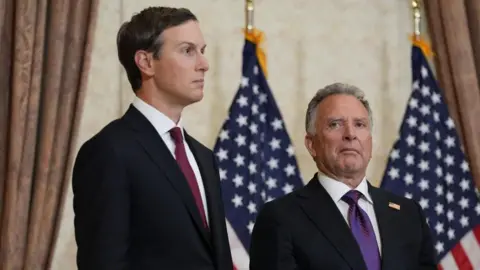
The distinction between what constitutes a formal "meeting" versus other forms of diplomatic engagement has long been a point of semantic debate in international relations. By denying a scheduled meeting while acknowledging Araghchi's presence in Pakistan, Iran may be preserving diplomatic flexibility while avoiding the appearance of capitulation to American pressure. Such nuanced positioning is typical in high-stakes international negotiations where optics matter significantly.
Trump's envoys bring substantial diplomatic experience to this mission, having previously engaged in Middle East peace efforts and complex international negotiations. Their presence signals that the administration views Iran diplomacy as a priority requiring senior-level attention and expertise. The choice of envoys indicates the gravity with which the administration approaches these talks and its commitment to pursuing resolution through established diplomatic frameworks.
Pakistan's role as a neutral ground for these discussions reflects its strategic importance in regional geopolitics. The nation has historically served as a bridge between various international actors, facilitating behind-the-scenes negotiations and maintaining relationships with multiple global powers. Pakistan's government has long sought to position itself as a responsible mediator in regional disputes, and hosting these diplomatic contacts aligns with that broader strategic objective.
The timing of this diplomatic initiative carries significance within broader US-Iran relations, particularly given ongoing tensions over nuclear matters, regional proxy conflicts, and sanctions regimes. American policymakers have traditionally used multiple diplomatic channels when direct negotiations prove difficult, making Pakistan's role as an intermediary location particularly valuable. The use of envoys rather than cabinet-level officials suggests an exploratory approach designed to test the waters before committing to higher-level talks.
Iran's diplomatic response, while denying formal meetings, has not precluded ongoing communication through various channels. The presence of Foreign Minister Araghchi in Pakistan indicates that Tehran is also engaged in active diplomatic positioning, even if it denies direct engagement with American officials. This pattern of simultaneous engagement and denial reflects the complex dance of international diplomacy, where maintaining negotiating room often requires strategic ambiguity.
The broader context of American foreign policy under Trump administration leadership emphasizes direct engagement and bilateral negotiation, often departing from traditional multilateral approaches. The focus on personal relationships and direct communication channels between leaders and their representatives characterizes this administration's diplomatic style. Pakistan provides an ideal venue for this type of personalized, relationship-based diplomacy that values flexible, back-channel communications.
Regional observers and international analysts are closely monitoring these developments, recognizing that any breakthrough in US-Iran diplomacy could have far-reaching implications for Middle Eastern stability. The potential for reducing tensions between these two adversaries carries significant weight for neighboring countries, international commerce, and global security. Pakistan's strategic location and diplomatic relationships position it to benefit from any stabilization resulting from improved US-Iran relations.
The denial of scheduled meetings by Iranian officials should not necessarily be interpreted as a rejection of diplomatic engagement. Rather, it reflects Iran's careful management of its international image and domestic political considerations. Appearing too eager to meet with American officials could invite criticism from hardliners within Iran, making formal denials a necessary component of Iran's diplomatic strategy even as actual engagement occurs through various channels.
This diplomatic mission highlights the enduring importance of bilateral negotiations and direct engagement in resolving international disputes, even in an era of multilateral organizations and formal treaty mechanisms. The willingness of both sides to engage through intermediaries and back-channel discussions suggests that despite public posturing, meaningful dialogue continues. Pakistan's availability as a neutral venue facilitates these conversations while allowing both the United States and Iran to maintain strategic flexibility in their official positions.
The coming weeks and months will reveal whether these diplomatic overtures lead to substantive negotiations or remain exploratory in nature. The success or failure of this mission could set the tone for future US-Iran interactions and influence regional stability in the Middle East. As experienced envoys undertake this sensitive mission, the international community awaits clarity on whether these efforts represent a genuine shift toward negotiated resolution or merely another cycle in the long-running diplomatic tension between these two nations.
Source: BBC News


