
Trump Orders Fossil Fuel Expansion Under Defense Security Claim

President Trump signs executive memos to boost domestic oil, coal, and natural gas production, citing national security and defense readiness concerns.
President Donald Trump has taken decisive action to accelerate domestic fossil fuel production, signing a comprehensive series of executive memos on Monday that position energy expansion as a critical component of national security strategy. The sweeping directive represents a significant escalation in the administration's commitment to traditional energy sources, marking a fundamental shift in how the government approaches energy policy through the lens of defense capabilities and military readiness.
The presidential memos, which build upon Trump's earlier national energy emergency declaration issued on January 20, 2025, invoke the Defense Production Act of 1950 to justify accelerated development of oil production, coal supply chains, and natural gas infrastructure. According to the administration's reasoning, the current supply levels of these critical energy resources are inadequate to meet the nation's defense requirements, presenting what officials characterize as a potential security vulnerability that demands immediate federal intervention and coordinated action across multiple government agencies.
The memos specifically address three pillars of fossil fuel infrastructure: domestic petroleum production and refining capacity, coal supply chains and baseload power generation facilities, and natural gas transmission, processing, storage, and liquefied natural gas capabilities. Each directive targets a different segment of the energy sector, reflecting the administration's comprehensive approach to consolidating energy independence through traditional hydrocarbon sources rather than renewable alternatives or diversified energy portfolios.
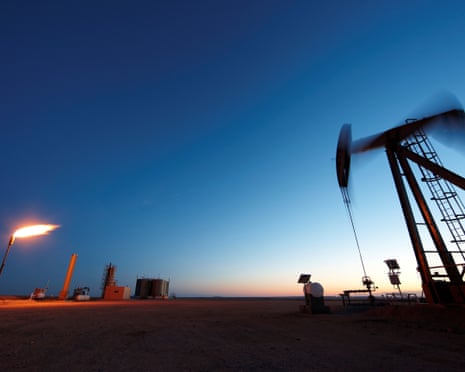
This latest executive action demonstrates Trump's unwavering commitment to prioritizing conventional energy sources as the foundation for American economic and military strength. The administration has framed fossil fuel expansion not merely as an economic initiative, but as an essential element of national defense strategy, arguing that energy independence directly correlates with military readiness and geopolitical stability. By invoking the Defense Production Act, a statute traditionally used during wartime or national emergencies, the Trump administration elevates energy policy to the status of critical military infrastructure.
The invocation of the Defense Production Act represents a notable legal and rhetorical strategy, as this legislation grants the federal government expansive powers to prioritize certain industries during periods deemed critical to national security. While the act has historically been employed during actual military conflicts or acute supply crises, the Trump administration's application to fossil fuel production during peacetime signals a broadened interpretation of what constitutes a national defense emergency. Energy officials within the administration have consistently maintained that reliance on foreign energy sources or inadequate domestic production capabilities creates strategic vulnerabilities that could compromise military operations and economic stability during international crises.
The petroleum production memo addresses concerns about refining capacity and domestic crude oil extraction rates, mandating accelerated development of oil fields and modernization of refinery infrastructure. The coal directive targets the expansion of mining operations and the maintenance of coal-fired power generation facilities, which the administration views as essential for providing reliable baseload electricity independent of weather-dependent renewable sources. The natural gas memo focuses on expanding pipeline networks, processing facilities, and liquefied natural gas export infrastructure, positioning the United States as a major global energy exporter rather than merely meeting domestic consumption needs.
Environmental advocates and climate policy experts have raised significant concerns about the implications of these memos for the nation's climate commitments and long-term environmental sustainability. Critics argue that prioritizing fossil fuel expansion contradicts scientific consensus regarding climate change and accelerates reliance on carbon-intensive energy sources at a time when global temperatures continue rising and extreme weather events increase in frequency and severity. The contrast between this energy policy and the previous administration's emphasis on renewable energy transitions highlights a fundamental philosophical divergence regarding the appropriate energy pathway for the American economy.
The energy emergency declaration that underpins these memos reflects the Trump administration's conviction that domestic energy production capacity directly impacts national competitiveness and security standing. By framing energy policy through a national security lens, administration officials argue they are protecting American interests against potential supply disruptions, geopolitical coercion by hostile nations, or unfavorable market conditions that could disadvantage the United States economically or militarily. This strategic framing has proven effective in mobilizing support among constituencies prioritizing energy independence and traditional economic development.
Implementation of these memos will require coordinated action among multiple federal agencies, including the Department of Energy, Department of Defense, the Environmental Protection Agency, and the Department of the Interior. Regulatory hurdles and permitting processes for new fossil fuel projects may be expedited under the authority granted by these executive memos, potentially accelerating timelines for project approval while potentially reducing environmental review periods. The administration has signaled its intent to reduce regulatory barriers that it characterizes as unnecessary obstacles to rapid energy infrastructure development.
The memos also carry significant implications for international energy markets and American diplomatic relationships. Expanding liquefied natural gas capacity positions the United States to increase energy exports to allied nations, potentially strengthening geopolitical relationships with countries seeking alternatives to Russian or Middle Eastern energy supplies. This export-oriented approach reflects the administration's view of energy as both a domestic economic driver and a tool for advancing foreign policy objectives and strengthening alliances with other nations.
Legal scholars have noted that the application of the Defense Production Act to fossil fuel expansion in peacetime may face legal challenges from environmental groups and civil rights organizations. The constitutional and statutory basis for invoking such expansive federal powers during non-emergency conditions could become a subject of litigation, potentially delaying implementation or resulting in judicial constraints on executive authority in this domain. However, the administration appears confident in its legal footing, having coordinated these actions with White House legal counsel before execution.
The timing of these memos coincides with broader policy initiatives aimed at reducing regulatory burdens across multiple sectors of the economy. The Trump administration has prioritized deregulation as a core governing principle, seeking to streamline approval processes and reduce what it views as excessive federal oversight of business activities. The fossil fuel production memos represent a significant application of this deregulatory philosophy within the energy sector specifically, signaling that project approval timelines may be substantially shortened compared to previous administrative periods.
Energy industry representatives have generally welcomed the memos, viewing them as validation of their sector's strategic importance and a signal that regulatory headwinds impeding project development may diminish. Trade associations representing oil, coal, and natural gas producers have advocated for policies favoring traditional energy development, and these executive actions represent a decisive shift toward their preferred regulatory environment. However, renewable energy advocates argue that this approach represents a misguided investment of public resources and political capital that would be better directed toward clean energy transitions.
The memos also address workforce considerations within the fossil fuel industries, recognizing that expanded production requires adequate labor forces and technical expertise. By positioning energy development as a national security imperative, the administration hopes to attract workers to coal mines, oil fields, and gas processing facilities, countering demographic trends that have seen younger workers gravitate toward other sectors. This workforce dimension adds a regional economic development component to the energy policy framework, particularly affecting coal-dependent communities in Appalachia and oil-producing regions throughout the country.
As these memos move toward implementation, their practical effects will become increasingly evident across multiple sectors of the American economy and in communities directly affected by fossil fuel extraction and processing activities. The coming months will reveal whether the administration's legal strategy succeeds in expediting project approvals and whether industry can mobilize capital and labor resources to realize the expanded production goals outlined in the presidential directives. Whether this approach ultimately strengthens American national security or creates unforeseen economic and environmental costs remains a subject of significant debate among policymakers and experts.
Source: The Guardian


