
Trump Panel Eyes Major Changes to FEMA Disaster Response

Experts warn proposed FEMA reforms could weaken emergency response capabilities during escalating climate crisis. Trump administration targets agency restructuring.
The Federal Emergency Management Agency faces potentially transformative changes as a Trump administration council develops plans that critics argue could significantly diminish the nation's capacity to respond to catastrophic disasters. As climate crisis impacts intensify across the United States, delivering more frequent and severe weather events, emergency management experts are sounding alarms about proposals that could leave the country's primary disaster response coordinator ill-equipped to handle escalating challenges.
Since returning to the White House, President Donald Trump has made restructuring FEMA a priority objective for his second term. The administration has openly criticized the agency for what it characterizes as excessive spending and inadequate performance, describing it as an organization that "doesn't get the job done." This rhetoric has set the stage for sweeping reforms that could fundamentally alter how the agency operates and responds to emergencies across the nation.
The proposed changes represent a dramatic departure from the current operational framework that has guided federal disaster response for decades. Administration officials have indicated that the restructuring effort aims to streamline processes and reduce what they view as bureaucratic inefficiencies. However, experienced emergency management professionals and disaster response coordinators worry that these cost-cutting measures could create dangerous gaps in preparedness and response capabilities when Americans need them most.
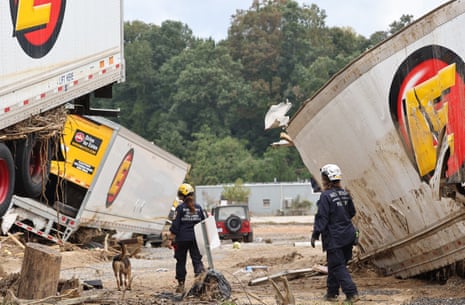
The timing of these proposed reforms raises particular concerns among climate scientists and disaster preparedness experts. The extreme weather patterns driven by the climate crisis have become more unpredictable and intense, with communities experiencing record-breaking hurricanes, devastating floods, prolonged droughts, and unprecedented wildfires. The data consistently shows that emergency response systems require robust funding and clear organizational structures to effectively mobilize resources during these increasingly common catastrophic events.
According to analysis from emergency management professionals, the current FEMA structure, though imperfect, has developed sophisticated coordination mechanisms for managing multi-state disasters. The agency maintains stockpiles of critical supplies, operates emergency response networks, and coordinates between federal, state, and local authorities during crises. Weakening this infrastructure during a period of heightened climate volatility presents what experts describe as an unacceptable risk to public safety and national resilience.
The administration's criticism of FEMA spending fails to account for the exponential costs associated with disaster recovery, according to independent analysts. When disasters strike, the expense of rebuilding communities, replacing infrastructure, and addressing humanitarian needs dwarfs the budgets allocated for prevention and preparation. By reducing preparedness investments, critics argue, the government would likely face far greater expenditures when inevitable major disasters occur.
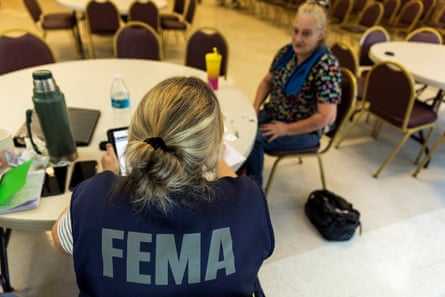
The council developing these proposals has not yet released detailed specifications of their intended reforms, but early indications suggest comprehensive organizational changes. Sources familiar with the planning process indicate that discussions have centered on reducing FEMA's workforce, consolidating regional offices, and transferring certain responsibilities to state authorities. These measures could fragment the coordinated approach currently employed during large-scale emergencies affecting multiple jurisdictions.
Emergency management experts have emphasized that disaster preparedness demands continuity and coordination across governmental levels. FEMA's federal framework allows for rapid deployment of resources from unaffected regions to disaster zones, something that would become significantly more complicated under a more decentralized model. The agency's current structure enables pre-positioning of equipment and personnel before hurricanes make landfall or floods threaten communities, a capability that could be compromised by proposed restructuring.
The debate over FEMA's future reflects broader tensions within the Trump administration regarding the role of federal agencies. While some officials argue that federal government should be reduced in scope and cost, others recognize that certain functions—particularly emergency response—inherently require national coordination and substantial resources. The clash between these competing philosophies has placed FEMA at the center of a larger policy dispute.

Climate scientists have joined emergency management professionals in expressing concern about the proposed changes. The scientific consensus indicates that global temperature increases will continue driving more intense precipitation events, more powerful hurricanes, and more prolonged heat waves and droughts. This trajectory means that emergency response systems should be strengthened, not weakened, to meet expanding challenges ahead. Reducing FEMA's capacity appears contraindicated by meteorological realities.
State emergency management officials have voiced mixed reactions to the administration's plans. Some Republican governors have indicated support for examining FEMA's efficiency, though several have privately expressed concerns about losing federal resources and coordination capabilities. Democratic-led states have uniformly opposed major restructuring efforts, warning that reduced federal coordination would leave their residents vulnerable to disasters that increasingly cross state boundaries.
The proposed changes to emergency response systems will likely face congressional scrutiny, as both appropriations and oversight fall within legislative purview. Some members of Congress have already begun questioning the wisdom of substantial FEMA restructuring during a period of accelerating climate impacts. The policy debate promises to intensify as details of the administration's specific proposals emerge and stakeholders mobilize to advocate for their preferred outcomes.
Ultimately, the fate of FEMA restructuring will likely depend on both political will within the administration and public pressure regarding disaster preparedness. As communities continue experiencing major weather disasters, voters' direct experiences with emergency response effectiveness may shape the political calculus surrounding these reforms. The coming months will reveal whether the administration proceeds with comprehensive restructuring or modifies its approach based on emerging concerns about national vulnerability to climate-driven disasters.


