
Trump Pushes Countries to Aid Syria-Stranded Citizens

US administration urges repatriation of stranded nationals as Australia refuses to help citizens trapped in Syria following ISIS collapse.
The Trump administration has intensified diplomatic efforts to address the humanitarian crisis facing numerous foreign nationals stranded in Syria, particularly following the collapse of the Islamic State's territorial control in the region. Officials from the United States have initiated what they describe as active communication channels with multiple nations, emphasizing the urgent need for repatriation efforts to bring citizens home safely. This coordinated international approach marks a significant shift in how the global community addresses the complex situation of detainees and camp residents left behind after the Islamic State's military defeat.
Meanwhile, the Australian government has maintained an uncompromising position regarding its citizens held in Syrian camps, refusing to engage in repatriation programs for Australian women and children who have been detained since ISIS's downfall. The Albanese administration's hardline approach has drawn criticism from humanitarian organizations and international observers who argue that Australian citizens, regardless of their circumstances, deserve consular assistance and the right to return home. This stance represents one of the most restrictive policies among Western nations concerning the return of nationals from conflict zones in the Middle East.
Recent developments have brought the situation into sharp focus, as a group consisting of four Australian women, their nine children, and several grandchildren made an attempted departure from al-Roj camp located in Syria's northeastern region last Friday. The group's movement sparked hope that a breakthrough in Australia's position might be imminent, with initial reports suggesting progress toward their return journey. However, by Thursday morning, reports emerged indicating that the Australian government's refusal to assist had left the group stranded in Damascus with an uncertain fate.
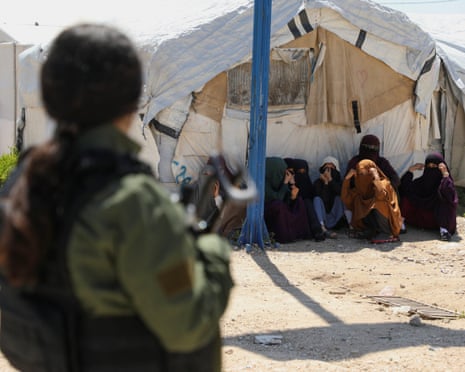
The al-Roj camp, situated in a remote area of northeastern Syria, has become home to thousands of individuals, including women and children with ties to ISIS fighters or ISIS-affiliated families. Living conditions within the camp are notoriously harsh, characterized by overcrowding, inadequate medical facilities, and limited access to educational opportunities for the children confined there. The camp has been described by humanitarian organizations as a humanitarian crisis, with reports detailing widespread malnutrition, disease outbreaks, and psychological trauma affecting the vulnerable population held there.
According to Syrian officials familiar with the situation, the group of Australian nationals is currently awaiting a solution to their predicament, caught between Syria's limited capacity to assist foreign nationals and Australia's refusal to facilitate their return. The officials have indicated that the individuals are in a state of limbo, unable to proceed toward Australia and unable to secure alternative arrangements. This situation underscores the complex geopolitical dimensions of addressing the aftermath of the ISIS conflict, where nationalist governments prioritize domestic political considerations over humanitarian obligations.
The Trump administration's push for international repatriation cooperation reflects growing recognition that the prolonged detention of foreign nationals in Syrian camps poses significant humanitarian and security challenges. American officials have reportedly emphasized to other governments that maintaining citizens in Syrian detention centers indefinitely creates instability and perpetuates cycles of suffering within the camps. The administration has framed repatriation not merely as a humanitarian gesture but as a practical necessity for stabilizing the region and preventing future security threats.
Australia's resistance to repatriating its citizens reflects broader concerns within the Australian political establishment regarding national security and public sentiment about individuals with ISIS connections. The government has consistently argued that bringing back nationals with potential extremist sympathies poses risks to domestic security and that individuals should face justice within the countries where they are currently held. This position, while politically popular with portions of the Australian electorate, has isolated the country from international efforts and drawn condemnation from human rights advocates who argue that women and children should not be collectively punished for the actions of others.
The plight of the stranded group highlights the broader challenge facing multiple Western nations regarding ISIS-affiliated detainees in Syria. Countries such as France, Germany, and the United Kingdom have undertaken selective repatriation programs, particularly for children deemed to have minimal involvement in ISIS activities. These nations have generally recognized a legal obligation to assist their nationals, especially vulnerable populations like women and children who may have limited agency in their circumstances. Australia's unilateral hardline approach thus stands in stark contrast to the approaches adopted by most comparable democratic nations.
Legal experts have raised questions about Australia's compliance with international obligations under various treaties and conventions protecting the rights of citizens and vulnerable populations. International humanitarian law and human rights frameworks establish principles regarding the responsibility of nations to assist their nationals in distress, particularly when those individuals include children without independent capacity to advocate for themselves. The Australian government's position may face legal challenges, though the current political climate suggests such challenges would likely be unsuccessful given strong public support for the hardline approach among significant portions of the electorate.
The situation facing this particular group underscores the human costs of geopolitical disagreements and the gap between international humanitarian standards and nationalist policy implementation. For the women and children involved, the days spent in Damascus represent uncertainty about their futures, their ability to reunite with family members in Australia, and their access to basic services and protection. The psychological toll on the children, many of whom were born in Syria and have no memory of Australia, compounds the humanitarian dimensions of the crisis.
Moving forward, the Trump administration's diplomatic outreach may create additional pressure on the Australian government to reconsider its stance, though historical precedent suggests such pressure has limited impact on Australian policy decisions regarding this sensitive issue. The administration's emphasis on coordinated international responses to the Syrian situation could generate momentum toward more uniform approaches among Western nations, potentially isolating governments that maintain unilateral hardline positions. Whether such pressure will ultimately influence Australia's policy remains uncertain, as domestic political considerations continue to drive Australian government decision-making on this contentious issue.


