
Trump, Putin Discuss Iran War, Ukraine Ceasefire

Trump and Putin hold 90-minute call discussing Iran military operations and exploring temporary Ukraine ceasefire options in significant diplomatic exchange.
In a significant diplomatic development, Donald Trump and Vladimir Putin engaged in an extensive phone conversation spanning over 90 minutes on Wednesday, addressing critical geopolitical tensions in two major conflict zones. The call represented a rare high-level direct engagement between the American and Russian leaders, focusing on the escalating situation in Iran and potential pathways toward de-escalation in the prolonged Ukraine conflict. According to statements from the Kremlin, Trump characterized the conversation as a "very good conversation," signaling a constructive tone in the bilateral exchange despite the contentious nature of the topics discussed.
During the extended dialogue, the Russian president expressed Moscow's serious concerns regarding the prospect of a potential US ground operation in Iran, which Putin characterized as a dangerous escalation that could destabilize the broader Middle Eastern region. Conversely, Putin welcomed Trump's decision to extend the existing ceasefire arrangement in Iran, viewing this action as a responsible step toward preventing further military confrontation in the volatile region. This mixed message from the Russian leader reflected Moscow's complex strategic interests in the Middle East, where Russia maintains significant diplomatic and military presence through its historical partnerships and military operations.
Yuri Ushakov, serving as Putin's chief foreign policy adviser, provided details about the call's substance to international media outlets, indicating that the leaders had achieved a level of mutual understanding on certain key issues. The disclosure of call details through official Kremlin channels demonstrated Russia's interest in publicizing the diplomatic engagement, potentially signaling to domestic and international audiences that Moscow remains engaged in high-level negotiations despite ongoing tensions with Western powers.
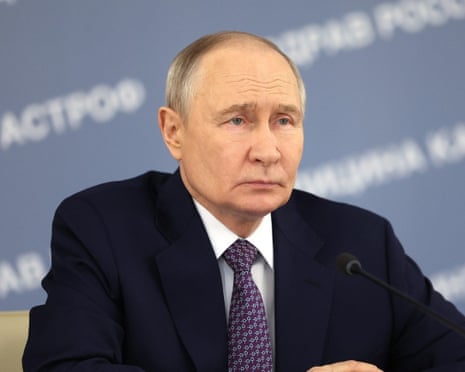
The temporary ceasefire proposal regarding Ukraine emerged as another central focus of the Wednesday conversation, with both leaders apparently exploring preliminary ideas about halting active hostilities. The discussion around a potential pause in fighting reflected the complexity of the nearly three-year-old conflict that has resulted in hundreds of thousands of casualties and displaced millions of Ukrainian civilians. While neither leader's office released detailed proposals, the willingness to discuss cessation of hostilities, even on a temporary basis, suggested possible shifts in each nation's strategic calculus regarding the sustainability of the current conflict trajectory.
The Iran ceasefire extension that Trump authorized prior to the call had represented a significant policy decision, as the American administration weighed its regional security concerns against the risks of broader military escalation. The previous ceasefire arrangement had created a fragile stability in a region where tensions between various state and non-state actors constantly threaten to ignite into wider conflict. Trump's decision to extend this arrangement rather than pursue the military option suggested a preference for diplomatic solutions, at least in the near term, though American officials maintained their capacity for swift military action if circumstances demanded.
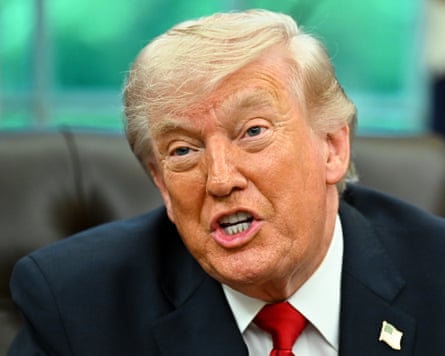
The 90-minute duration of the call underscored the breadth of topics covered and suggested substantive discussions rather than perfunctory diplomatic exchanges. Such extended conversations between national leaders typically involve detailed policy discussions, strategic assessments, and exploration of potential compromise positions on contested issues. The length of the engagement also reflected the significant stakes involved in both the Iran situation and the Ukraine conflict, matters that directly impact global security and stability.
Putin's welcoming of the Iran ceasefire extension carried particular significance given Russia's own military commitments in the Middle East, where Moscow has conducted extensive military operations in support of the Assad government in Syria and maintains strategic partnerships with Iran. Russia's positive reception of the ceasefire suggested that Moscow calculated continued stability in Iran to be preferable to the risks of escalating American military involvement in the region, which could directly threaten Russian interests and force uncomfortable choices about military escalation.
The explicit mention of Iran as a topic of discussion between the two leaders reflected the growing interconnection of regional conflicts and the way in which American foreign policy under Trump attempted to address multiple crises simultaneously. The administration's approach to balancing deterrence and diplomacy in Iran while simultaneously exploring ceasefire possibilities in Ukraine demonstrated a complex diplomatic strategy attempting to reduce the number of active conflicts consuming American military and diplomatic resources.
Russian officials' characterization of the conversation as positive, combined with Trump's description of it as "very good," suggested that both sides departed from the call with a sense that dialogue had been productive, even if concrete agreements had not been reached. In international diplomacy, such characterizations often presage further engagement and negotiation, as leaders rarely describe conversations as positive unless they believe groundwork has been laid for future progress on contentious issues.
The timing of the call carried additional significance given ongoing developments in both conflict zones and the broader context of Russian-American relations, which have remained tense since Russia's 2022 invasion of Ukraine. The willingness of both presidents to engage in an extended conversation suggested that despite profound disagreements on fundamental issues, channels of communication remained open and functional. This diplomatic engagement offered potential openings for future negotiations that could eventually lead to concrete agreements on reducing violence in multiple theaters.
Moving forward, the statements and proposals that emerged from this conversation would likely shape the diplomatic landscape for both conflicts for months to come. International observers, Ukrainian officials, and Middle Eastern governments would carefully parse the details of what was discussed and what frameworks emerged from the discussion. The call represented a moment where geopolitical tensions and the costs of prolonged conflict appeared to create momentum for diplomatic exploration, even if comprehensive settlements remained distant prospects.
Source: The Guardian
