
Trump Reacts to 2026 World Cup Ticket Prices

President Donald Trump responds to controversial pricing for USA vs Paraguay World Cup match, saying he wouldn't pay the asking price for tickets.
During a recent public appearance, US President Donald Trump voiced his candid opinion on the escalating ticket prices for the upcoming 2026 FIFA World Cup, specifically addressing the cost of admission for the United States' opening match against Paraguay. When questioned about whether he would personally purchase a ticket at the proposed price point, Trump delivered a characteristically blunt response, stating he "wouldn't pay it either," thereby aligning himself with concerns raised by fans and sports analysts about the event's accessibility.
The 2026 World Cup represents a historic moment for international soccer, as it will be the first tournament jointly hosted by three nations: the United States, Canada, and Mexico. This unprecedented arrangement has already sparked discussions about ticketing, hospitality, and fan engagement across the continental event. The USA vs Paraguay World Cup match is particularly significant as it marks the Americans' inaugural competition in what promises to be a closely watched tournament that will draw global attention to North American soccer infrastructure and fan experiences.
Trump's comments reflect a broader conversation among soccer enthusiasts and casual sports fans regarding the balance between generating revenue for tournament organizers and ensuring that average citizens can afford to attend matches. The World Cup ticket pricing controversy has become increasingly contentious as FIFA and local organizing committees announce preliminary pricing structures that some view as prohibitively expensive. For many working-class Americans who have eagerly anticipated the opportunity to watch their national team compete on home soil, the financial barrier presents a significant obstacle to participation in what should be an inclusive cultural event.
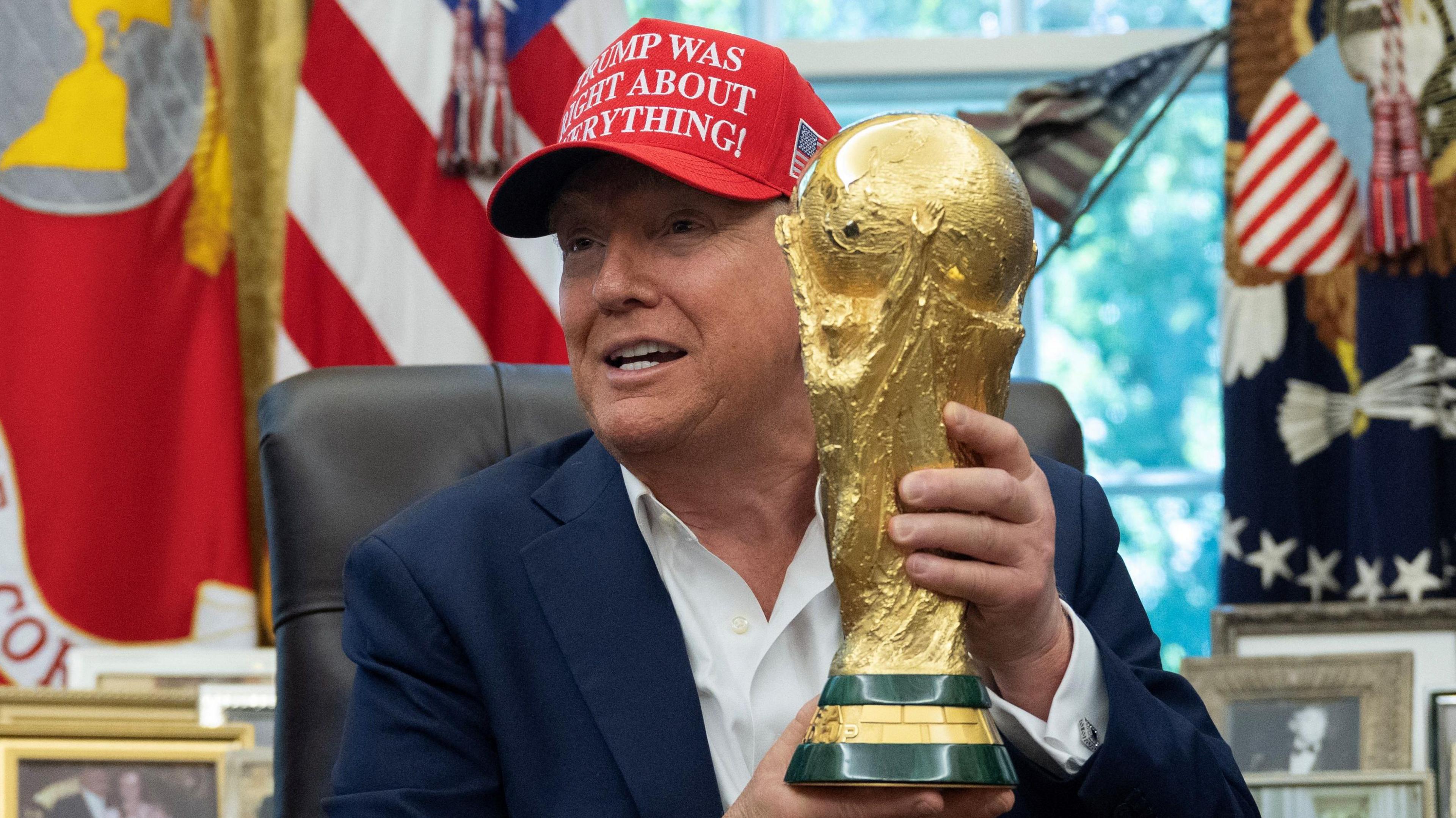
The former and current US President's intervention into the ticket pricing debate carries particular weight given his status as a prominent public figure with significant influence over public discourse and consumer opinion. His willingness to publicly criticize the proposed pricing structure sends a signal that even high-profile figures recognize the legitimacy of fan concerns. This type of celebrity endorsement of consumer skepticism can amplify pressure on event organizers to reconsider their revenue strategies or implement tiered pricing systems that accommodate different economic demographics.
The 2026 World Cup tournament organizers face complex logistical and financial challenges in managing a three-nation event while attempting to create a profitable venture that justifies the substantial infrastructure investments required. Ticket pricing represents a critical revenue stream for covering operational costs, paying broadcasters, and generating profit for FIFA and participating national soccer federations. However, the organizers must also consider the long-term consequences of pricing out domestic audiences, which could diminish the atmosphere at venues and reduce the intangible benefits of hosting the world's most prestigious soccer competition.
Historical precedent suggests that World Cup attendance patterns and ticket availability significantly influence the quality of match-day experiences and the overall success of tournament hosting. Previous World Cup editions have experienced varying levels of fan engagement based partly on ticket accessibility and pricing strategies. The 2022 Qatar World Cup, for instance, raised questions about tournament accessibility due to its unique winter scheduling and geographic location, creating additional costs for international travelers that compounded the impact of ticket pricing on overall participation.

For the United States specifically, the soccer fan engagement in North America has grown substantially over the past two decades, with Major League Soccer expansion, successful youth development programs, and increased international player recruitment elevating the sport's profile. The 2026 World Cup represents a culmination of these efforts and an opportunity to cement soccer's position in American sports culture. However, pricing strategies that alienate potential fans could undermine this progress and reinforce perceptions that major sporting events are exclusively designed for wealthy spectators rather than passionate supporters across all economic backgrounds.
Trump's critique also resonates within broader conversations about corporate event pricing and venue management in the United States. Across professional sports in America, ticket prices have climbed steadily, often outpacing wage growth and inflation rates, making live sports attendance increasingly difficult for middle-class and working-class families. This trend has prompted criticism from multiple quarters, including athletes themselves, team ownership groups seeking to maintain fan bases, and policymakers concerned about economic equity and access to cultural experiences.
The Paraguay national team, as the designated opponent for the USA's opening match, will also bring its own passionate fan base to the competition, and ticket accessibility affects both participating nations' supporters. Paraguay, a South American nation with a proud soccer tradition, will likely send contingents of supporters to the United States for the World Cup, and pricing structures that are prohibitively expensive may limit their participation compared to previous World Cup tournaments. The economic disparity between US-based and Paraguay-based fans adds another layer of complexity to the pricing discussion.

Looking forward, tournament organizers will need to balance multiple stakeholder interests as they finalize ticketing strategies for the 2026 World Cup. FIFA, national soccer federations, stadium operators, broadcasters, and local governments all have financial stakes in the event's success. Simultaneously, the fans who generate the atmosphere, television viewership, and long-term interest in soccer development deserve consideration in pricing decisions. The challenge lies in creating sustainable revenue models that don't sacrifice the democratization of access to premier international sporting events.
Trump's public stance on the World Cup ticket prices demonstrates how political figures and cultural influencers can amplify consumer concerns and potentially influence corporate decision-making around major events. Whether this particular commentary will lead to meaningful adjustments in pricing structures remains to be seen, but it certainly adds pressure to organizers to justify their revenue strategies to the American public. The months leading up to the 2026 World Cup will likely see continued discussions about affordability, ticket distribution systems, and the philosophy underlying pricing for this historic continental event.
Ultimately, the success of the 2026 World Cup in North America will depend not only on the quality of competition and organization but also on the ability of millions of fans to participate in the experience. Trump's willingness to publicly critique ticket pricing reflects a recognition that major sporting events should remain accessible to broad segments of the population. As tournament organizers move forward with their planning, finding the right balance between financial sustainability and fan accessibility will prove crucial to ensuring that the World Cup becomes a defining moment in North American soccer history rather than an event remembered primarily for its exclusivity.
Source: BBC News


