
Trump Reclassifies Cannabis: What It Means

Trump administration's partial cannabis rescheduling creates confusion in the industry. Acting Attorney General Todd Blanche signs executive order moving cannabis to Schedule III.
The Trump administration is moving forward with a significant shift in how the federal government classifies cannabis, though the action represents only a partial rescheduling that has left many stakeholders in the industry uncertain about the implications. Todd Blanche, serving as the acting attorney general, recently signed an executive order that fundamentally alters the legal status of certain cannabis products, marking a notable departure from decades of strict federal prohibition.
The executive order signed by Blanche last week specifically addresses two categories of cannabis products: those sold under state-authorized medical cannabis licenses and products that have received approval from the FDA. These items have been removed from Schedule I of the Controlled Substances Act and reclassified to Schedule III, a significant shift that reflects changing perspectives on cannabis within the federal government. Schedule I has traditionally been reserved for substances deemed to have no accepted medical use, while Schedule III encompasses legally recognized and regulated substances including certain pharmaceutical formulations containing controlled ingredients.
This partial rescheduling action has sparked considerable debate within the cannabis industry, legal community, and among policy experts who question whether the measure goes far enough. Many stakeholders had anticipated a more comprehensive reclassification that would address all cannabis products more broadly, rather than limiting the change to state-licensed medical products and FDA-approved formulations. The distinction matters significantly because it leaves recreational cannabis and other cannabis products in the original Schedule I category, creating what experts describe as an unnecessarily complex regulatory landscape.
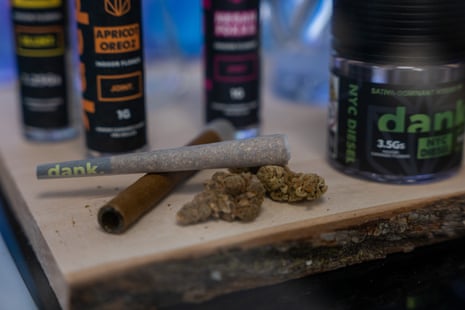
Legal experts have highlighted how this selective rescheduling makes "an already complex process more confusing," according to industry analysts examining the order. The cannabis industry complexity now extends beyond simple legality questions to nuanced distinctions about which specific products qualify for the new Schedule III status and which remain prohibited under federal law. This patchwork approach creates potential complications for businesses operating across multiple states, researchers studying cannabis properties, and individuals seeking medical treatment with cannabis-based therapies.
The reclassification to Schedule III carries practical implications for the cannabis regulatory framework at both federal and state levels. Schedule III substances face less stringent restrictions than Schedule I compounds, potentially opening pathways for increased research, more straightforward banking relationships, and potentially simplified interstate commerce for qualifying products. However, because the rescheduling is partial rather than comprehensive, these benefits do not extend uniformly across the entire cannabis market, creating a tiered system that observers say requires careful navigation.
Industry leaders and policy advocates have expressed mixed reactions to the announcement. Some view the reclassification as a meaningful step toward federal cannabis reform that acknowledges the medical utility of cannabis products and aligns federal policy more closely with state-level actions. Others contend that the partial nature of the reclassification does not go far enough and leaves too many questions unanswered about the future of cannabis policy at the federal level.
The timing of this policy shift comes as numerous states have already moved ahead with their own cannabis legalization and regulation programs, creating a significant gap between federal and state law. Approximately 24 states have legalized cannabis for recreational use, while many more permit medical cannabis programs. This disconnect has created substantial challenges for cannabis businesses seeking federal banking services, conducting interstate commerce, and accessing federally funded research opportunities. The Trump administration's partial rescheduling represents an attempt to bridge this gap, though questions remain about whether the measure adequately addresses the full scope of federal-state cannabis policy conflicts.
Research institutions have been particularly interested in potential changes to cannabis's federal classification because Schedule I status severely restricts scientific study of cannabis compounds. Moving medical cannabis products and FDA-approved cannabis medications to Schedule III could facilitate more robust research into cannabis's therapeutic applications, potential medical uses, and safety profiles. Scientists have long argued that Schedule I restrictions hamper legitimate medical research and prevent a fuller understanding of cannabis's place in medical treatment protocols.
The Schedule III reclassification also raises questions about how the measure will interact with existing federal laws and regulations. The order does not provide complete clarity on implementation details, such as how the DEA will distinguish between qualifying medical cannabis products and those that remain in Schedule I. Additionally, the measure does not address how the reclassification affects federal taxes on cannabis or changes to banking regulations that have historically made it difficult for cannabis businesses to maintain relationships with financial institutions.
Cannabis industry observers note that the executive order raises several unanswered questions about its scope and duration. Legal scholars have pointed out that an executive order can be reversed by a future administration, potentially creating uncertainty for businesses and researchers who might invest resources based on the new classification. The measure's reliance on executive action rather than congressional legislation means that long-term stability for the cannabis industry remains uncertain.
Looking forward, the partial cannabis rescheduling may prompt broader conversations about more comprehensive federal cannabis reform. Advocates for fuller legalization argue that the measure demonstrates the Trump administration acknowledges cannabis's legitimate uses but that more sweeping action is needed to align federal policy with the reality of state-level legalization and public opinion. Congressional action would be required to make permanent changes to cannabis's Schedule I status or to address it through legislative rather than executive means.
The coming months will likely provide greater clarity as federal agencies begin implementing the order and addressing specific questions about its application. Industry observers, legal experts, and policymakers are closely watching how the reclassification unfolds in practice and whether the Trump administration might pursue additional cannabis policy reforms. For now, the partial rescheduling represents a notable but incomplete shift in federal cannabis policy that leaves substantial ambiguity about the future direction of cannabis regulation in America.


