
Trump Replaces MAHA Doctor With Fox News Radiologist

President Trump withdraws Casey Means' surgeon general nomination, replacing her with Nicole Saphier, a Fox News contributor and vaccine skeptic.
In a dramatic reversal announced through social media posts on Thursday, President Trump withdrew his nomination of Casey Means, a prominent Make America Health Again (MAHA) influencer and Stanford-trained physician, to serve as the nation's surgeon general. The decision came shortly after Trump publicly criticized Senator Bill Cassidy (R-Louisiana) for blocking Means' nomination in the Senate, before unveiling his replacement candidate: Nicole B. Saphier, a breast radiologist at the prestigious Memorial Sloan Kettering Cancer Center.
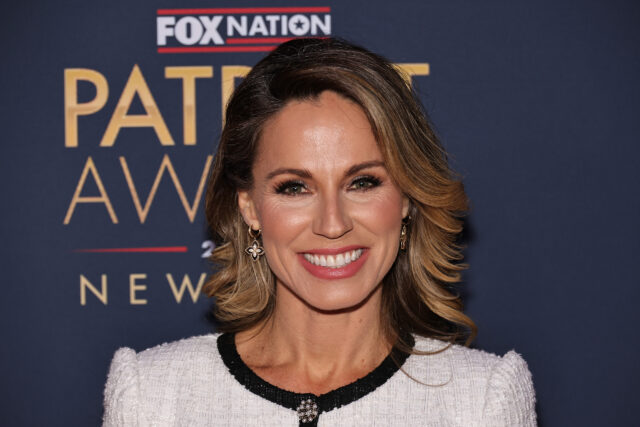
Saphier brings a complex professional profile to the position that has already generated considerable discussion in medical and political circles. In addition to her role as a radiation oncologist specializing in breast cancer, she maintains a position as a regular Fox News contributor where she frequently discusses healthcare policy and medical matters with a national audience. Beyond her clinical and media work, Saphier founded her own company focused on herbal supplements, a venture that underscores her interest in alternative health approaches. Her medical career and public statements have also included expressions of skepticism regarding certain vaccine policies and recommendations, positioning her within a growing segment of medical professionals questioning mainstream immunization protocols.
The withdrawal of Means' nomination represented an acknowledgment by the Trump administration that her path to confirmation had become fundamentally blocked within the Republican-controlled Senate. Since her February confirmation hearing before the Senate Health, Education, Labor, and Pensions (HELP) Committee, chaired by Senator Cassidy, Means' nomination had languished without meaningful progress toward a floor vote. The hearing itself revealed significant fractures within Republican ranks, as several GOP lawmakers expressed substantive reservations about her qualifications and policy positions.
The central concerns raised during Means' confirmation process revolved around her vaccine views and fundamental medical qualifications for the role. While Means holds a medical degree from Stanford University, her career trajectory took an unconventional path when she discontinued her medical residency training before completion. More significantly, she does not currently maintain an active medical license, a fact that would allow her to serve as surgeon general—the nation's chief medical officer and highest-ranking health official—without possessing the legal authority to practice medicine independently. This contradiction sparked considerable debate about whether someone unable to treat patients could credibly serve as America's top physician.
During her Senate hearing, Means encountered pointed questions about her positions on vaccine safety and efficacy, particularly regarding childhood immunizations and public health vaccination campaigns. Rather than providing direct, comprehensive answers, Means largely attempted to deflect or minimize the scope of her previous public statements on these contentious topics. Her evasive responses only amplified concerns among committee members who questioned whether she would faithfully execute the surgeon general's responsibility to provide science-based medical guidance to the American public.
Senator Cassidy emerged as a particularly vocal skeptic, raising multiple concerns about both Means' medical background and her public health positions. Other Republican senators, while perhaps less publicly vocal, privately communicated hesitations about supporting her confirmation. This fracturing of Republican unity on Means' nomination made clear that achieving the necessary votes for confirmation would prove extraordinarily difficult, if not impossible, despite the GOP's Senate majority.

Trump's pivot to Nicole Saphier represents a strategic recalibration designed to maintain his healthcare agenda while securing a nominee capable of passing Senate confirmation. Saphier's background in oncology and radiation medicine provides stronger traditional medical credentials than Means possessed, and her active medical license distinguishes her as a physician in good standing. Her prominence as a Fox News medical contributor aligns with Trump's media-savvy approach to staffing and maintains connections to conservative media networks that have supported his political agenda.
However, Saphier's nomination is unlikely to proceed without controversy. Her founding of a herbal supplement company raises questions about potential conflicts of interest in a position that oversees FDA regulation and pharmaceutical policy. Additionally, her public skepticism about vaccines—documented through her media appearances and public statements—suggests she may pursue similar controversial policies as her predecessor would have attempted. Health advocacy groups focused on vaccine-preventable diseases have already begun mobilizing to scrutinize her record and positions on immunization policy.
The surgeon general position, while often considered somewhat ceremonial in scope, carries significant symbolic weight as the nation's highest-ranking medical official. The surgeon general serves as the public face of American medicine, responsible for communicating health guidance during medical emergencies and public health crises. The position requires someone capable of earning credibility across the medical establishment, public health institutions, and the broader American population. Previous surgeons general have used the platform to raise awareness about various health challenges, from smoking-related diseases to opioid addiction to mental health concerns.

Trump's healthcare agenda, broadly outlined through his MAHA initiative and appointments of allies like Robert F. Kennedy Jr. as secretary of health and human services, signals a significant shift in federal health policy priorities. The replacement of Means with Saphier suggests that while Trump may moderate the rhetorical positioning of some health officials, the underlying skepticism toward conventional medical wisdom and regulatory frameworks persists. Saphier's profile indicates she is likely to challenge pharmaceutical industry orthodoxy and promote alternative health approaches, aligning with Trump's broader political coalition.
The Senate confirmation process for Saphier will provide an important test of whether Republican skepticism toward unconventional health positions extends to qualified physicians like Saphier or whether party loyalty will overcome substantive policy concerns. Her hearing before the HELP Committee will likely probe her positions on vaccines, pharmaceutical regulation, supplement oversight, and her media activities. The outcome will signal how much latitude the Trump administration has to reshape federal health policy through surgeon general nomination choices that diverge from medical establishment consensus.
The rapid succession of these two nominations—from Means to Saphier—demonstrates the fluidity of Trump's staffing decisions and his willingness to pivot quickly when political obstacles emerge. Rather than prolonging a losing confirmation battle, Trump opted for a strategic retreat and forward repositioning. This pattern suggests that future Trump administration health nominees may face similar scrutiny and potential withdrawal if Senate opposition solidifies. The coming weeks will reveal whether Saphier's stronger traditional medical credentials and active license prove sufficient to overcome Republican reservations about her anti-vaccine skepticism and alternative health entrepreneurship.
Source: Ars Technica


