
Trump's Approval Rating Hits Record Low in Second Term

President Trump's approval rating drops to 37% amid economic concerns and Iran war controversy as midterm elections approach.
Donald Trump's approval rating has plummeted to its lowest level since the beginning of his second presidential term, reflecting deepening public discontent over multiple pressing issues facing the nation. The decline comes at a particularly sensitive moment in the political calendar, with crucial midterm elections on the horizon and voter sentiment shifting notably against the administration's key decisions. This substantial drop in public support underscores the growing disconnect between the White House's policy direction and the priorities of everyday Americans struggling with economic pressures.
The erosion of presidential approval has been driven primarily by two interconnected factors: widespread anxiety about the nation's cost of living crisis and mounting disapproval of the administration's controversial military engagement in the Middle East. Economic hardship continues to weigh heavily on households across the country, with inflation and rising expenses affecting purchasing power and quality of life. Recent polling data indicates that just 37% of Americans currently approve of Trump's job performance, marking a significant decline from earlier points in his tenure and suggesting a fundamental shift in public sentiment.
The Iran war decision has emerged as a particularly divisive flashpoint in public opinion, with comprehensive polling released on Monday revealing that most American voters believe military action in the region represents a strategic mistake. The administration's rationale for the conflict and its stated objectives have failed to resonate with a majority of the electorate, who express concern about the humanitarian, financial, and geopolitical ramifications of sustained military involvement. This lack of consensus on such a consequential foreign policy matter demonstrates the challenge facing the White House in maintaining unified support during wartime.
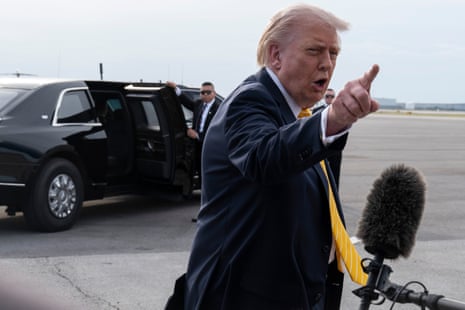
Adding to the administration's woes, Trump himself made controversial comments regarding Iran negotiations, stating that Americans' current financial difficulties were not sufficiently motivating him to pursue diplomatic resolutions. These remarks triggered immediate backlash from critics who argued that the president should prioritize peace negotiations as a means to reduce military expenditures and ease the economic burden on struggling families. The statement appeared tone-deaf to the economic anxieties gripping the nation and raised questions about the administration's commitment to exploring all available options for de-escalation.
The timing of this approval rating decline is particularly significant given the approach of the upcoming midterm elections, which will determine control of Congress and numerous state offices. Historically, midterm cycles present challenges for sitting presidents, but when combined with low approval ratings, the electoral outlook becomes considerably more daunting. Political analysts have begun speculating about the potential for significant losses in both chambers if current trends in public sentiment persist through election day.
The cost of living crisis remains the dominant concern animating voter dissatisfaction across demographic groups and geographic regions. Families report struggling with housing costs, grocery expenses, utilities, and general inflation that has outpaced wage growth in many sectors. The administration has attempted to implement policies addressing economic concerns, but messaging challenges and the structural nature of inflationary pressures have limited the effectiveness of these efforts in shaping public perception.
The geopolitical tensions with Iran represent not merely a military concern but also a symbol of broader foreign policy direction that voters increasingly question. The administration's approach to Middle Eastern affairs has drawn criticism from both progressive and conservative camps, though for different reasons. Progressives cite humanitarian concerns and the cost of military engagement, while some conservatives question the strategic coherence and exit strategy associated with military operations in the region.
Demographic analysis of the polling data reveals telling patterns in which voter segments have shifted most dramatically in their assessment of the administration. Young voters, who showed some support for Trump in recent years, have drifted notably in disapproval, particularly over economic concerns and military spending priorities. Independent voters, often the decisive swing group in American elections, have moved decidedly into the disapproval category as well, suggesting potential vulnerability in competitive districts.
The White House has reportedly begun strategizing about how to address the approval rating decline through various messaging initiatives and policy announcements. Administration officials have suggested that economic data in coming months could shift public perception if inflation moderates and job creation continues. However, political observers note that restoring approval ratings once they have fallen to such levels typically requires either significant external events that boost national sentiment or major policy shifts that address core voter concerns.
The relationship between approval ratings and electoral outcomes has been extensively studied by political scientists, with strong historical correlations suggesting that candidates with approval ratings below 40% face substantial headwinds in competitive races. While midterm elections differ from presidential contests in important ways, the fundamental dynamic that approval ratings influence voter behavior remains consistent. The current 37% approval figure positions the administration in challenging territory as campaign season intensifies.
Looking forward, the administration faces critical decisions about how to recalibrate both its messaging and policy priorities to reverse the downward trajectory in public support. Options being discussed include renewed diplomatic overtures toward Iran that could present a face-saving off-ramp from military engagement, enhanced economic relief measures targeting household finances, and a broader strategic communication effort to reshape the narrative around administration accomplishments. The window for course correction before midterm voting remains open, though the magnitude of the current approval deficit suggests that significant work lies ahead.
Source: The Guardian


