
Trump's China Trip: 17 CEOs Join Historic Visit

Elon Musk, Tim Cook, and 15 other US executives are expected to accompany President Trump on a significant China visit to meet Xi Jinping.
President Trump is preparing for a landmark diplomatic visit to China that will showcase American corporate leadership on the global stage. The upcoming trip marks a significant moment in US-China relations, bringing together some of the nation's most influential business leaders for what promises to be a high-stakes engagement with Chinese leadership. Among the prominent CEOs joining Trump are tech giants Elon Musk and Tim Cook, whose participation underscores the importance of technology and innovation in contemporary US-China discussions.
The delegation comprises a total of 17 US executives representing diverse sectors of the American economy, including technology, finance, manufacturing, and energy. This carefully curated group reflects the administration's strategic approach to leveraging private sector expertise in diplomatic negotiations. The Trump China delegation aims to strengthen economic ties while addressing critical trade and investment issues that have defined the relationship between the world's two largest economies in recent years.
Elon Musk's participation in the delegation carries particular significance given Tesla's substantial operations and investments in China, making him a key stakeholder in US-China commercial relations. As CEO of Tesla and owner of X (formerly Twitter), Musk has maintained complex business interests in China while navigating geopolitical tensions. His presence alongside other major corporate leaders demonstrates the interconnected nature of modern global business and the mutual economic dependencies that bind the two nations.
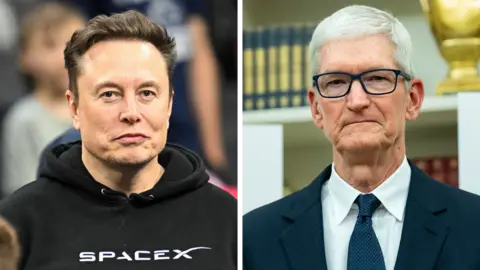
Tim Cook's attendance as Apple's Chief Executive Officer adds another layer of strategic importance to the delegation. Apple's extensive supply chain networks in China and its reliance on Chinese manufacturing make the company's CEO presence crucial for discussions about technology trade and intellectual property protection. The CEO delegation to China represents billions of dollars in combined corporate assets and revenues, giving these business leaders substantial leverage in trade conversations.
The timing of this diplomatic mission reflects ongoing efforts to stabilize relations between Washington and Beijing after periods of tension characterized by trade disputes, technology restrictions, and geopolitical disagreements. By bringing together leading American executives, the administration seeks to present a unified front on economic priorities while demonstrating the private sector's commitment to maintaining profitable business relationships in China. The presence of such high-profile corporate figures suggests that economic pragmatism remains central to bilateral discussions despite political complexities.
The delegation's composition reveals much about American corporate priorities in China. Representatives from the technology sector dominate the group, reflecting the critical importance of digital innovation and intellectual property issues in contemporary US-China relations. However, the inclusion of executives from other industries indicates a broader commitment to addressing China trade relations across multiple economic sectors, from traditional manufacturing to emerging green energy technologies.
During the visit, Trump will meet directly with Chinese President Xi Jinping, marking an important moment for high-level diplomatic engagement. These meetings typically focus on substantive issues including trade imbalances, tariff structures, intellectual property protections, and investment opportunities for American companies in Chinese markets. The presence of major CEOs in the delegation amplifies the business dimension of these discussions, allowing executives to directly engage with Chinese counterparts on sectoral concerns and opportunities.
The business leaders China visit represents an investment in relationship-building that extends beyond government-to-government interactions. American executives bring detailed knowledge of market conditions, competitive challenges, and investment preferences that can inform diplomatic strategy. Their participation signals to Chinese business and government officials that American corporations remain committed to the Chinese market despite recent trade tensions and regulatory challenges.
This delegation comes at a time when US-China economic relations have faced unprecedented scrutiny. Recent years have witnessed increased trade barriers, technology export controls, and regulatory obstacles that have complicated business operations for many American companies in China. By assembling such a prominent group of executives, the administration aims to demonstrate that economic cooperation remains possible and mutually beneficial, despite broader geopolitical tensions between the nations.
The selection of 17 specific executives reflects careful diplomatic consideration about representation and sectoral balance. While technology leaders like Musk and Cook receive most media attention, the full delegation likely includes executives from financial services, pharmaceuticals, automotive manufacturing, and energy sectors. This diversity ensures that multiple American economic interests receive attention during the visit and in subsequent negotiations.
China's government has signaled openness to engaging with American business leaders, recognizing that corporate participation in diplomatic missions can facilitate commercial dialogue and demonstrate commitment to maintaining economic relationships. Chinese officials understand that these executives wield significant influence over investment flows and technology partnerships that matter substantially to China's continued economic development. The Trump delegation China thus serves mutual interests in maintaining channels for business communication.
The logistics of organizing such a high-profile business delegation require extensive planning and coordination between American and Chinese officials. Security considerations, scheduling conflicts, and the complexity of managing multiple corporate perspectives all factor into the preparation process. Nevertheless, the commitment of 17 major CEOs to participate underscores the significance both governments attach to this diplomatic initiative and the business community's eagerness to engage directly with Chinese leadership.
This visit potentially opens opportunities for American companies to address specific grievances with Chinese officials, discuss regulatory challenges, and explore new business prospects in expanding sectors. For some executives, direct access to senior Chinese leadership represents a rare opportunity to advocate for their industries' interests at the highest levels of government. The CEO engagement China diplomacy approach leverages the private sector's expertise and market knowledge as diplomatic tools.
The broader implications of this business-focused diplomatic mission extend beyond immediate trade discussions. It demonstrates how modern international relations increasingly involve partnerships between government and corporate leadership, with both sectors recognizing their mutual interdependence. American companies depend on access to Chinese markets and supply chains, while China requires American technology, investment, and commercial partnerships to sustain its economic growth.
As the delegation prepares for departure, the corporate world watches closely to see what outcomes emerge from these high-level discussions. Trade negotiators, investors, and business analysts are particularly interested in whether the visit produces any concrete agreements on tariffs, technology trade, or investment frameworks. The success of this business delegation could set the tone for US-China corporate relations over the coming months and years.
Ultimately, the presence of Elon Musk, Tim Cook, and 15 other influential American CEOs on this China trip represents a significant moment in contemporary business diplomacy. It reflects recognition that solving complex international economic challenges requires collaboration between government officials and private sector leaders who understand market dynamics, competitive pressures, and investment realities. The delegation embodies the interconnected nature of modern global business and the continuing importance of maintaining productive relationships between American corporations and the Chinese market.
Source: BBC News


