
Trump's Cuba Pressure Campaign: Motives and Implications

Explore why Trump administration is escalating pressure on Cuba and what it means for US-Cuba relations. Analysis of diplomatic tensions and geopolitical strategy.
The Trump administration has intensified its strategic pressure on Cuba, marking a significant shift in US-Cuba diplomatic relations that reflects broader geopolitical considerations and domestic political calculations. The American government has publicly stated that achieving a peaceful agreement with Cuba remains unlikely in the near term, signaling a hardening of positions that threatens to reverse years of diplomatic progress. This aggressive posturing has prompted Cuban leadership to respond with sharp criticism, characterizing the US approach as a "fraudulent case" deliberately constructed to provide justification for potential military intervention on the island nation.
Understanding the motivations behind Trump's Cuba policy requires examining multiple overlapping factors that shape current administration thinking. The Republican approach to Cuba has historically centered on Cold War-era containment strategies and support from influential Cuban-American constituencies, particularly in Florida, a politically crucial swing state. By adopting a harder line against the Castro regime and its successor government, Trump administration officials aim to consolidate support among traditional conservative voters who view engagement with Cuba as appeasement of a communist adversary. This political calculation intertwines with broader hemispheric security concerns and ideological opposition to authoritarian governance in the region.
Cuban officials have responded to these developments with predictable outrage, yet their characterization of American actions as a "fraudulent case" designed to manufacture pretexts for military action reflects deeper anxieties about sovereignty and security. The Havana government's interpretation of US-Cuba tensions suggests that Cuban leadership views the Trump administration's rhetorical escalation as a dangerous precursor to more aggressive measures. This perspective, while shaped by historical experiences of American military intervention in Latin America, resonates with concerns among regional observers who worry about the destabilizing potential of renewed confrontation between Washington and Havana.
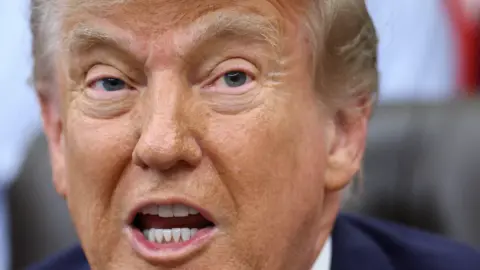
The likelihood of achieving peaceful diplomatic resolution appears diminished under current conditions, as both sides harden their positions and rhetoric becomes increasingly inflammatory. The Trump administration's warning that peaceful settlement seems unlikely signals an abandonment of the engagement strategy pursued during the Obama years, when the United States and Cuba normalized relations after decades of hostility. That diplomatic opening had promised new economic opportunities, cultural exchanges, and the potential for genuine reconciliation between two neighboring nations separated by history, geography, and ideology. The reversal of this approach suggests a return to confrontation as the preferred instrument of American statecraft toward Cuba.
Cuban government accusations regarding manufactured justifications for intervention carry historical weight, given the pattern of American military actions in Latin America throughout the twentieth century. From the Bay of Pigs invasion in 1961 to various covert operations and proxy conflicts, Cuba has experienced direct American military aggression and continuous attempts to overthrow its government. The island's leadership argues that contemporary American pressure campaigns follow established patterns designed to create internal instability or international isolation that could justify external intervention. Whether these accusations accurately describe current intentions remains contested, but they reflect legitimate historical grievances and ongoing security vulnerabilities felt by Cuban officials.
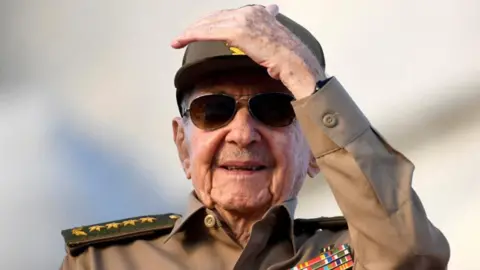
The diplomatic stalemate between the United States and Cuba extends beyond rhetorical posturing to encompass concrete policy measures that affect Cuban society and American-Cuban bilateral relations. Trade restrictions, travel limitations, and financial sanctions continue to constrain economic development on the island while limiting opportunities for American businesses interested in Cuban markets. The Trump administration's reversal of Obama-era policies has rekindled debates about the efficacy of economic coercion as a tool for promoting political change in Cuba. Critics argue that embargo policies harm ordinary Cuban citizens without significantly influencing government behavior, while supporters maintain that sanctions represent appropriate pressure on an authoritarian regime.
Examining Trump administration objectives in escalating Cuban tensions reveals multiple interconnected goals beyond simple ideological opposition to communism. Administration officials have suggested that pressure tactics might encourage internal dissent within Cuba or prompt allied nations to adopt stricter positions against Havana. The strategy appears designed to demonstrate American resolve and commitment to traditional Cold War allies while simultaneously reversing what conservatives view as the Obama administration's misguided appeasement of hostile regimes. Success in this effort could enhance Trump's standing with Republican base voters, particularly those in Florida and other southeastern states with significant Cuban-American populations.
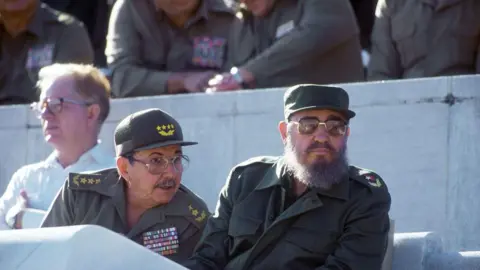
The practical implications of intensified US pressure on Cuba extend throughout the Caribbean region and beyond, affecting American relationships with other Latin American nations and global partners. Several countries have criticized renewed American antagonism toward Cuba, viewing it as counterproductive and reminiscent of failed policies from earlier Cold War decades. International observers note that the diplomatic opening between the United States and Cuba had begun yielding modest improvements in bilateral relations and had created space for potential cooperation on matters of mutual interest. The rupture of this nascent relationship squanders diplomatic capital and undermines American credibility in the region as a nation willing to pursue consistent, forward-looking foreign policy.
The question of whether current American pressure could ultimately precipitate military intervention remains speculative but cannot be entirely dismissed given historical precedent and inflammatory rhetoric. The Trump administration's assertion that peaceful resolution seems unlikely creates psychological and political space for more aggressive options to emerge as seemingly inevitable or necessary. Cuban warnings about manufactured justifications for intervention, while dismissed by some as propagandistic exaggeration, reflect rational concerns about how escalating pressures could cascade into more dangerous confrontations. The international community watches closely as this confrontation unfolds, aware that Caribbean stability could be affected by deteriorating American-Cuban relations.

Moving forward, the trajectory of American-Cuban relations under sustained Trump administration pressure remains uncertain and contingent on multiple unpredictable factors. Economic conditions within Cuba, internal political developments, regional diplomatic initiatives, and American domestic political changes could all influence how this confrontation evolves. Both Washington and Havana appear locked into rhetorical and policy positions that make compromise increasingly difficult, even as the costs of continued antagonism accumulate for both populations. The challenge ahead involves determining whether current tensions represent a temporary escalation or a fundamental realignment of American Caribbean policy that could affect regional stability for years to come.
Source: BBC News


