
Trump's Diplomatic Gamble: Halting Iran Strike for Negotiation or Escalation?

Examining Trump's decision to pause military action against Iran and the potential diplomatic or escalation implications behind his fluid approach to deadlines.
When President Trump ordered and then abruptly canceled a military strike against Iran, he was demonstrating his penchant for unpredictability - a characteristic that has become a hallmark of his foreign policy.
The president's commitment to deadlines is often fluid, but he tends to use them strategically to heighten the drama and increase his leverage in negotiations. In this case, the threat of a military strike may have been a calculated attempt to force Iran back to the negotiating table.
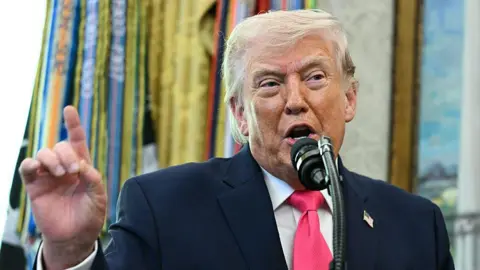
However, some analysts warn that this approach also risks inadvertent escalation, as Iran may feel compelled to respond forcefully to avoid appearing weak. The delicate balance between diplomacy and military force is a high-stakes game, and Trump's unpredictable style adds an additional layer of uncertainty.
"The president seems to be improvising and reacting to events rather than following a clear strategic plan," said Suzanne Maloney, an Iran expert at the Brookings Institution. "That increases the risks of miscalculation and unintended consequences."
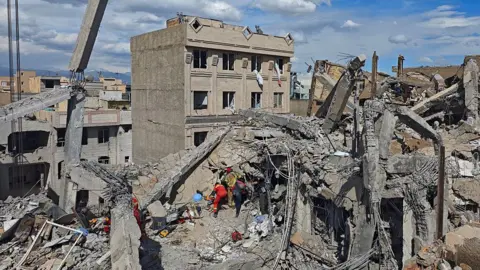
Trump's decision to call off the strike at the last minute surprised many, including some of his own advisers. It also highlighted the divisions within his administration over how to handle the escalating tensions with Iran.
While hawkish figures like national security adviser John Bolton have pushed for a more aggressive approach, others, such as Secretary of State Mike Pompeo, have advocated for a diplomatic solution. This internal discord could make it difficult to craft a coherent and consistent Iran policy.
In the end, Trump's decision to hold off on the strike may have been a tactical move to buy time and create an opening for diplomacy. But it also raises questions about his long-term strategy and the risk of unintended consequences from his unconventional approach.
Source: BBC News


