
Trump's 'Freedom Trucks': Mobile Museums Rewrite American History

Six traveling museums celebrate a selective version of U.S. history ahead of the nation's 250th anniversary. Explore what historians say about this controversial tribute.
As the United States approaches its 250th anniversary, President Trump has unveiled an ambitious initiative that has sparked considerable debate among historians and cultural critics. Six mobile museums, branded as the "Freedom Trucks," are traversing the nation with a mission to celebrate American heritage. However, many scholars argue that these traveling exhibitions present a curated narrative that emphasizes white, Christian perspectives while glossing over more complex and contested aspects of the nation's past.
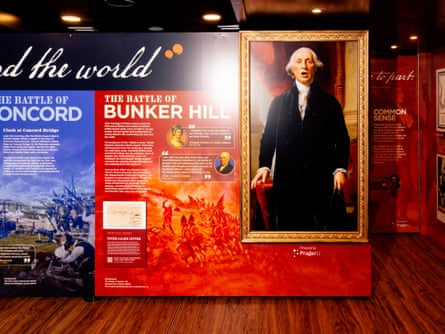
The centerpiece of each Freedom Truck exhibition is a striking interactive display featuring George Washington. As visitors enter the truck's main chamber, they are greeted by a life-size reproduction of the 1796 Lansdowne portrait, one of the most iconic images of America's founding father. Washington is rendered in dignified fashion, dressed in an elegant black velvet coat and white cravat, capturing him during his final year in office. The artwork itself is a masterpiece of 18th-century portraiture, embodying the ideals of leadership and statesmanship that the exhibition seeks to commemorate.
What distinguishes this exhibit from traditional museum displays is its use of cutting-edge interactive technology. As visitors approach the painting, the experience becomes decidedly unconventional. Through advanced digital animation and projection techniques, Washington's arm begins to move in welcoming gesture. The image's lips part as if to speak, and visitors are treated to an address from the nation's first president himself. This animatronic approach to historical education blurs the line between entertainment and instruction, creating what organizers describe as an immersive educational experience.
The animated Washington figure has become the flagship attraction of the traveling exhibition, drawing crowds and generating significant media attention. The technology employed represents a substantial investment in making history accessible and engaging to contemporary audiences, particularly younger visitors who might be more accustomed to interactive digital experiences. However, this theatrical presentation of America's founding narrative raises important questions about how we represent and interpret historical figures and events.

Critics have raised substantial concerns about the selective historical narrative presented throughout the Freedom Trucks. Historians point out that the exhibitions emphasize triumphalist interpretations of American history while minimizing or entirely omitting discussions of slavery, the displacement of Native Americans, and systemic inequalities that have defined much of the nation's trajectory. The focus on white Christian leadership and accomplishments, they argue, presents an incomplete and misleading picture of American society, particularly for students and families seeking to understand the full complexity of the nation's past.
The timing of these mobile museums—arriving just as America prepares to celebrate its 250th birthday—has added another layer of significance to the controversy. The exhibitions are part of a broader initiative to shape how Americans understand their national identity during a particularly fraught moment in the country's political and cultural landscape. Supporters of the Freedom Trucks argue that they represent a necessary corrective to what they perceive as overly critical or pessimistic interpretations of American history in mainstream educational institutions.
Beyond the Washington exhibit, each Freedom Truck contains additional displays and educational materials covering various aspects of American historical themes. The curated collections attempt to tell a story of American exceptionalism and progress, focusing on entrepreneurial achievements, military victories, and technological innovations. Religious imagery and references are woven throughout the exhibitions, reinforcing the Christian dimensions of the historical narrative being presented. This thematic approach has drawn particular scrutiny from scholars of American religious history, who note the complex and often contentious relationships between Christianity and American governance.
The logistics of operating six simultaneous traveling museums represent a considerable undertaking. Each truck is equipped with climate control systems to protect the artifacts and digital equipment, as well as audio-visual technology to enhance the visitor experience. The exhibitions travel on a predetermined route throughout the country, allowing communities across the nation to access the displays without the need to visit a centralized location. This decentralized approach increases accessibility but also raises questions about the consistency and quality of the educational experience across different venues.
Museum professionals have weighed in on the educational methodology employed by the Freedom Trucks, with mixed assessments. Some educators appreciate the effort to bring history to communities that may lack access to major museums and cultural institutions. Others worry that the interactive elements, while engaging, may prioritize spectacle over substance, potentially leading visitors to develop superficial understandings of complex historical processes and events. The question of whether technology-enhanced presentations can effectively communicate nuanced historical narratives remains contested within the field of public history.
The funding and organizational structure behind the Freedom Trucks reveals important information about the project's priorities and perspectives. The initiative has received substantial financial backing from conservative donors and organizations aligned with Trump's political movement. This funding source underscores the explicitly political nature of the enterprise, distinguishing it from independent historical organizations committed to evidence-based scholarship and balanced interpretation of the American past. The explicit connection between political ideology and historical representation raises fundamental questions about the proper role of public funding in shaping national narratives.
Teachers and educational administrators have begun responding to the Freedom Trucks, with some schools arranging field trips to the exhibitions while others have expressed reservations about the appropriateness of bringing politically-aligned historical content into classroom instruction. School districts must navigate questions about pedagogical integrity, parental concerns, and curriculum standards as they decide whether to incorporate the Freedom Trucks into their educational programming. These local-level debates reflect broader tensions about how American history should be taught and who should have authority over determining historical narratives.
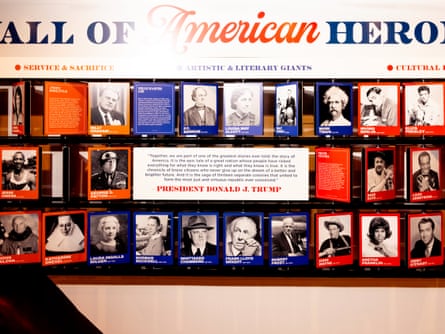
The controversy surrounding the Freedom Trucks connects to longstanding debates within American academia and public discourse about historical interpretation and national identity. The exhibitions represent one particular vision of how Americans should understand their past, a vision that emphasizes continuity, achievement, and exceptional development. Alternative interpretations, which emphasize rupture, inequality, and the need for critical examination of America's foundational injustices, receive minimal representation in the displays. This fundamental disagreement about the purpose and content of historical education will likely continue as the trucks travel throughout the nation.
Looking forward, the Freedom Trucks initiative will undoubtedly shape how millions of Americans, particularly those in less-populated regions without access to major museums, engage with and understand their national history. The immersive, technology-driven approach pioneered by these exhibitions may influence how other institutions present historical content. Whether this influence proves beneficial or problematic will depend largely on one's perspective regarding historical accuracy, pedagogical ethics, and the proper relationship between political movements and cultural institutions. As America approaches its 250th anniversary, the Freedom Trucks stand as a tangible symbol of ongoing contestations over how the nation should understand and commemorate its past.
Source: The Guardian


