
Trump's Gulf Crisis: Iran Tensions Escalate

Trump launches Project Freedom in Strait of Hormuz amid rising Iran tensions. Over 800 ships stranded as conflict threatens regional stability and Congress battle looms.
The geopolitical landscape of the Middle East has shifted dramatically following Donald Trump's controversial announcement of Project Freedom, an initiative designed to establish a secure shipping corridor through the strategically vital Strait of Hormuz. This Monday launch represents a significant escalation in tensions between the United States and Iran, bringing the volatile region perilously close to the precipice of comprehensive military conflict. The initiative has captured international attention as shipping companies, governments, and military officials grapple with the implications of this bold and contentious strategy.
The Strait of Hormuz, one of the world's most critical maritime chokepoints, has become ground zero for escalating US-Iran tensions as Trump's administration seeks to maintain freedom of navigation through the waterway. Approximately 800 vessels carrying roughly 20,000 crew members currently remain trapped in the region, unable to proceed safely through the contested waters. The humanitarian dimension of this crisis cannot be overstated, as these stranded seafarers and their employers face mounting economic losses and logistical nightmares. The blockade has created uncertainty throughout global shipping routes, potentially affecting supply chains and energy markets worldwide.
Trump's aggressive rhetoric has accompanied the military operation, with the former president threatening to erase Iran from the geopolitical map with inflammatory statements about annihilating the nation if it poses further threats. This bellicose language reflects the hardline stance his administration has adopted toward Tehran, standing in stark contrast to more diplomatic approaches favored by international observers and some regional partners. The threatening posture has raised alarm bells among diplomatic circles, environmental organizations concerned about potential conflict in waters critical to global energy supplies, and humanitarian groups worried about civilian casualties.
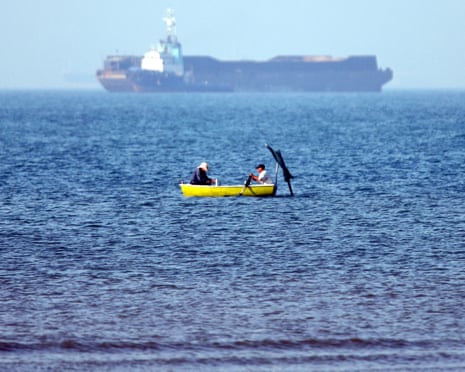
According to reports from US Central Command (Centcom), two American-flagged merchant vessels have purportedly successfully transited the strait under the protection of the new initiative. However, this claim remains hotly disputed, with Iranian officials flatly denying that any vessels have successfully navigated the passage without incident. The contradiction highlights the fog of war mentality surrounding current operations, where accurate information is scarce and both sides have strong incentives to shape the narrative. Late Monday evening, the Danish shipping giant Maersk announced that the Alliance Fairfax, a US-flagged vehicle carrier, had managed to exit the Persian Gulf region, though confirmation of this passage remains contested.
Shipping industry experts and maritime analysts have expressed deep skepticism regarding the long-term viability and safety of Trump's proposed corridor through the Strait of Hormuz. Insurance companies specializing in marine coverage have raised premiums substantially, reflecting the heightened risk profile of transiting the region. Veteran shipping consultants argue that military escorts alone cannot guarantee safe passage when the underlying political tensions remain unresolved and both sides continue military posturing. The economic calculus for shipping companies has shifted dramatically, with many reconsidering their route options and evaluating alternatives despite potential delays and increased costs.
The humanitarian stakes of this Middle East conflict extend far beyond the immediate shipping crisis. Crew members stranded aboard vessels in the region face uncertain prospects for resupply, medical emergencies, and psychological strain. International maritime organizations have called for humanitarian corridors to allow essential provisions and personnel changes, but military operations have complicated these efforts. Families of stranded seafarers have taken to social media and news outlets demanding urgent intervention from their respective governments to secure safe passage and resolution of the underlying dispute.
Meanwhile, the unfolding crisis carries significant implications for the broader American political landscape, particularly as the battle for Congressional seats intensifies heading into the upcoming election cycle. Red states across the nation, including Alabama and Tennessee, are beginning to reassess their political strategies in light of the escalating international tensions. Voters in these traditionally conservative regions are grappling with competing concerns: strong national security responses to Iranian aggression versus economic worries about potential military escalation and its costs to American households and businesses.

Republican candidates are finding the Iran-US conflict a complicated issue to navigate during their campaigns. While some embrace Trump's aggressive posture as necessary strength against a hostile regime, others worry about the economic fallout and regional destabilization that could result from further military escalation. Democratic candidates, conversely, are criticizing the approach as reckless and destabilizing, arguing that diplomatic channels should be pursued alongside military presence. The political debate reflects deeper divisions within American society about the appropriate balance between military power projection and diplomatic engagement in the Middle East.
Energy markets have reacted sharply to developments in the Strait of Hormuz, as crude oil prices have experienced volatility in response to ongoing tensions and supply disruption fears. Any sustained conflict in this region could dramatically impact global petroleum supplies, given that a significant percentage of the world's oil transits through these narrow waters daily. Financial analysts are monitoring the situation closely, recognizing that regional instability could trigger broader economic consequences affecting inflation, transportation costs, and consumer prices across the United States and internationally.
International diplomatic efforts remain in flux as various nations attempt to mediate the deepening crisis. European allies have expressed concern about the escalatory trajectory, while regional partners like the United Arab Emirates and Saudi Arabia navigate their own complex relationships with both Washington and Tehran. The United Nations has called for restraint from all parties, though enforcement mechanisms remain limited when a major military power is actively engaged in assertive operations. Strait of Hormuz security has become a primary concern for maritime authorities and government officials worldwide.
This developing situation underscores the interconnected nature of global security challenges, where regional conflicts can have immediate implications for domestic politics, international economics, and humanitarian welfare. The coming weeks and months will likely determine whether Project Freedom represents a temporary military operation or the beginning of a more sustained confrontation between American and Iranian forces. As this story continues to unfold, stakeholders at every level—from stranded seafarers to political strategists to energy traders—remain focused on developments in this volatile corner of the world.
Citizens and policymakers alike are urged to monitor official updates through credible news sources and government statements, as this remains an actively developing situation with significant implications for regional stability and global security. The outcomes of these current tensions will reverberate through political campaigns, international relations, and economic markets for months to come, making it essential to stay informed about the latest developments and expert analysis surrounding this critical geopolitical standoff.
Source: The Guardian


