
Trump's Iran Strategy Shifts Amid Gulf Crisis

Trump pivots foreign policy again as tensions escalate in Iran standoff. New humanitarian proposal faces skepticism amid rising casualties in Middle East.
The landscape of international diplomacy shifted dramatically once more as the Trump administration unveiled yet another strategic pivot in its increasingly complex relationship with Iran. What began as a weekend focused on military rhetoric and demands for accountability has transformed into a more nuanced approach centered on humanitarian concerns and regional stability. The rapid succession of policy announcements underscores the volatile nature of current Trump foreign policy regarding the Middle East, where stakes remain extraordinarily high and miscalculation could prove catastrophic.
Throughout the weekend, the administration maintained an aggressive posture, with Trump himself declaring that Iran had not yet "paid a big enough price" for its regional actions and perceived provocations. This bellicose language set the tone for what many observers feared could escalate into direct military confrontation. The rhetoric reflected deep frustration with Iran's continued activities in the region and its perceived defiance of American interests, particularly regarding shipping lanes and strategic resources critical to global commerce.
However, by Tuesday, the administration's messaging had undergone a significant transformation. The announcement of Project Freedom represented a marked departure from the weekend's war-focused rhetoric, instead positioning itself as a carefully crafted humanitarian initiative. According to administration officials, the program was designed to facilitate the safe passage of commercial vessels and their crews through treacherous waters, allowing trapped maritime traffic to escape the dangerous conditions that had developed throughout the region.

The timing and framing of Project Freedom suggested multiple strategic objectives beyond its stated humanitarian purposes. The initiative appeared specifically calibrated to challenge and ultimately diminish Iran's de facto control over the Strait of Hormuz, one of the world's most critical chokepoints for global energy supplies. By positioning the effort as a rescue operation focused on human welfare rather than geopolitical competition, the administration sought to gain international support while pursuing distinctly strategic goals that could shift the balance of power in one of the world's most volatile regions.
Iranian officials wasted little time in dismissing the proposal, characterizing it dismissively as nothing more than a "wishlist" devoid of serious diplomatic substance or realistic implementation mechanisms. This immediate rejection highlighted the profound mistrust between Washington and Tehran, where years of escalating tensions and failed negotiations have created an environment of mutual suspicion and competing interests. The Iranian response suggested that whatever humanitarian framing the American proposal carried, Tehran viewed it primarily as a continuation of existing pressure tactics under a different guise.
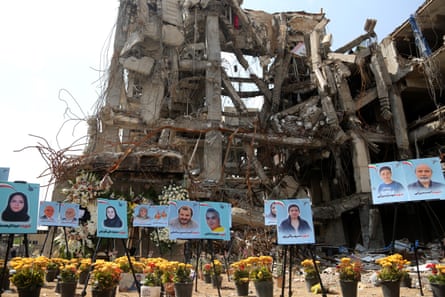
The human cost of the ongoing crisis has become increasingly difficult to ignore as casualty figures mount. With approximately 5,000 deaths already attributed to the escalating tensions and military actions in the region, the humanitarian stakes of the Iran-US conflict have become starkly apparent. These losses represent not merely abstract statistics but individual tragedies affecting families, communities, and entire populations across the Middle East who have been caught in the crossfire of great power competition and regional rivalry.
The mounting death toll adds considerable moral weight to the humanitarian framing of Project Freedom, though skeptics argue that the proposal may be too little, too late given the trajectory of escalation that preceded it. International observers and humanitarian organizations have expressed concerns that any initiative launched at this stage carries with it the baggage of previous military actions and aggressive posturing that have poisoned the diplomatic atmosphere. The challenge for American policymakers lies in reversing the momentum of escalation while maintaining credibility with both allies and adversaries who have watched the administration's rapid policy swings with considerable alarm.
The fundamental question underlying all these diplomatic maneuverings concerns whether the latest proposal represents a genuine shift toward de-escalation or merely tactical repositioning designed to achieve the same strategic objectives through different means. White House officials have attempted to frame Project Freedom as offering Iran a face-saving exit from the current crisis while simultaneously reducing Tehran's ability to threaten regional shipping and American interests. However, the proposal's reception in Tehran suggests that Iranian decision-makers view the offering with deep skepticism, questioning whether American promises and humanitarian gestures can be trusted given the recent pattern of aggressive American actions.
The broader context of American Middle East policy under the current administration reveals a pattern of ambitious proposals frequently followed by dramatic reversals or significant pivots. This unpredictability has created considerable uncertainty among regional allies who question whether American commitments will remain stable or shift with the winds of domestic political considerations and the president's evolving strategic assessments. The stakes involved in these policy oscillations extend far beyond abstract diplomatic concerns, with real consequences for regional stability, global energy markets, and the countless civilians whose lives depend on peaceful resolution of these conflicts.
International mediators and concerned global powers have stepped up their efforts to facilitate dialogue between American and Iranian representatives, recognizing that direct military confrontation could spiral into a catastrophic conflict with implications extending well beyond the Middle East. European allies, while maintaining formal support for American positions, have expressed anxiety about the trajectory of events and pushed quietly for any diplomatic overture that might reduce tensions. Russia and China, observing from their own strategic vantage points, have made clear their preference for stability over escalation, though neither has actively intervened in ways that might constrain either Washington or Tehran.

The coming days and weeks will likely prove critical in determining whether Project Freedom represents a genuine pathway toward de-escalation or merely another temporary pause in an escalatory spiral. Iranian decision-makers must weigh the potential benefits of accepting the humanitarian proposal against their domestic political constraints and regional strategic interests. Similarly, American policymakers must navigate the delicate balance between maintaining pressure on Iran while simultaneously offering face-saving measures that might create space for meaningful negotiations and eventual resolution of the underlying disputes.
What appears clear is that the current trajectory, marked by alternating shows of force and hastily assembled diplomatic initiatives, remains unsustainable over the long term. The human costs continue mounting, economic uncertainty roils global markets, and the risk of miscalculation grows with each passing day of heightened tension. Whether the administration's latest pivot represents a turning point toward more stable and sustainable policies, or merely another temporary adjustment before renewed escalation, will become apparent only as events unfold in the coming weeks and Iranian leaders respond to Project Freedom and whatever diplomatic channels might accompany it.
Source: The Guardian


