
Trump's Midnight Social Media Rampage

President posts 50+ times in hours attacking Obama, NY Times, and calling for Democratic prosecution amid Iran tensions.
In a dramatic display of late-night digital activism, President Trump engaged in an unprecedented social media spree that saw him post over 50 times within a compressed three-hour window spanning from Monday evening through the early morning hours of Tuesday. The barrage of posts revealed a president deeply engaged with his critics and detractors, utilizing his preferred platforms to communicate directly with supporters while bypassing traditional media filters.
The late-night social media tirade targeted numerous adversaries across the political spectrum, with particular focus directed at former President Barack Obama, whom Trump accused of various misdeeds using claims that fact-checkers have repeatedly disputed. Alongside attacks on his Democratic predecessors, the president also launched broadsides against established media institutions, specifically the New York Times, a publication he has frequently criticized for what he characterizes as unfair coverage of his administration and personal affairs.
Among the more eyebrow-raising posts were images that appeared to have been digitally manipulated to show Trump featured on currency, including a controversial depiction of himself on the $100 bill. These posts, while seemingly humorous in intent to some observers, underscored the unconventional nature of Trump's communication strategy and his willingness to embrace internet culture and meme-adjacent content as legitimate political messaging.
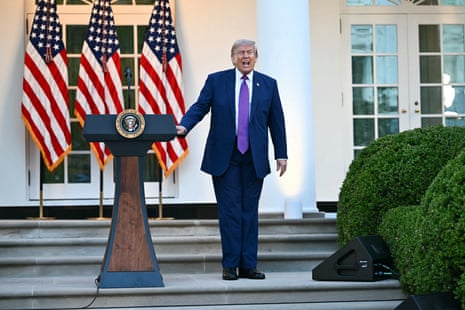
The timing of this social media outburst proved particularly notable given the geopolitical context in which it occurred. Just hours before embarking on a high-stakes diplomatic trip to China, where he was scheduled to hold critical talks with Xi Jinping regarding trade negotiations, technology cooperation, and regional security concerns, the president found time to engage in this extended digital commentary. The juxtaposition raised questions about presidential priorities and the demands on executive attention during a period of significant international tension.
Trump's posts during this period also featured renewed calls for the prosecution of Democratic opponents, a recurring theme in his political messaging. These demands suggested a desire to use the machinery of government to pursue legal action against political rivals, a practice that civil liberties advocates and constitutional scholars have warned could set dangerous precedents for the weaponization of the justice system along partisan lines.
The posts also included criticism directed at members of the Supreme Court whom Trump himself had appointed during his previous administration. This attack on his own judicial appointees demonstrated the president's willingness to criticize any institution or individual, regardless of their history with him, if they did not align with his current policy preferences or political objectives on a given issue.
The broader context of this social media activity involved ongoing Iran war tensions and military developments in the Middle East that had dominated news cycles and policy discussions within the Trump administration. Reports of escalating hostilities and strategic maneuvering in the region had created a heightened security environment that typically demands careful executive communication and measured diplomatic responses.
Political analysts and communication experts offered varying interpretations of Trump's social media strategy. Some viewed the posts as authentic expressions of the president's feelings and concerns, suggesting that his use of social media represented a direct connection with his political base that circumvented what he perceived as hostile or unfair traditional media coverage. Others expressed concern about the appropriateness of presidential conduct in the digital age, questioning whether such extensive personal posting by a sitting chief executive set concerning precedents for decorum and professional standards.
The Democratic Party and various advocacy groups quickly responded to the posts, characterizing them as inappropriate, inflammatory, and detrimental to national unity and democratic norms. Democratic operatives pointed to the false accusations against former President Obama as particularly egregious, noting that the claims had been thoroughly debunked by independent fact-checking organizations and investigative journalists.
The incident also highlighted ongoing debates about platform responsibility regarding high-profile political figures. Social media companies have faced persistent criticism from multiple directions—some arguing they censor conservative voices too aggressively, while others contend that platform moderation policies do not adequately address false or inflammatory content regardless of the source.
As Trump prepared for his journey to China and the scheduled meetings with Xi Jinping, questions lingered about the potential impact of his digital communications on diplomatic relations and international perceptions of American leadership. The contrast between the informal, sometimes chaotic nature of his social media presence and the gravitas typically associated with presidential diplomacy underscored the evolving nature of political communication in the contemporary digital landscape.
The Iran conflict situation continued to develop in the background, with military commanders and diplomatic officials working to manage the ongoing tensions while the president simultaneously managed his online presence. This multitasking approach to executive responsibility reflected Trump's consistent belief that he could effectively juggle multiple demands on his attention, though critics questioned whether this approach served the nation's interests during such a delicate geopolitical period.
The episode served as another reminder of how dramatically presidential communication has transformed in the digital age, with social media platforms now serving as primary channels for executive messaging rather than traditional press conferences or formal statements filtered through official spokespersons. This direct-to-public communication model, while offering certain advantages in terms of immediacy and authenticity, has also generated questions about message discipline and the broader implications for democratic discourse when chief executives engage in real-time political argumentation on public platforms.
Source: The Guardian


