
Trump's Project Freedom: Strait of Hormuz Operation Paused

President Trump announces pause on controversial 'Project Freedom' military operation in the Strait of Hormuz. Details on the strategic initiative revealed.
President Donald Trump has announced a temporary pause on what officials are calling 'Project Freedom', a significant military operation that commenced on Monday in one of the world's most strategically critical maritime corridors. The initiative, centered around the Strait of Hormuz, represents a substantial shift in U.S. military strategy in the Middle East and has already begun generating considerable debate among policymakers, international observers, and military analysts worldwide.
The operation initially launched with considerable momentum, marking what administration officials described as a comprehensive reassessment of American military presence and engagement in the Persian Gulf region. However, the decision to pause the initiative just days after its commencement suggests either a tactical adjustment or a response to unforeseen circumstances that emerged during the operation's opening phase. The timing and nature of this pause have left many questioning the underlying objectives and potential implications for regional stability.
The Strait of Hormuz remains one of the most vital chokepoints for global energy security, with approximately one-third of the world's traded petroleum passing through its narrow waters annually. Control and stability in this region have long been paramount concerns for successive U.S. administrations, making any military operation there inherently significant for both regional and global markets. Trump's initiative appears designed to assert American influence and ensure freedom of navigation in these contested waters.
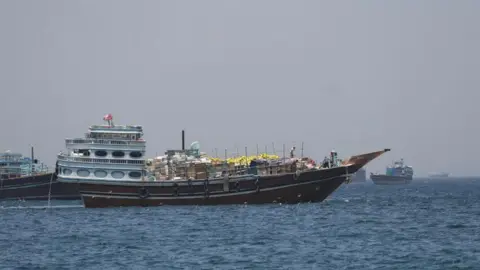
While the Trump administration has characterized 'Project Freedom' as a necessary defensive measure to protect international commerce and maintain regional balance, critics have raised concerns about the potential for escalation. The operation's exact parameters remain somewhat unclear, though administration officials have suggested it involves enhanced naval surveillance, coordinated military positioning, and possibly increased diplomatic engagement with regional partners. These elements combine to form what the administration views as a comprehensive approach to security in the gulf.
The pause announcement has sparked considerable speculation about what prompted the temporary halt. Some analysts suggest it may reflect diplomatic negotiations with regional actors, while others propose it could indicate technical adjustments or military coordination challenges that require resolution before resumption. The lack of detailed public explanation from the Trump administration has only intensified this speculation, with various stakeholders offering competing interpretations of the development.
Strategic analysts point to the complexity of operating in the Strait of Hormuz as a potential factor in the operational pause. The waterway's geography, combined with the presence of multiple military and non-state actors, creates an environment requiring extraordinary precision in planning and execution. Any military operation in such a densely trafficked and politically sensitive area demands meticulous coordination to avoid unintended consequences that could disrupt global energy markets or trigger broader regional conflicts.
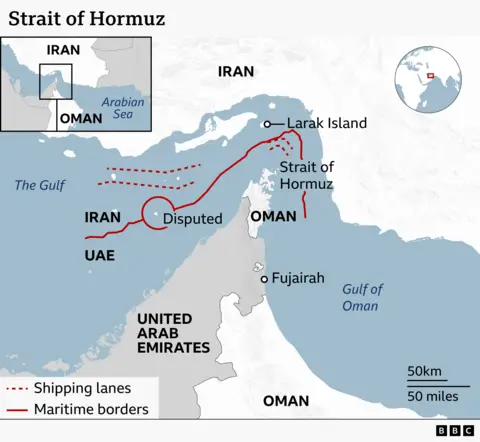
International observers have paid close attention to how neighboring countries and regional powers respond to Project Freedom. Iran, whose coastline borders the Strait of Hormuz, has historically viewed American military operations in the area with suspicion, viewing them as potential threats to its sovereignty and security interests. The United Arab Emirates and Saudi Arabia, meanwhile, have generally supported American security initiatives in the gulf as counterbalances to Iranian influence and as protectors of their own commercial interests.
The broader geopolitical context makes Trump's initiative particularly consequential. Tensions between the United States and Iran have fluctuated considerably over recent years, with periods of increased military posturing interspersed with diplomatic engagement attempts. The timing of Project Freedom within this broader pattern of U.S.-Iran relations suggests the operation may be intended to signal American resolve and commitment to maintaining stability in a region where numerous countries have significant interests at stake.
Economic implications of any sustained disruption to shipping through the Strait of Hormuz extend far beyond the Middle East region itself. Global oil markets, already sensitive to supply concerns, would face immediate upward pressure on prices if commerce through the waterway were significantly impeded. This economic vulnerability explains why the Trump administration has framed its operation in terms of protecting freedom of navigation and ensuring that international commerce can flow unimpeded through the critical passageway.

The military strategy underlying Project Freedom appears to combine several elements commonly employed in modern naval operations. These likely include real-time intelligence gathering, coordination with allied naval forces, enhanced surveillance capabilities using advanced technology, and positioning of rapid-response units capable of addressing potential threats. Such an integrated approach reflects lessons learned from decades of American military engagement in the Middle East and the Persian Gulf specifically.
Administration officials have indicated that the pause may be temporary and that operations could resume in modified form once certain conditions are met or coordination efforts are completed. This suggests Project Freedom represents not a one-time initiative but rather part of a longer-term strategic commitment to the region. The exact duration of the pause and the conditions for resumption remain undisclosed, leaving room for ongoing speculation and analysis among defense and policy experts.
Congressional response to Project Freedom has been mixed, with some lawmakers expressing support for enhanced American military presence in the gulf while others question the necessity and potential costs of the operation. These debates reflect broader disagreements within American politics about the appropriate scope and scale of U.S. military commitments in the Middle East. The pause in operations may provide an opportunity for more extensive congressional review and debate about the initiative's strategic rationale and long-term implications.
Looking forward, the resumption or modification of Project Freedom will likely depend on several interconnected factors including diplomatic developments, military readiness assessments, and evolving regional circumstances. Trump's willingness to pause the operation relatively quickly suggests a degree of strategic flexibility that may characterize future decisions regarding American military engagement in the region. Whether this flexibility translates into a more restrained or more assertive overall approach to Middle East policy remains an open question that observers across the political spectrum continue to debate.
Source: BBC News


