
Trump's Strait of Hormuz Plan Reignites Middle East Tensions

Trump's 'Project Freedom' initiative to reopen the Strait of Hormuz sparked Iranian retaliation, threatening the fragile US-Iran ceasefire and destabilizing the Middle East once more.
Tensions in the Middle East have escalated dramatically following a controversial US initiative aimed at restoring maritime passage through one of the world's most strategically vital waterways. The announcement of Project Freedom, spearheaded by the Trump administration, sought to assist thousands of seafarers whose vessels remain trapped in the Persian Gulf due to ongoing regional conflict. However, what was presented as a humanitarian intervention quickly transformed into a flashpoint for renewed hostilities, threatening to unravel the delicate ceasefire that has barely held between Washington and Tehran.
The Strait of Hormuz has long served as a critical chokepoint for global energy supplies, with approximately one-fifth of the world's oil passing through its narrow channels daily. When shipping lanes became congested and dangerous due to the escalating conflict, the Trump administration recognized both the humanitarian crisis affecting trapped mariners and the economic ramifications for international commerce. The decision to launch Project Freedom represented an ambitious attempt to restore order to international shipping, yet it proved deeply miscalculated in its political implications.
From Iran's perspective, the initiative amounted to nothing more than a provocative assertion of American dominance in a region where Tehran has worked meticulously to consolidate its influence. Rather than viewing the effort as a neutral logistical endeavor, Iranian officials interpreted it as a calculated move to diminish their strategic leverage and undermine their control over the passageway. This fundamental disagreement over intentions and implications set the stage for a dangerous escalation that neither side appeared prepared to manage effectively.
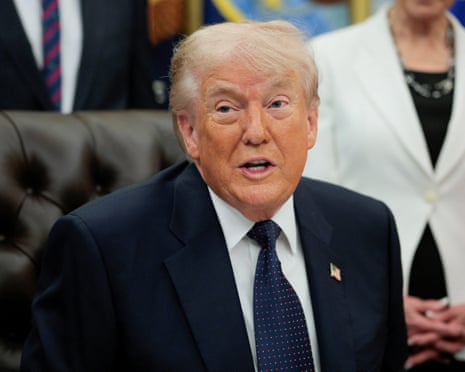
The fragile ceasefire, which had held through months of careful diplomacy and quiet negotiations, immediately came under severe strain as Iran retaliation commenced. Military commanders ordered their forces to resume operations in the region, signaling their refusal to accept any American-led initiative that might diminish Iranian authority. Sporadic skirmishes erupted as Iranian naval and air units moved to reassert control over key maritime zones, transforming what had been relative calm into renewed conflict.
These renewed hostilities created a cascade of secondary effects that rippled throughout the global economy and international relations. The Middle East conflict impact extended far beyond military considerations, threatening to destabilize shipping routes that connect Europe, Asia, and the Americas. International maritime organizations reported increased hazards for commercial vessels, leading shipping companies to reassess their operational strategies and reroute cargo through alternative, albeit longer and more expensive, passages.
The broader geopolitical implications of this escalation cannot be overstated. The US-Iran tensions that many observers believed had finally begun to stabilize now appeared poised to enter a new and potentially more dangerous phase. The Trump administration's gambit revealed a fundamental misunderstanding of how Iranian leadership evaluates foreign policy initiatives, particularly those that might affect their regional standing or strategic capabilities. What was intended as a pragmatic solution to a humanitarian problem became instead a catalyst for renewed confrontation.
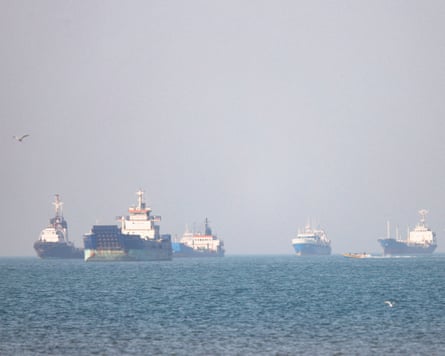
Observers of Middle Eastern affairs noted that the timing of Project Freedom appeared particularly ill-conceived given the delicate state of regional stability. Diplomatic channels that had quietly worked to maintain the ceasefire found themselves overwhelmed by military developments on the ground. Intelligence assessments suggested that Iranian leadership felt compelled to respond decisively to avoid appearing weak in the eyes of their domestic constituencies and regional allies, creating a pressure cooker environment where miscalculation became increasingly likely.
The immediate consequences of the renewed fighting extended into multiple domains beyond pure military confrontation. Commercial aviation experienced unprecedented disruption as airline operations faced mounting pressures from both geopolitical instability and skyrocketing fuel costs. Airlines announced significant schedule reductions, with approximately two million seats removed from monthly flight schedules as carriers struggled to adapt to soaring jet fuel prices exacerbated by the renewed Middle East tensions. This cascading impact demonstrated how regional conflicts rapidly metastasize into global economic disruptions affecting everyday travelers and shippers worldwide.
The situation also highlighted broader vulnerabilities in international maritime governance and crisis management mechanisms. With thousands of sailors trapped aboard vessels unable to safely transit the strait, humanitarian concerns intensified exponentially. Maritime organizations issued urgent appeals for de-escalation, warning that further military operations threatened the safety of commercial crews and the viability of critical supply chains that nations worldwide depend upon for essential goods.

Political leaders across the globe grappled with the implications of the renewed conflict. European nations expressed deep concern about energy security, while Asian economies worried about supply chain disruptions. The United Nations Security Council faced renewed calls for emergency sessions to address the crisis, though permanent members' divergent interests complicated any unified response. Meanwhile, diplomatic efforts to restore the ceasefire intensified behind the scenes, even as military tensions continued escalating on the water.
The Trump administration faced criticism from both international allies and domestic observers who questioned the strategic wisdom of the Strait of Hormuz initiative. Some analysts suggested that insufficient groundwork had preceded the announcement, particularly regarding consultations with key regional players and international partners. The apparent surprise that greeted Iran's hostile response suggested that policy planners had underestimated Tehran's determination to maintain its regional prerogatives and resist external efforts to reshape the maritime status quo.
As this dangerous chapter in Middle East relations unfolds, fundamental questions emerge about the nature of conflict de-escalation, the role of humanitarian concerns in great power competition, and the fragility of ceasefires that lack deep institutional foundations. The strait of Hormuz remains as strategically vital and politically volatile as ever, and the brief American attempt to solve one problem may have inadvertently created far more serious complications for regional and global stability.

The international community watches anxiously as diplomatic channels work overtime to prevent further deterioration of an already precarious situation. What began as a humanitarian initiative has become a case study in how even well-intentioned policy actions can backfire spectacularly when they fail to account for the complex political calculations and strategic imperatives that animate decision-making among regional powers. The coming weeks will prove critical in determining whether cooler heads can prevail and restore the fragile ceasefire, or whether renewed hostilities signal the beginning of a dangerous new chapter in the long-running US-Iran rivalry.


